
UTV Batteries
Lightweight lithium power. Instant starts. Built to handle harsh terrain and heavy loads.

Why Stock Batteries Fail
A bulky or aging battery slows down your UTV.
Low cranking power makes cold starts unreliable.
Lead-acid packs struggle with vibration, heat and long storage.
Lithium UTV batteries fix these issues: stronger cranking amps, lighter construction, stable voltage under load and better durability across all conditions.
Important: These batteries are designed for UTV and off-road applications. Always check voltage, CCA and compatibility before installation.
Built for Power, Durability and Long Days on the Trail

Lightweight and Compact
Up to 70% lighter than traditional packs, improving handling, suspension response and overall performance.

Instant Start Power
High-cranking lithium cells deliver fast, reliable engine starts — even in cold weather or after long storage.

Stronger Voltage Stability
Lithium maintains consistent output under load, so lights, winches, power steering and accessories run smoothly.

Vibration-Resistant Construction
Reinforced casings and stable cell structure handle rough terrain, heavy hits and constant vibration.

Safe, Long-Life Chemistry
High-density lithium chemistries deliver long cycle life with minimal self-discharge.
The Right Battery for Your UTV
Why Lithium Outperforms Standard E-MTB Batteries
Buy nowUTVs demand strong starting performance and voltage stability under continuous vibration. Lithium packs deliver higher cold-cranking amps, better thermal control and a significantly longer lifespan.
Cranking Power:
Lead-acid: inconsistent under cold conditions | Lithium: strong CCA and fast ignition
Weight:
Lead-acid heavier | Lithium up to 70% lighter
Cycle Life:
Lead-acid ~300 cycles | Lithium 800–1,000+ cycles
Thermal Stability:
Lead-acid heat up quickly | Lithium remains stable under load
Self-Discharge:
Lead-acid 5–15% per month | Lithium <3%
Lithium batteries deliver predictable performance, even when powering accessories like winches, lights and electronics.
Proven in Demanding Off-Road Conditions
Super B batteries are trusted in UTV, side-by-side and off-road racing environments worldwide.
✓ Tested in desert rallies, mud tracks and mountain trails
✓ Built to handle extreme vibration and constant impacts
✓ Reliable starting power in cold and hot climates
✓ Trusted by riders, racers and field operators

“Instant start, no voltage drop, and far better durability on rough terrain.”
UTV Rider & Field Test Team

Certifications & Warranty
✓ Made in Europe (Netherlands)
✓ ISO 9001 Certified
✓ Safe LiFePO₄ / Li-ion Chemistry
✓ UN38.3 Transport Approved
✓ Reinforced enduro-grade casings
✓ 3-Year Manufacturer Warranty
Why Super B for UTV batteries?
For nearly two decades, Super B has developed high-performance lithium batteries engineered for off-road use. Our UTV batteries combine high cranking power with exceptional durability and long cycle life.
High-density cells. Efficient thermal design. Shock-resistant construction. Designed to perform in the harshest terrain.
Trusted by riders who demand reliable starts and consistent power.
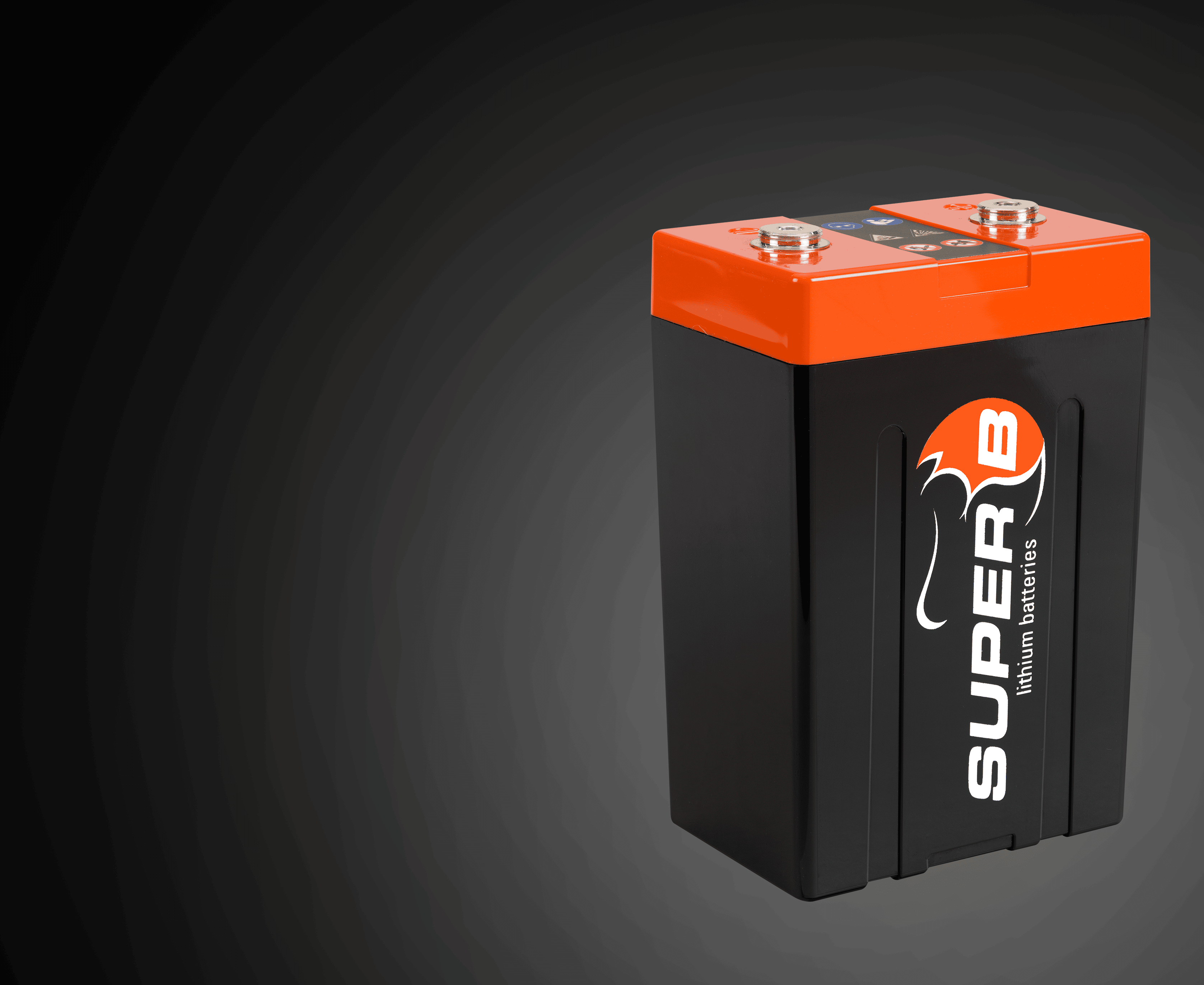
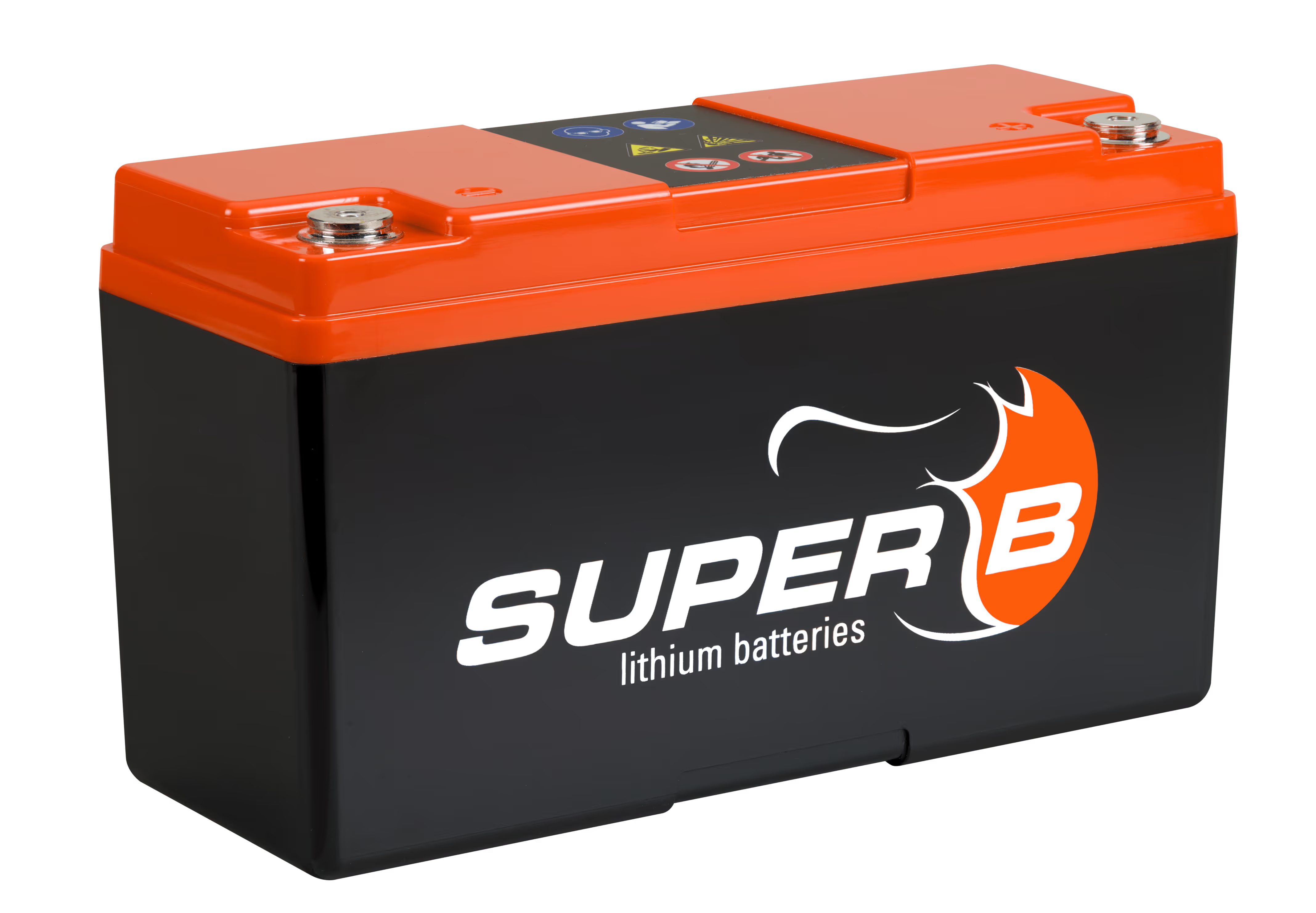
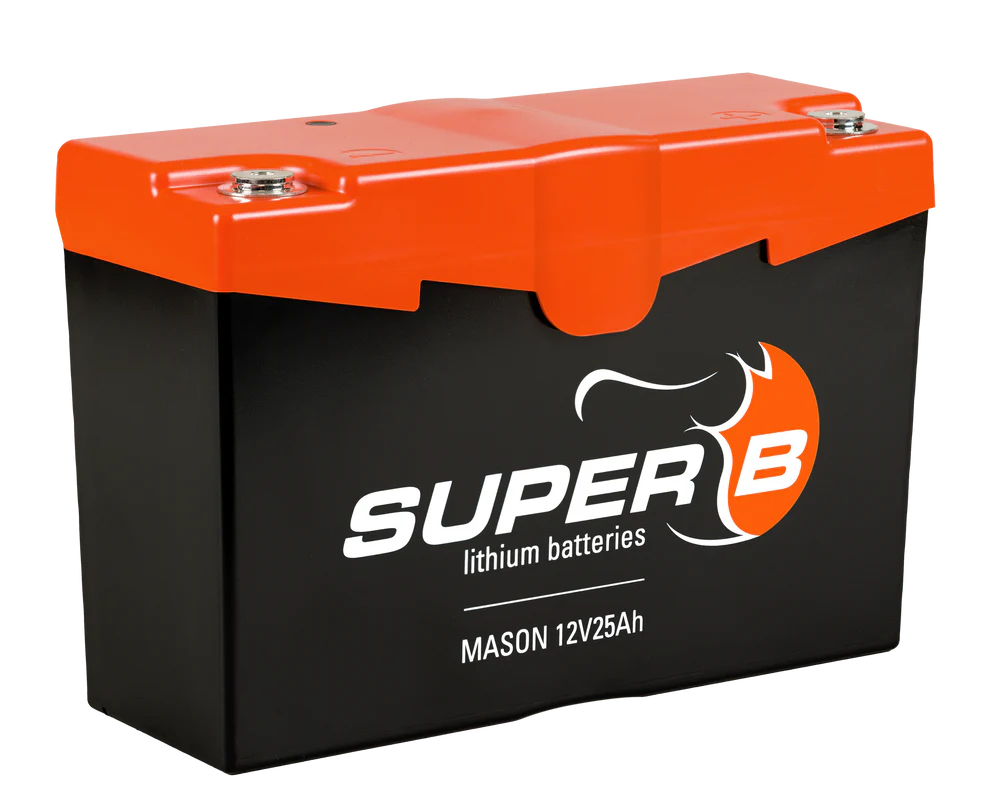
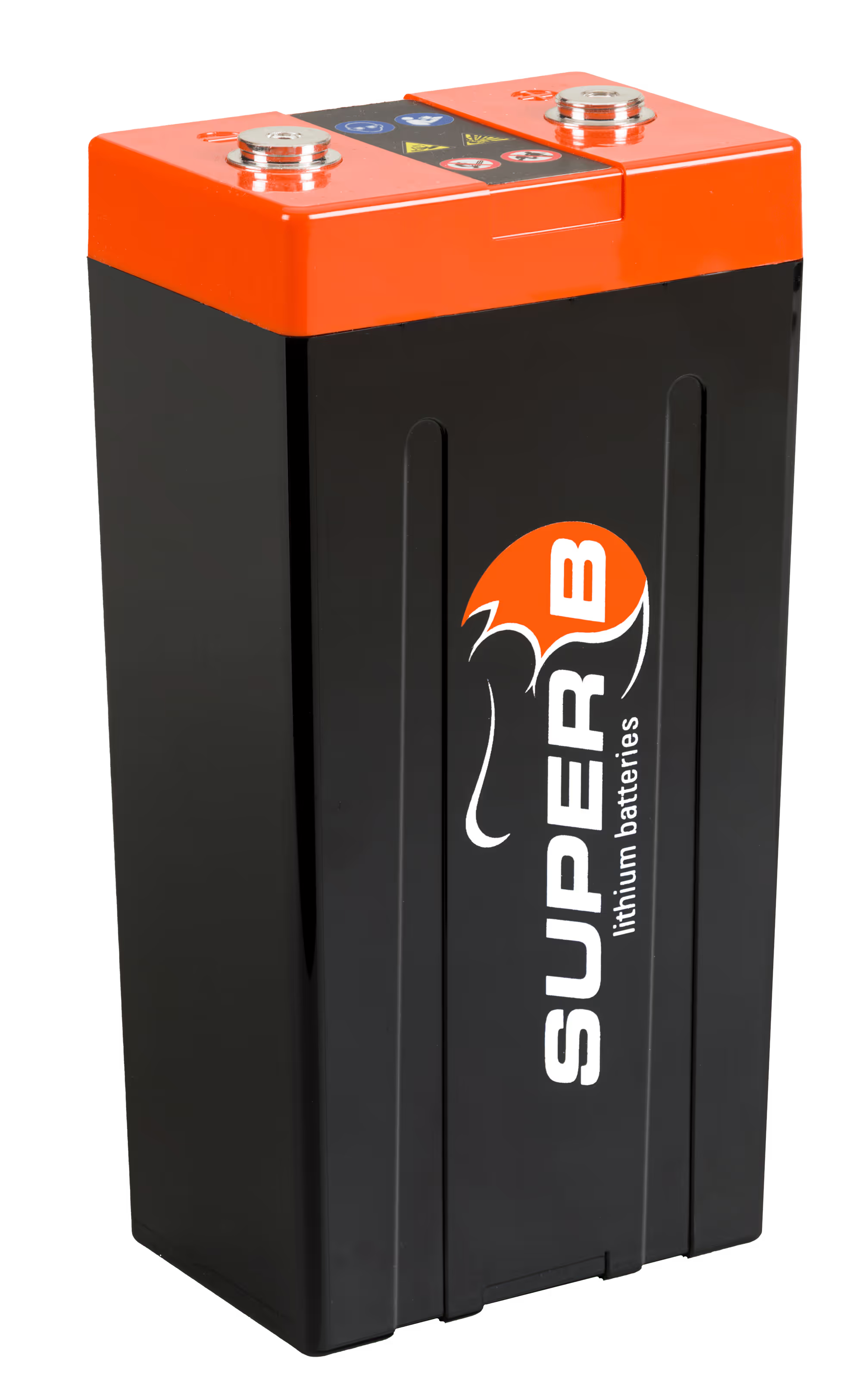
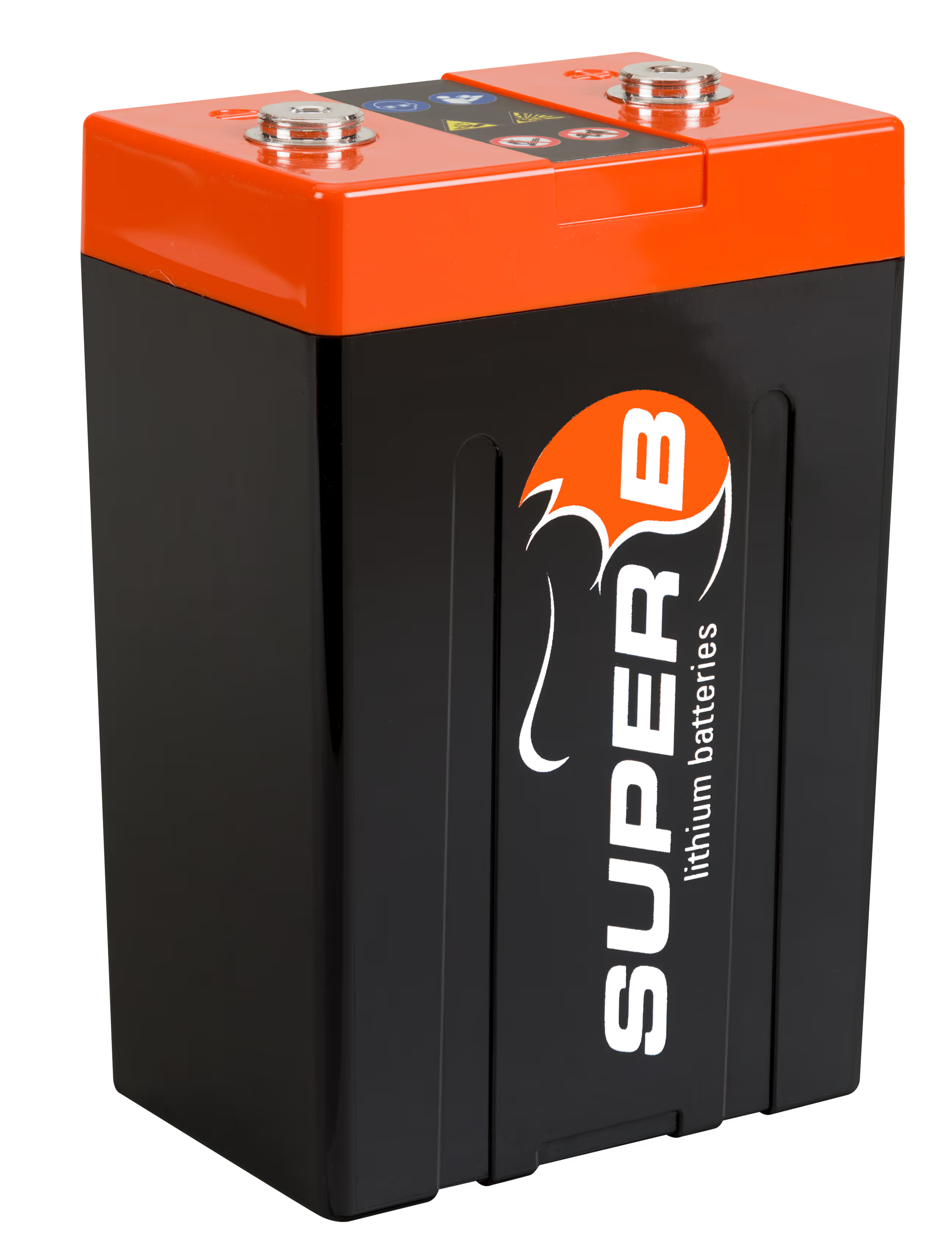
Lightweight, compact and ideal for UTVs.
No BMS for maximum cranking performance and minimal weight.

Higher capacity with integrated BMS protection.
Larger format for riders who prioritise extended runtime and added system safety.
Need Help Finding Your Battery?
Not sure which capacity or CCA rating fits your UTV?
Our configurator matches your vehicle make, model and usage to the correct Super B battery.
Our support team can assist with:
– Compatibility checks
– CCA and capacity selection
– Installation guidance
– Power requirements for accessories (winches, lights, EPS)
In-Depth Guide: utv batteries
UTVs demand far more from a battery than most riders realise. Heavy chassis weight, high-torque engines, long periods of storage and rough, unpredictable terrain all place continuous strain on the electrical system. A UTV battery isn’t just there to start the engine — it has to hold voltage under load, deliver strong bursts of current when accessories are running and remain stable even after weeks of inactivity. Choosing the right UTV battery can dramatically change how your vehicle behaves, especially if you rely on your UTV for long trail days, winter riding or utility work.
Why Cranking Power Matters More for UTVs Than Almost Any Other Powersports Vehicle
A UTV engine needs a large surge of instant current to fire up cleanly. This is where cranking amps (CCA) become critical. When temperatures drop or your UTV has been sitting unused for a while, lead-acid batteries often fall short. Their voltage dips quickly under load, which results in slow, uncertain starts — or no start at all. Lithium UTV batteries hold their voltage far more effectively and can deliver high cranking power even in cold weather. For riders who use winches, auxiliary lights or snow plows, the difference between barely starting and starting instantly is the difference between getting to work and getting stuck.
Stable Power Delivery for Modern UTV Electronics
Modern UTVs depend heavily on electronics: EPS, lighting kits, GPS units, sound systems, work tools, heated gear and winches. All of this runs off the battery — especially when driving at low RPM where the charging system isn’t at full output. A good UTV battery needs to maintain stable voltage even when everything is switched on. This is where lithium chemistry excels. Voltage stays consistent throughout the discharge cycle, so accessories run smoother, lights stay brighter and the engine management system receives the clean power it needs. For work-oriented UTVs or long-distance trail vehicles, this stability makes a noticeable, everyday difference.
Understanding Capacity: How Much Battery Does a UTV Really Need?
Capacity is often misunderstood. Riders sometimes assume a bigger battery automatically means longer runtime or better performance, but the truth is more nuanced. Lithium batteries offer higher usable capacity than lead-acid because they don’t suffer from steep voltage drop. A 10Ah lithium pack can often outperform a far larger AGM battery under real-world loads. If you spend long days on the trail, operate a winch frequently or run multiple accessories, a mid-to-high capacity lithium pack will give you the headroom you need. Sport-focused UTV riders, on the other hand, may prefer a compact, lightweight battery that supports faster handling and improved suspension response.
How Weight Affects Handling and Vehicle Dynamics
Weight may not be the first thing UTV owners think about, but the battery is one of the easiest components to lighten without sacrificing performance. Shaving several kilograms from the battery reduces the load on the front suspension, improves steering precision and helps the vehicle rebound more predictably over rough terrain. Lithium UTV batteries can weigh up to 70% less than traditional lead-acid equivalents. The difference is noticeable in tight technical trails where agility and suspension response matter, or on long workdays where a heavy front end leads to fatigue and traction loss.
Durability, Vibration and Real-World Reliability
UTVs produce severe vibration, especially at low speeds on washboard roads, rocky climbs or muddy ruts. Lead-acid batteries degrade quickly under this kind of punishment; internal plates deform, terminals loosen and capacity drops over time. Lithium batteries are built differently. The rigid cell structures and reinforced casings found in high-quality lithium UTV batteries resist vibration and impact far more effectively. Whether you're bouncing through a frozen creek bed or hauling equipment across uneven fields, a lithium pack will deliver consistent performance without the internal wear that shortens the life of conventional batteries.
Charging, Storage and Long-Term Maintenance
UTV owners often store their vehicles for long periods — sometimes months. Lead-acid batteries discharge quickly when idle, and sulfation begins as soon as voltage drops too far. Lithium batteries hold charge significantly better, often losing less than a few percent per month. This means that after storage, your UTV is far more likely to start on the first attempt. Lithium packs also charge faster, meaning shorter downtime between rides or work sessions. Because they’re maintenance-free, there’s no need to top up fluids or worry about corrosion. For seasonal riders, this reliability alone is a compelling reason to upgrade.
Choosing the Best UTV Battery for Your Riding Style
Selecting the right UTV battery comes down to understanding your terrain, your accessories and your climate. If you regularly ride in cold conditions, prioritise high CCA. If you use electrical accessories heavily, focus on capacity and voltage stability. For sport and performance riders, low weight and compact size may be the biggest advantage. Utility riders who depend on winches, lights and tools benefit from larger packs with higher continuous discharge ratings. Regardless of your preference, the shift to lithium almost always results in better reliability, faster starts and longer operational life.
Frequently asked questions
Some frequently asked questions regarding batteries for UTV's.
Most UTVs require 200–500 CCA depending on engine size and climate.
Lower weight improves suspension feel and overall vehicle response.
Typically 800–1,500 cycles depending on usage.
Yes — LiFePO₄ and protected lithium packs are safe, stable and durable.
Yes. Lithium provides stronger cranking power in cold conditions than lead-acid.
Absolutely — just match the battery’s continuous discharge rating to your accessory load.
A BMS adds protection and monitoring. Compact race-style batteries skip the BMS to save weight and improve cranking performance.
Check voltage (12 V), CCA, physical size and terminal orientation.
Ready to Upgrade Your utv?
Legal Notice: Super B starter batteries are designed for motorsport and competition use only. These batteries are not approved for use on public roads. Always consult with Super B or an authorized dealer regarding proper application for circuit racing and motorsport use.


