
SSV Rally Batteries
High‑cranking, lightweight power built for rally raid and SSV race stages.
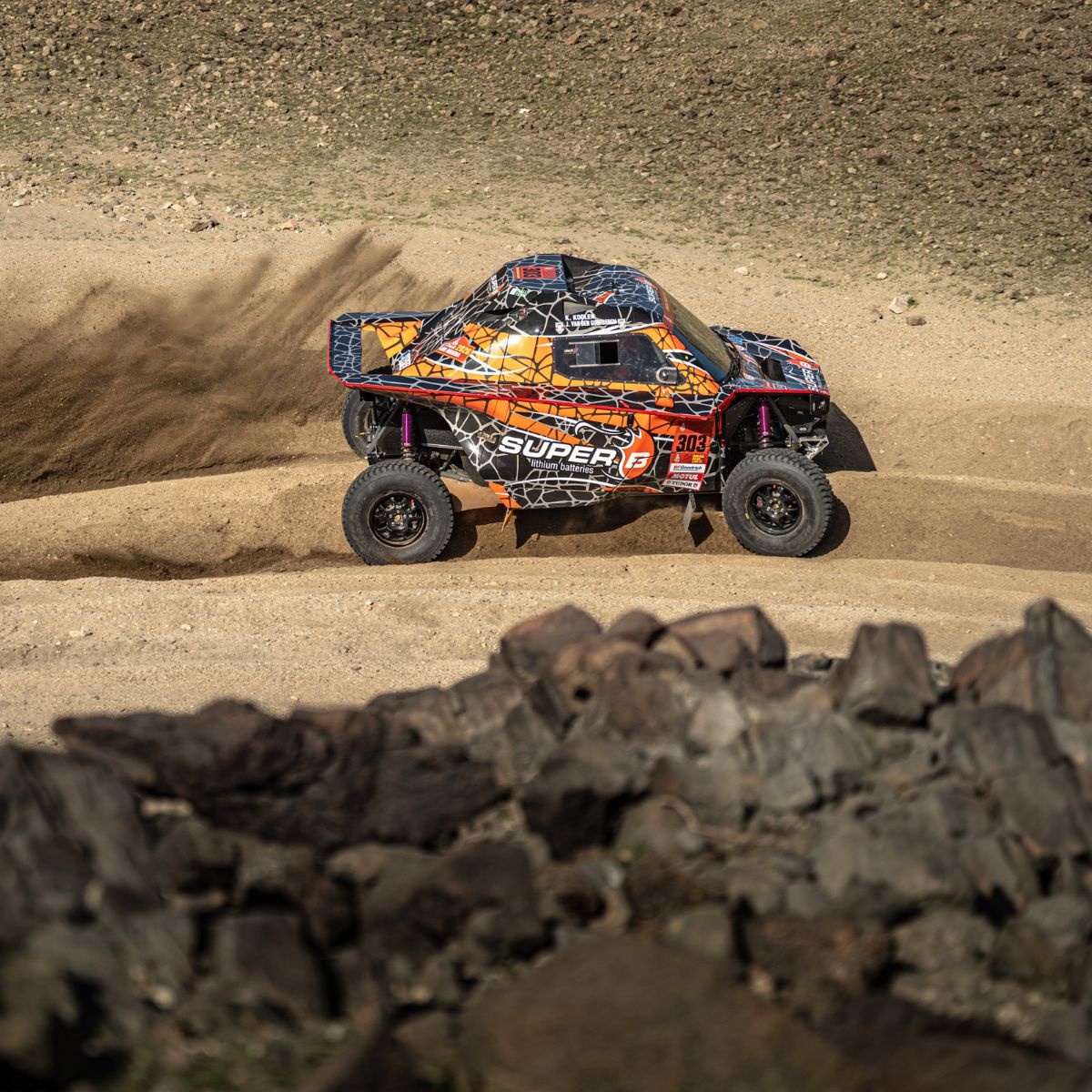
Why Stock Batteries Fail in SSV Rally
Standard side‑by‑side batteries are heavy, slow to recharge and lose voltage after repeated restarts. They struggle with the violent vibration, jumps and heat generated during rally stages. When you add lights, GPS, fans and power steering, they drain quickly and shorten their own lifespan. If you’ve ever fought to restart your UTV in the dunes, you know how much time a sluggish battery can cost. Rally demands more than what OEM units were designed for.
Purpose‑Built Power for SSV Rally

Instant Cranking Power
Lithium cells deliver strong pulses to fire big‑bore UTV engines in a split second, even after a stall in deep sand.

Reliable Starts & Stable Voltage
Consistent voltage keeps engine management, fans and navigation running without dimming or flickering.

Lightweight & Balanced
Up to 70 % lighter than lead‑acid packs, improving agility and reducing front‑end weight for better handling.

Deep Capacity for Accessories
Enough reserve to power winches, lights, GPS units and coolers without voltage sag during long stages.

Vibration & Shock Resistant
Tough casings and solid‑state internals withstand jumps, ruts and washboard roads without loosening or breaking.

Safe & Maintenance‑Free
LiFePO₄ chemistry is thermally stable and spill‑proof; integrated BMS options protect against over‑charge and deep discharge.
Fast Recharge, Low Self‑Discharge
Recharge fully between stages and retain charge during off‑season storage with minimal maintenance.

Long Service Life
Thousands of cycles provide multiple seasons of racing and training without frequent replacements.
The Right Battery for Your SSV Rally Machine
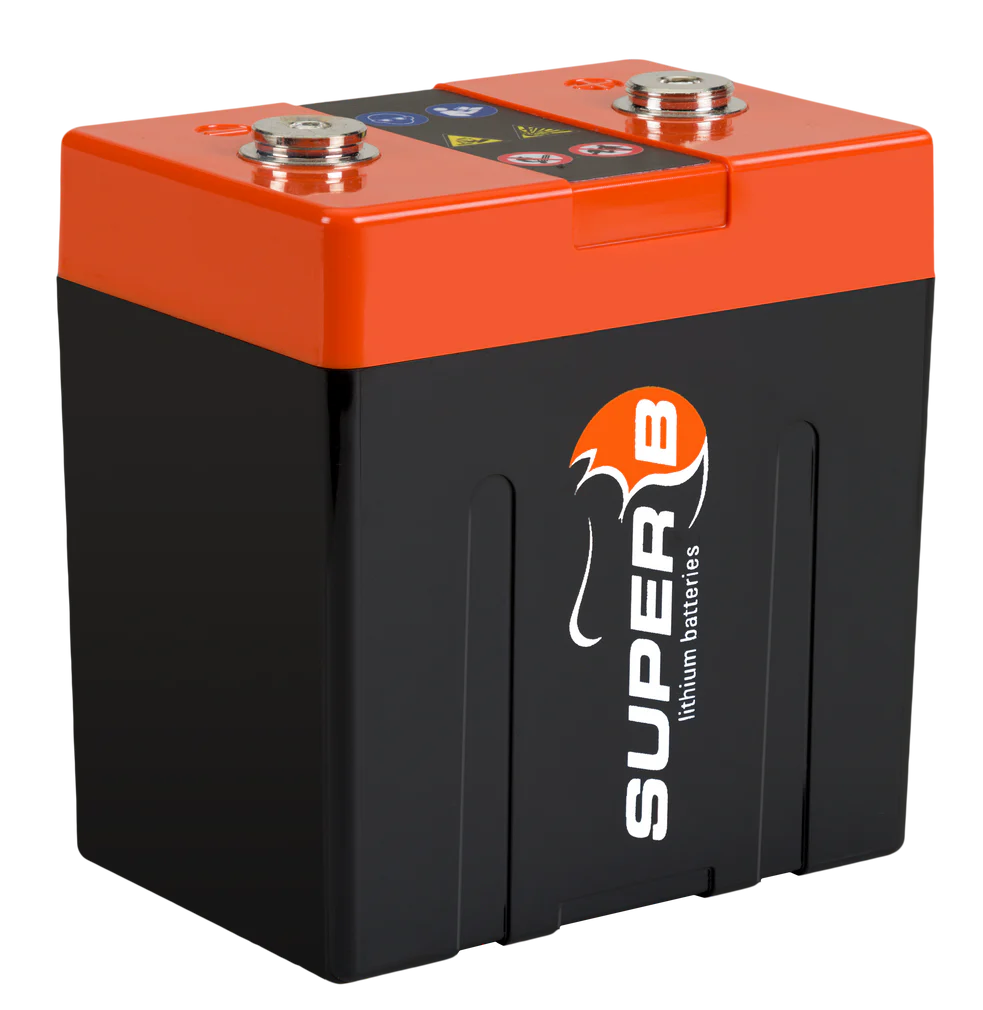
Andrena 12v10ah
Built for big‑bore twins and heavily equipped rally bikes. Delivers robust starting and sustained power for lights, GPS, and fans.
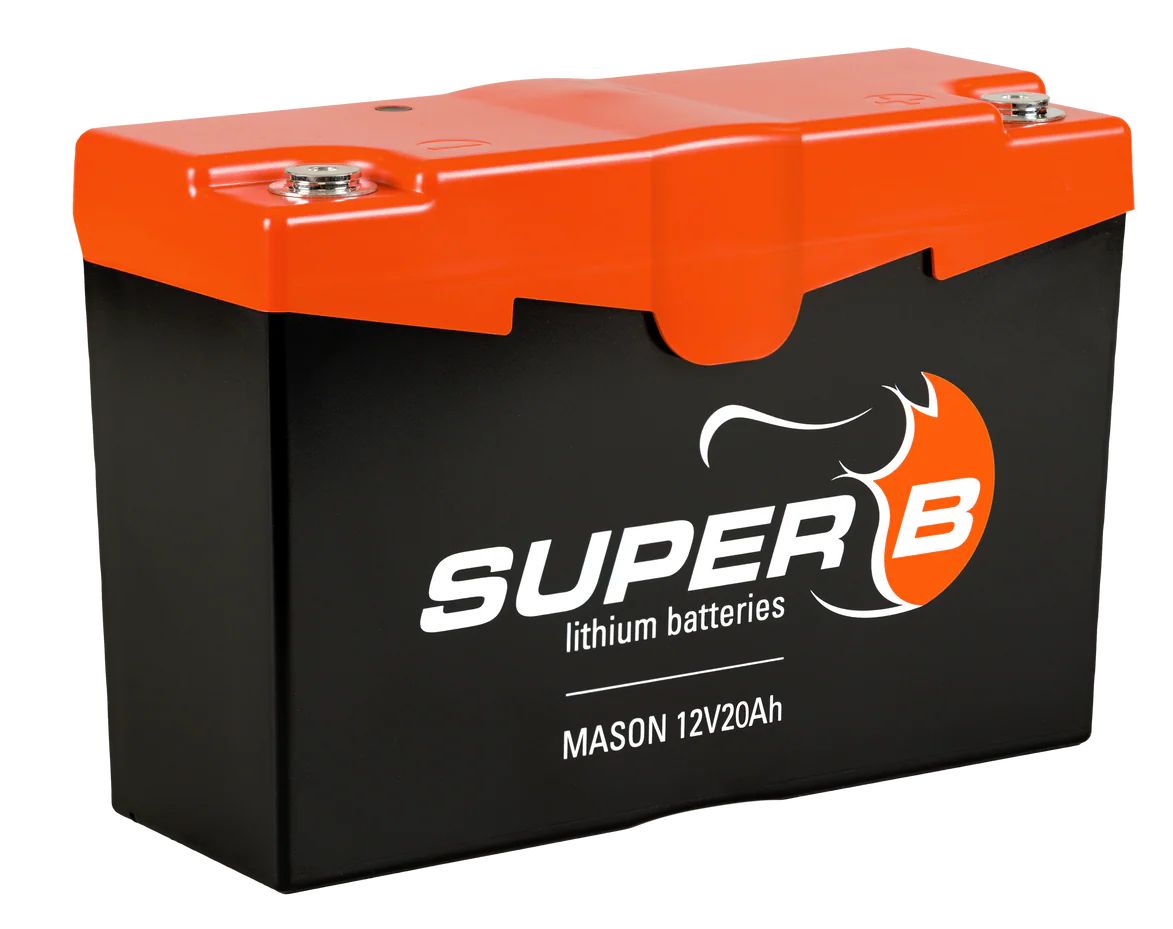
Mason 12 V 20 Ah
High‑capacity lithium pack with integrated BMS. Perfect for rally raids or fleet teams seeking additional safety, deep‑discharge resilience and cell balancing.
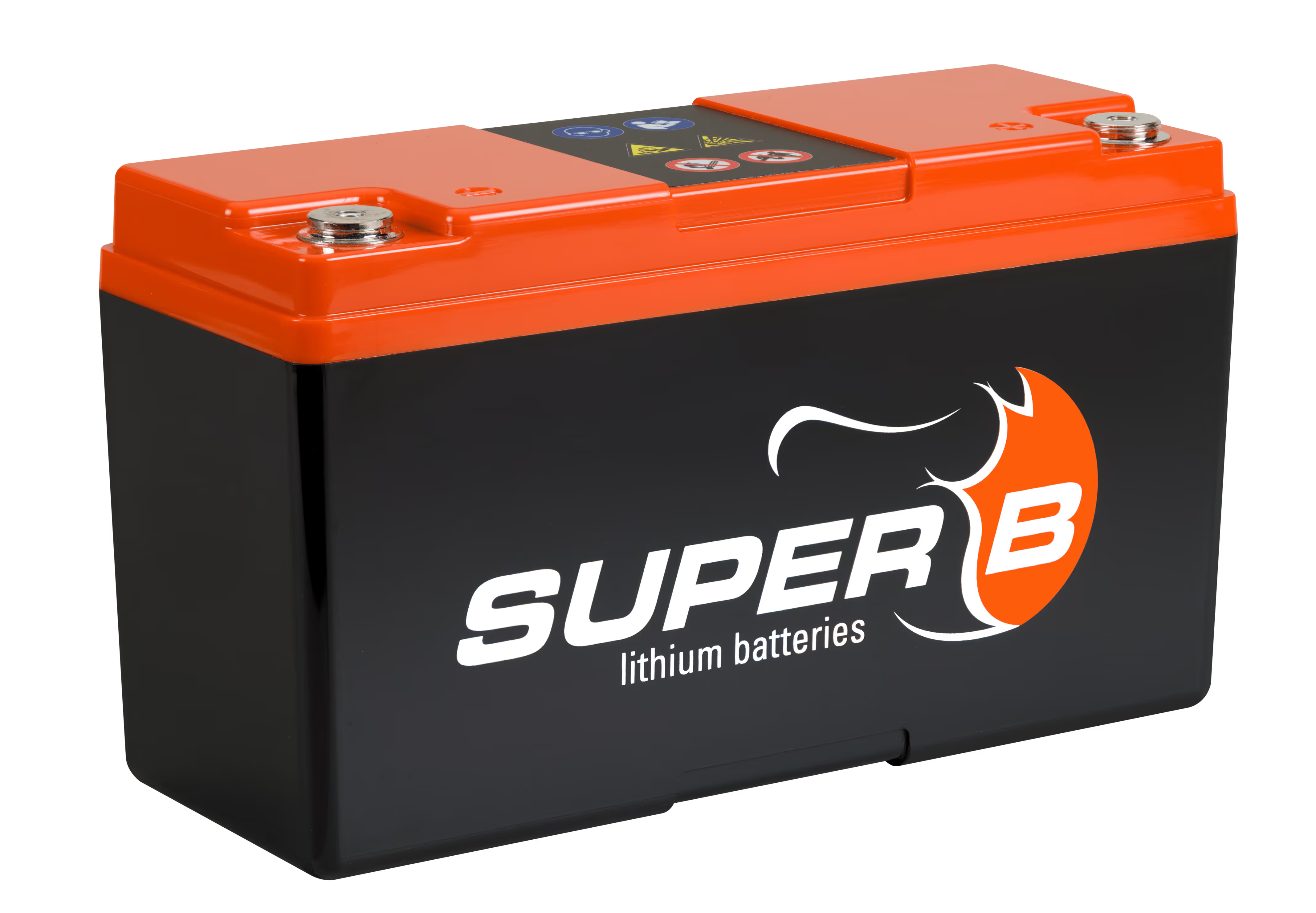
Andrena 12 V 25 Ah
Maximum capacity for long desert stages, rally raid events and SSVs with extensive electrical equipment. Delivers sustained power for lights and cooling systems.
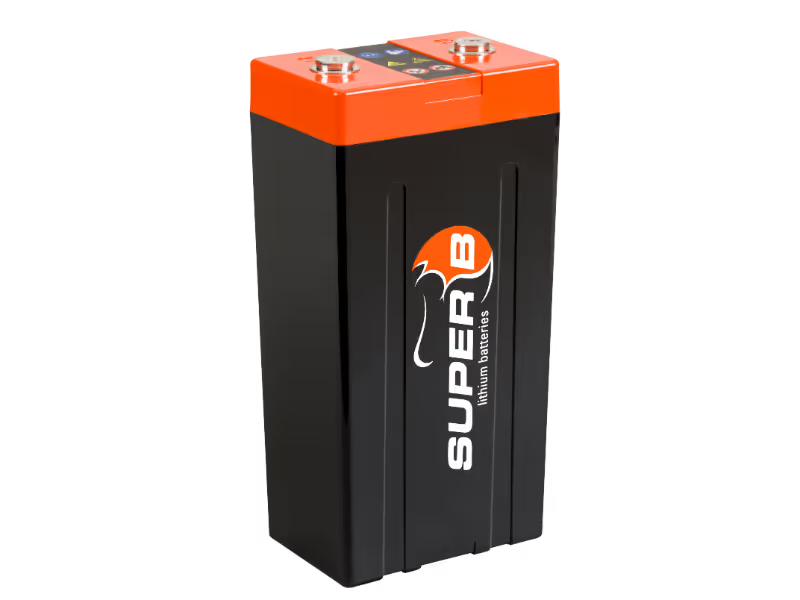
Andrena 12 V 20 Ah
Ideal for larger engines and more demanding accessory loads. Powers fans, intercoms and winches while keeping weight low.
Why Lithium Beats Conventional SSV Rally Batteries
Buy nowRally raid and stage races demand more from a battery than a casual trail ride. A side‑by‑side battery must deliver high current at the start, maintain voltage under heavy load and survive continuous pounding from rough terrain. Traditional lead‑acid batteries are heavy and degrade rapidly under these conditions. Here’s why Lithium Iron Phosphate (LiFePO₄) batteries are superior:
- Power Density & Weight – Lithium cells pack more energy into less mass, saving several kilograms while still delivering high cranking power.
- Voltage Stability – Lithium’s flat discharge curve keeps voltage high across the full state of charge, ensuring lights, pumps and fans perform consistently.
- Deep Discharge & Rapid Recharge – LiFePO₄ batteries tolerate deeper discharge and accept higher charging currents, so they recover quickly between stages.
- Vibration & Heat Resistance – Reinforced casings and solid‑state internals resist shock, vibration and high temperatures better than lead‑acid plates.
- Safety & Environmental Responsibility – LiFePO₄ is thermally stable, non‑flammable and spill‑proof, with no acid to leak or vent under stress.
Proven in the Toughest ssv rally races
Trusted by off‑road racers and rally raid teams:
✓ Proven in Dakar, Baja and other long‑distance rally events
✓ Used by professional side‑by‑side teams for reliable starts and stable voltage
✓ Tough enough to handle 20–50 g shocks and the heat of turbo‑charged engines
✓ Endorsed by mechanics and riders for weight savings and long service life

"On the Morocco Rally, we never worried about the battery. It fired the engine instantly after every stop and kept our GPS, fans and lights running across the dunes. It’s one less thing to think about when racing all day."
SSV Rally Team Manager

Certifications & Warranty
✓ Made in Europe (Netherlands)
✓ ISO 9001 Certified
✓ Safe LiFePO₄ / Li-ion Chemistry
✓ UN38.3 Transport Approved
✓ Reinforced enduro-grade casings
✓ 3-Year Manufacturer Warranty
Why Choose Our Batteries?
Our rally batteries are designed and assembled in Europe, using premium LiFePO₄ cells and reinforced housings. We test them to withstand continuous vibration, high heat and deep discharge cycles. With a three‑year warranty, ISO‑certified manufacturing and a track record in world‑class rally events, our batteries provide reliability you can count on. They’re backed by a knowledgeable support team who understand the demands of rally raid and stage racing.
Trusted by riders who refuse to carry unnecessary weight or accept inconsistent support.
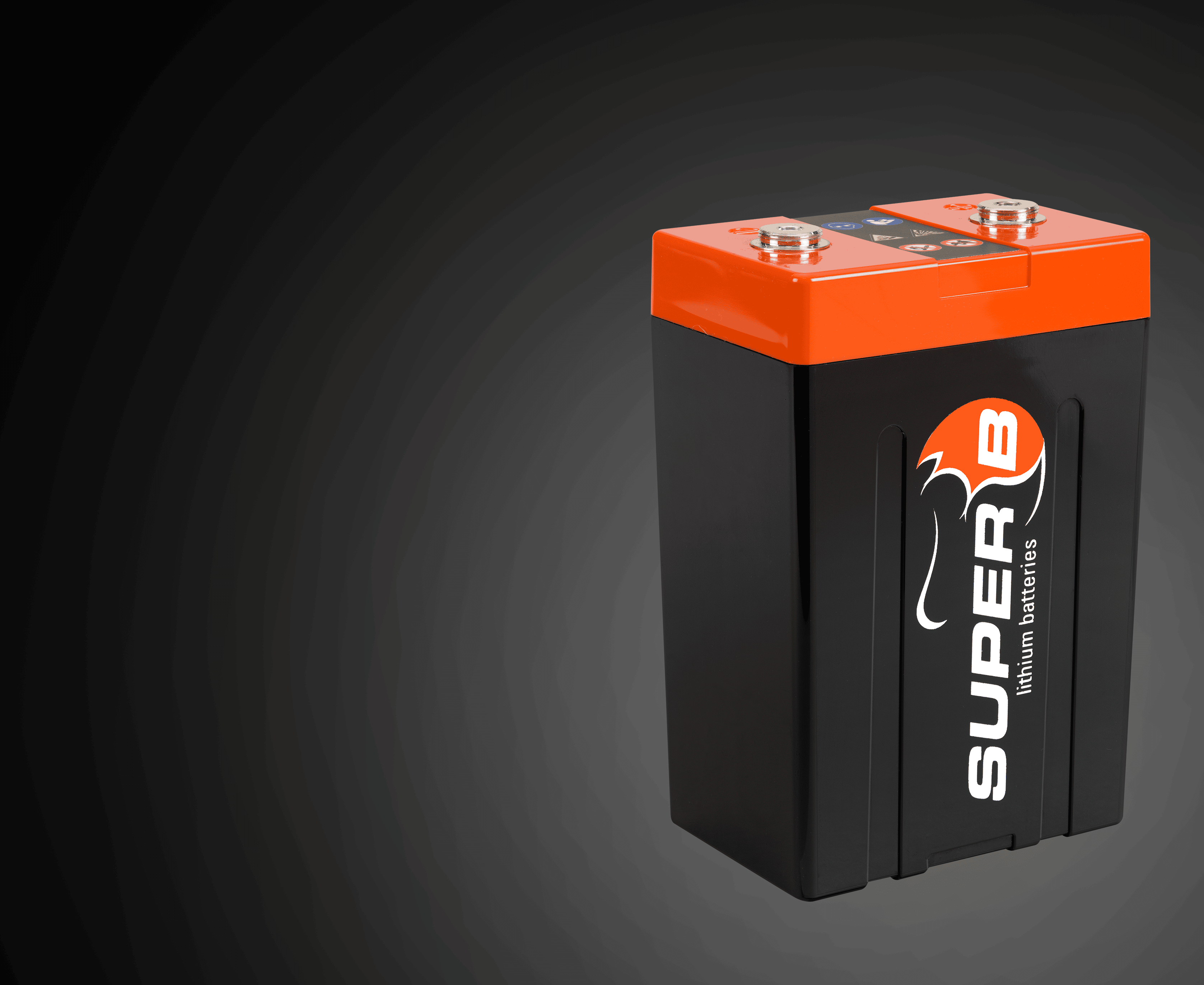
Pure performance with minimal weight. These batteries offer high cranking power and simple construction—perfect for competitive riders who prioritise every gram.

Includes an integrated Battery Management System for cell balancing and extra protection. A bit heavier but ideal for adventure rally bikes with more electronics or riders wanting plug‑and‑play safety.
Need Help Finding Your Rally Battery?
Unsure which battery fits your side‑by‑side? Our configurator allows you to search by make, model and engine size. We provide:
- Recommendations on CCA and capacity to suit your engine and accessory load
- Guidance on battery relocation for better weight distribution
- Advice on chargers, installation and safe wiring
- Tips for long‑term storage and maintenance during the off‑season
In‑Depth Guide: SSV Rally Batteries
Rally Raid vs. Trail Riding: What Changes?
Side‑by‑side vehicles used in rally raid and rallycross endure higher speeds, longer stages and rougher terrain than recreational UTVs. They carry two people plus navigation equipment, sometimes in extreme conditions like desert dunes, rocky tracks or snow. Unlike trail rides where starts are occasional, rally raid demands rapid restarts after checkpoints, crashes or navigation errors. Lights, GPS, intercoms and fans run continuously. A battery that only starts an engine is not enough; it must sustain the entire electrical ecosystem over hours.
Matching Power to Engine Size
SSV engines range from 800 cc in entry‑level machines to 1000 cc or turbo‑charged powerplants producing over 200 hp. Larger engines need higher cranking amperage—500–700 A—for instant starts. Smaller engines can get by with 350–500 A. Choose a battery with sufficient cranking current to exceed your engine’s demands by at least 20 %. This margin ensures reliable starts even after partial discharge or in cold weather.
Accessory Loads and Reserve Capacity
Rally UTVs often run multiple accessories: navigation tablets, roll‑cage lights, power steering, cooling fans, data loggers and radios. Each accessory draws current continuously. When selecting a battery, add up the current draw of all accessories and determine how long they need to run without alternator support. A 15 Ah battery may suffice for basic setups, but high‑draw accessories and long stages can require 20 Ah or more. Lithium batteries retain voltage under load, meaning they deliver consistent performance until near depletion.
Weight Distribution and Handling
Every kilogram matters in competitive racing. A heavy lead‑acid battery mounted high in the frame affects handling, especially during jumps and hard cornering. Lithium batteries remove several kilograms from the nose and lower the centre of gravity, making the vehicle more responsive. Many racers relocate the battery to a lower, more central position. When doing so, use appropriate cables, secure mounting brackets and follow regulations (e.g., isolator switches for safety).
Durability: Shock, Vibration and Heat
Rally raid shocks can reach 30–50 g. Traditional batteries with internal plates crack under such stress. LiFePO₄ cells are solid‑state and encased in shock‑resistant materials. They tolerate repeated impacts, mud, dust and water better than other chemistries. Operating temperatures in rally events range from sub‑zero to 60 °C; LiFePO₄ continues to perform in this range, while lead‑acid’s efficiency falls dramatically.
Charging, Storage and Maintenance
Between stages or during service points, fast charging is essential. Lithium batteries can recharge to 80–90 % in 30–60 minutes with the right charger. During off‑season storage, they self‑discharge less than 3 % per month and require no trickle charger. Store them at 50–70 % charge in a cool environment (10–25 °C) and disconnect accessories to prevent parasitic drains. For BMS‑equipped batteries, the system manages cells automatically; BMS‑free units need a compatible lithium charger and occasional balancing.
Safety and Battery Management Systems
LiFePO₄ batteries are inherently safe due to their chemistry’s thermal stability. However, charging and discharging must be properly controlled. Batteries in the Mason series include a BMS that monitors cell voltage, temperature and overall health, automatically cutting off power if conditions become unsafe. For weight‑sensitive racing applications, Andrena batteries omit a BMS, saving grams. In this case, use a lithium‑specific charger and monitor voltages manually to prevent cell imbalance.
Selecting the Correct Battery for Your SSV
To choose the right battery:
- Assess engine displacement – Larger engines require higher cranking amps.
- Calculate accessory draw – Add up currents for lights, GPS, fans and other devices.
- Estimate stage duration – Longer stages with heavy loads need larger Ah capacity.
- Consider temperature extremes – Cold climates need more CCA; hot climates need thermal stability.
- Prioritise weight or convenience – Racers may choose BMS‑free for minimal weight; adventurers might prefer built‑in protection.
Choosing a battery that meets these criteria ensures you have reliable power for starting, accessories and endurance.
Frequently asked questions
Some frequently asked questions regarding batteries for SSV.
Yes. Rally batteries are designed for higher cranking, deeper discharge, faster recharge and greater vibration resistance than recreational UTV batteries.
Engines up to 1000 cc typically require 400–600 A; turbo‑charged models may need 700 A or more. Choose a battery with at least 20 % headroom over your minimum requirement.
A 15 Ah battery suits basic setups. Heavy accessory loads or long night stages may require 20 Ah or 25 Ah for sufficient reserve.
LiFePO₄ cells are stable and non‑flammable. BMS-equipped models add further protection. Proper installation and charging are essential for safety.
A BMS balances cells and prevents over‑charge or deep discharge. Racers seeking ultimate weight savings may run BMS‑free batteries but must use compatible chargers and monitor voltages manually.
Use a charger designed for LiFePO₄ or one with a lithium charging mode. Conventional lead‑acid chargers may damage lithium cells.
Store it at 50–70 % charge in a cool, dry place (10–25 °C). Disconnect accessories to prevent parasitic drain and check voltage every few months.
Reducing weight improves handling and reduces fatigue over long stages. A lighter battery makes the vehicle more responsive, particularly on rough terrain.
Yes. Lithium SSV batteries provide deep capacity and maintain voltage under load. Choose a capacity that matches your total accessory draw and duration of use.
High‑quality LiFePO₄ batteries typically last 5–10 years and provide thousands of cycles, far outlasting conventional lead‑acid batteries.
Ready to Outpace the Competition?
Legal Notice: Super B starter batteries are designed for motorsport and competition use only. These batteries are not approved for use on public roads. Always consult with Super B or an authorized dealer regarding proper application for circuit racing and motorsport use.


