
Side‑by‑Side Batteries
High cranking power. Long‑lasting energy. Designed for the toughest UTV & SxS adventures.
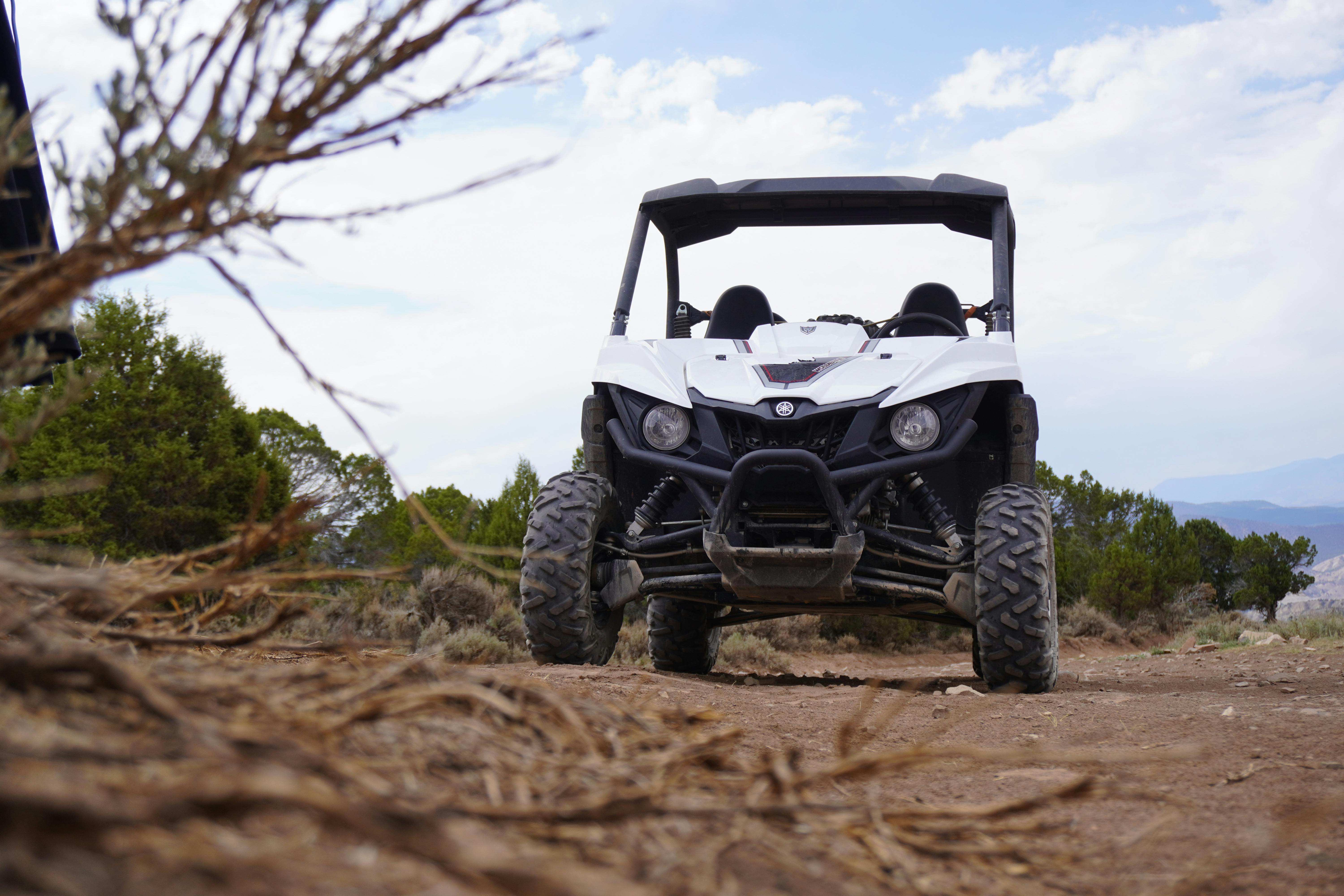
Why Standard Batteries Fail in SxS Vehicles
Factory UTV batteries are often lead‑acid units that struggle with the demands of a side‑by‑side. They’re heavy, lose charge quickly and drop voltage under load. Slow cranking in cold weather, dim lights when you hit the winch and frequent replacements after only a couple of seasons are tell‑tale signs. If you’ve ever been left stranded at the trailhead or had accessories cut out during a ride, you know standard batteries aren’t up to the task.
Important: These batteries are designed for UTV and off-road applications. Always check voltage, CCA and compatibility before installation.
Why Our Lithium SxS Batteries Outperform

Massive Cranking Power
Deliver the high current needed to fire big‑bore engines instantly, even after winch pulls or in sub‑zero temperatures.

Lighter Weight, Better Handling
Up to 70% lighter than lead‑acid equivalents, improving steering response and reducing suspension strain.

Reliability When It Counts
Consistent voltage means your engine starts on the first push and electronics stay powered on, mile after mile.

Deep Capacity for Accessories
Plenty of reserve to power winches, heaters, lights, GPS units and stereo systems without voltage sag.
Built to Survive the Trail
Reinforced casings and rugged internals shrug off 20–50 g shocks, water crossings, dust and mud.

Long Service Life
Thousands of cycles and 5–10 years of service. These batteries last several times longer than conventional units.

Fast Charge, Low Self‑Discharge
Recharge in an hour or two and stay ready during long storage periods thanks to <3 % monthly self‑discharge.
The Right Battery for Your Side‑by‑Side
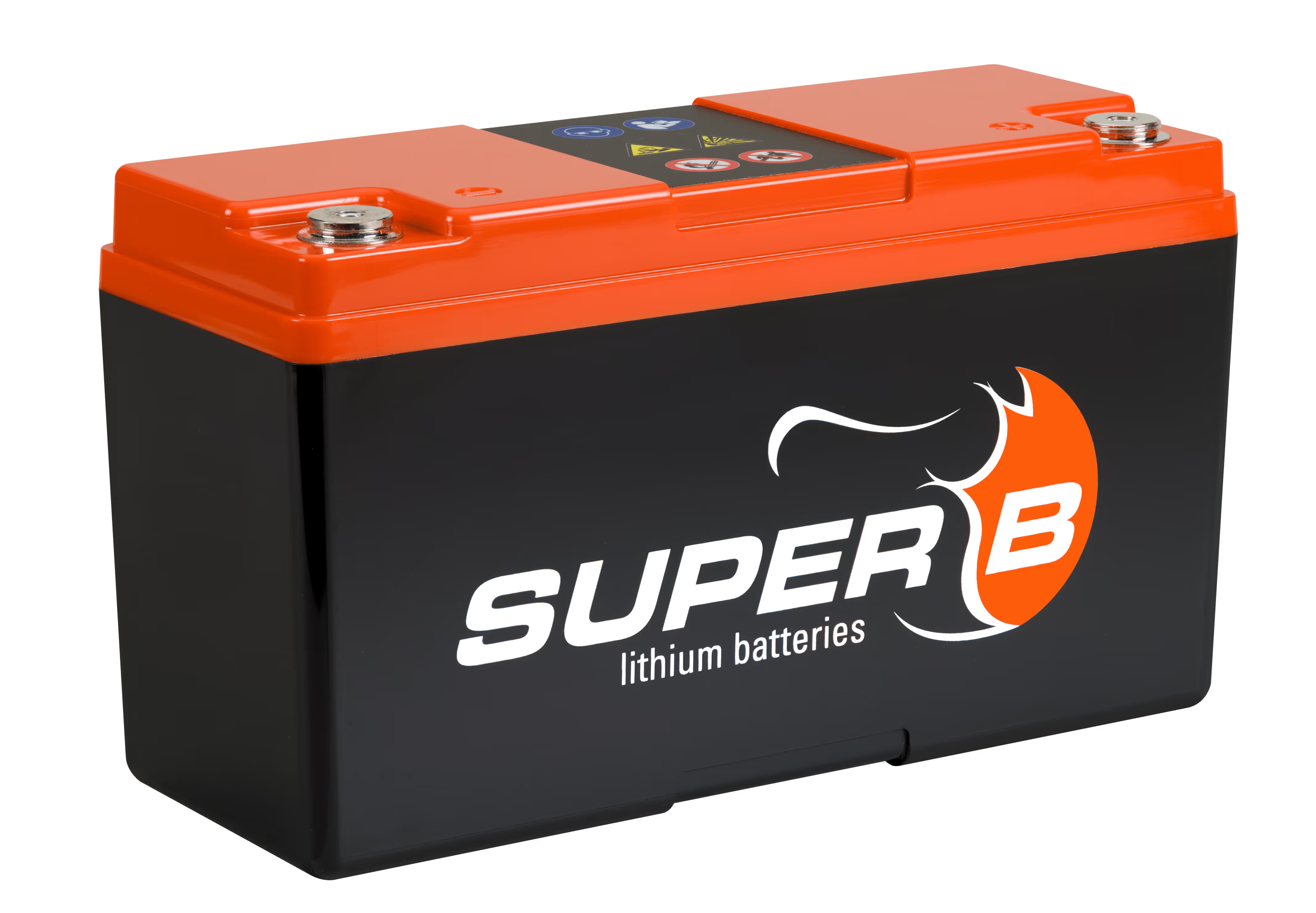
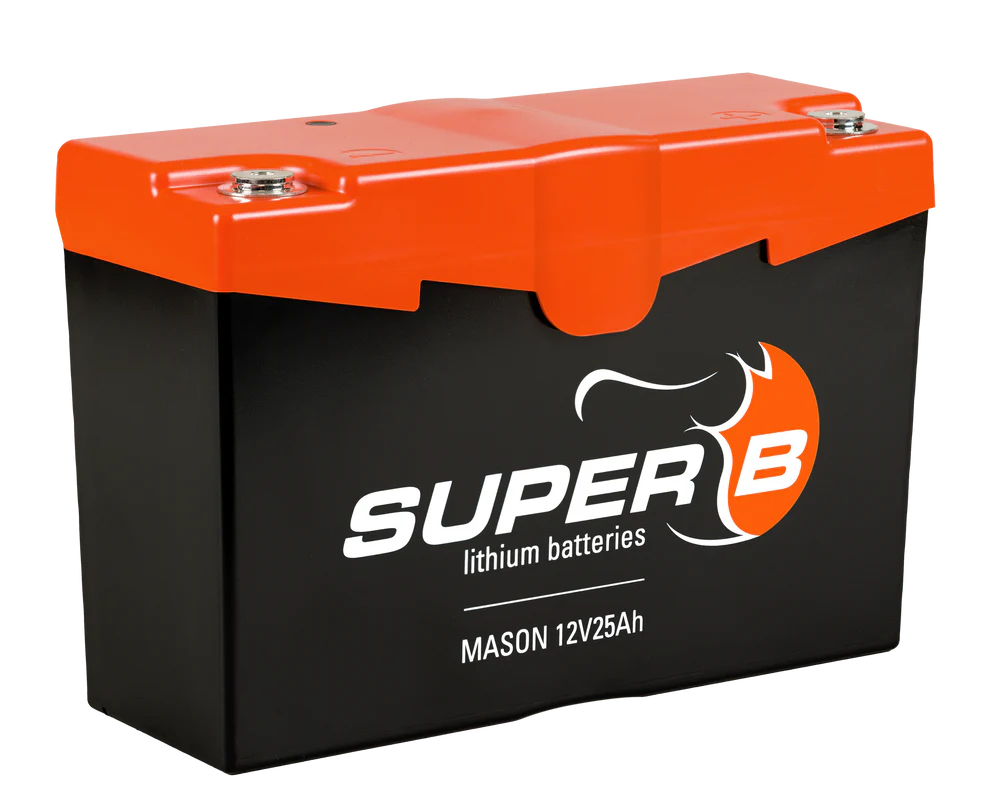
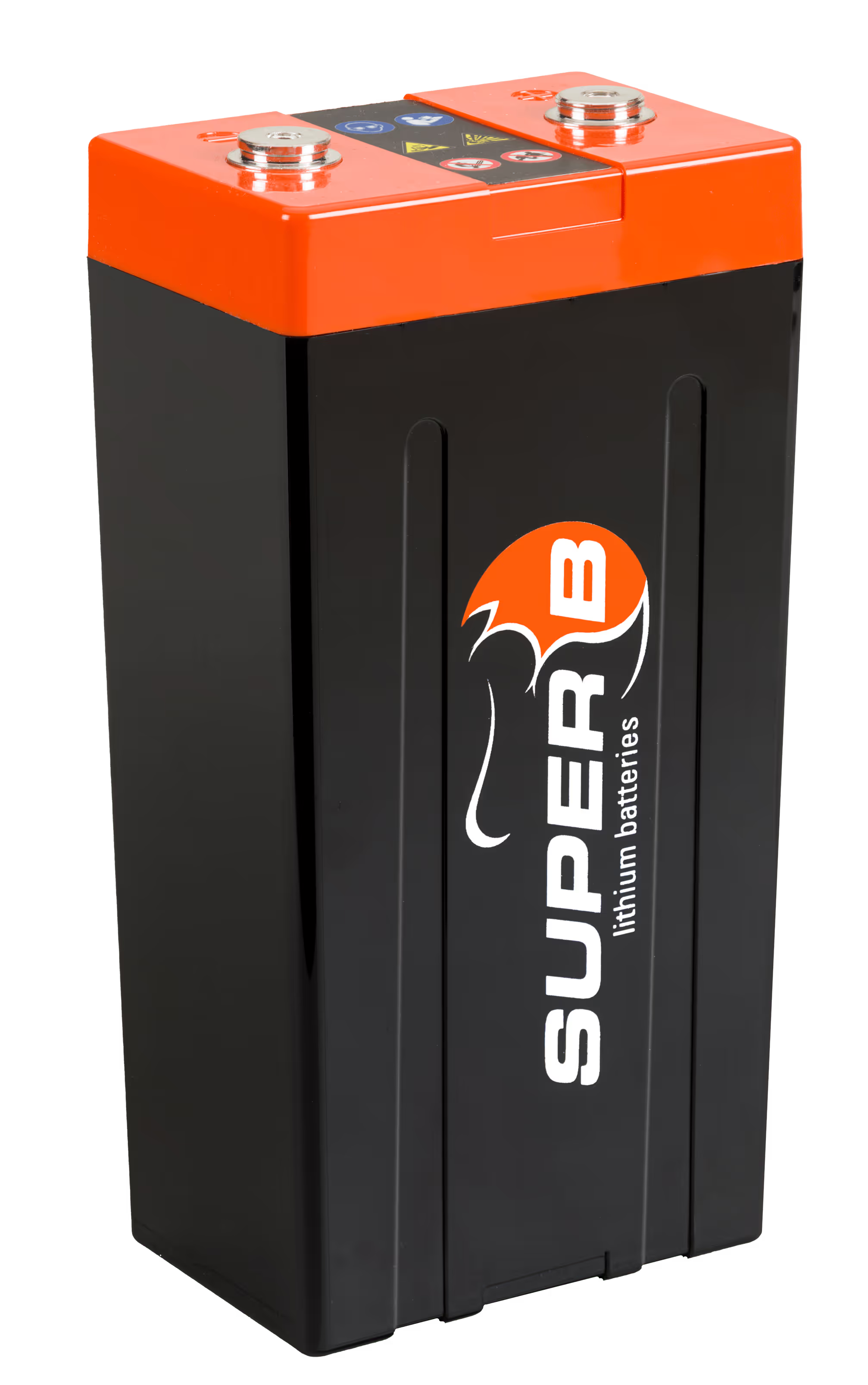
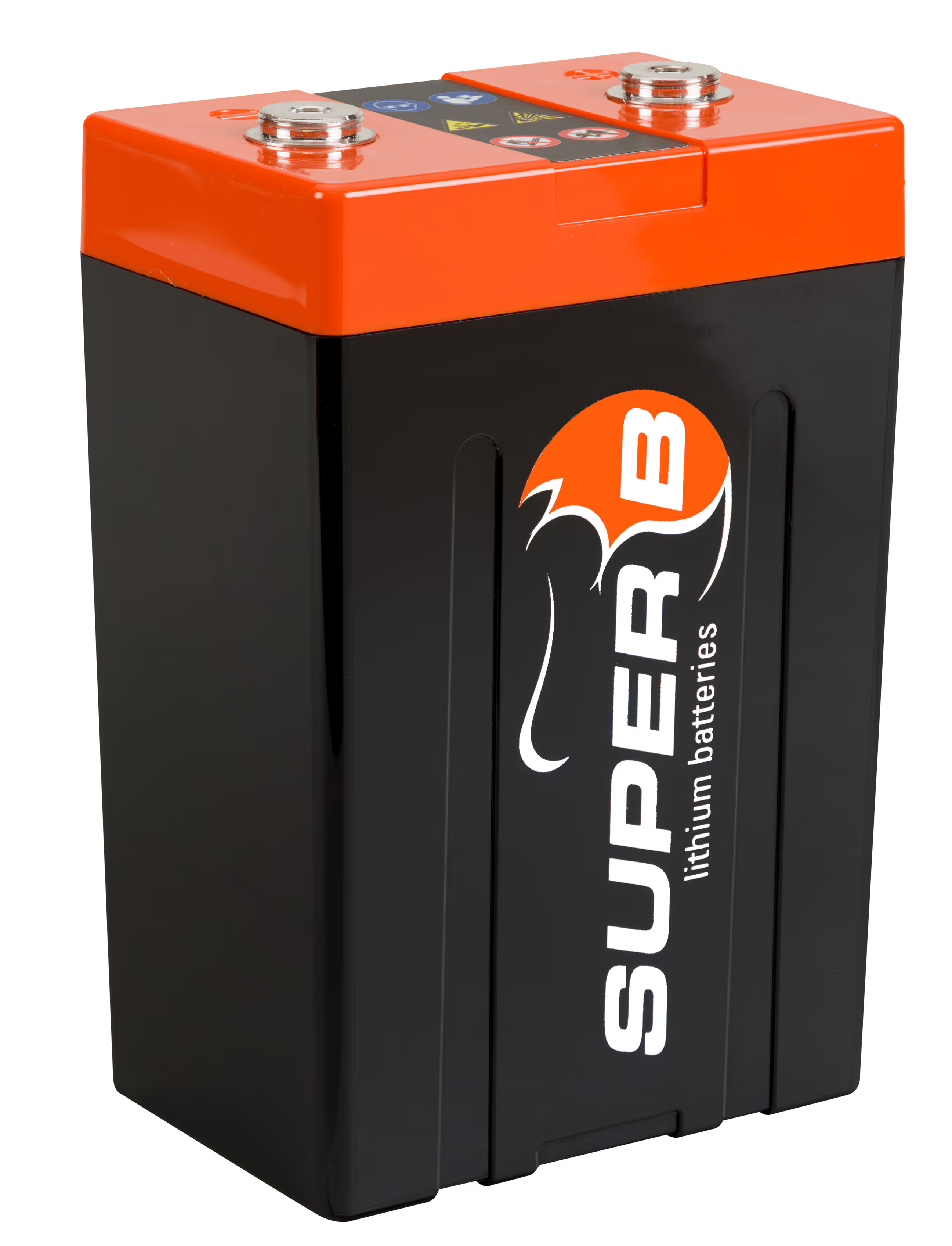
Lithium vs Traditional SxS Batteries
Buy nowSide‑by‑sides require more from a battery than most powersports machines. They pack large engines, multiple passengers and accessory loads. Most run on 12‑volt systems, but the current demands are high: starting pulses of 400–800 amps are typical, and heavy loads from winches or light bars demand a deep capacity.
Lithium Iron Phosphate Advantages
LiFePO₄ chemistry offers the best combination of safety, power density and cycle life. These batteries handle severe vibration, temperature swings and repeated deep discharges. They weigh half as much as lead‑acid packs while providing equal or greater capacity.
Energy Density & Weight
A 20 Ah LiFePO₄ battery weighs roughly 2.5 kg compared to 7 kg for a sealed lead‑acid equivalent. That’s significant weight off your front end, improving handling on uneven terrain.
Cycle Life & Longevity
Lead‑acid units often need replacement every 1–3 years. High‑quality lithium packs deliver 2 000–4 000 cycles and routinely last five to ten years with proper care.
Deep Capacity & Low Voltage Sag
Lithium batteries maintain voltage under heavy load and can be discharged deeply without damage. This means your winch, heater and sound system keep running without causing dim lights or poor starts.
Thermal & Environmental Stability
LiFePO₄ operates reliably from −20 °C to +60 °C. IP‑rated casings block dust and water ingress, making them ideal for crossing streams, muddy trails and dusty deserts.
Fast Charging & Minimal Self‑Discharge
These batteries recharge fully in as little as 30–60 minutes and lose less than 3% charge per month when stored, so your SxS is ready even after a long off‑season.
Proven in Demanding Off-Road Conditions
Trusted by side‑by‑side enthusiasts, farmers and guides across the globe:
✓ Battle‑tested in desert races, mountain expeditions and farm operations
✓ Proven reliability under constant vibration, winch loads and repeated high‑current starts
✓ Endorsed by professional tour operators and mechanics for their longevity and dependability
✓ Built to withstand mud, dust, water crossings and extreme temperatures

“Switching to a LiFePO₄ battery transformed my UTV. It fires up instantly, my winch never dims the lights and the weight savings are noticeable on technical trails. I’ve run it through snow and sand without a single issue.”
SxS Owner

Certifications & Warranty
✓ Made in Europe (Netherlands)
✓ ISO 9001 Certified
✓ Safe LiFePO₄ / Li-ion Chemistry
✓ UN38.3 Transport Approved
✓ Reinforced enduro-grade casings
✓ 3-Year Manufacturer Warranty
Why Super B for UTV batteries?
We engineer each battery in the Netherlands using premium LiFePO₄ cells, robust casings and intelligent BMS protection. Our manufacturing is ISO‑certified and each unit is thoroughly tested for vibration, temperature and electrical performance. We stand behind our products with multi‑year warranties and real customer support. When you choose our batteries, you get a reliable power source that helps your side‑by‑side perform its best.
Trusted by riders who demand reliable starts and consistent power.
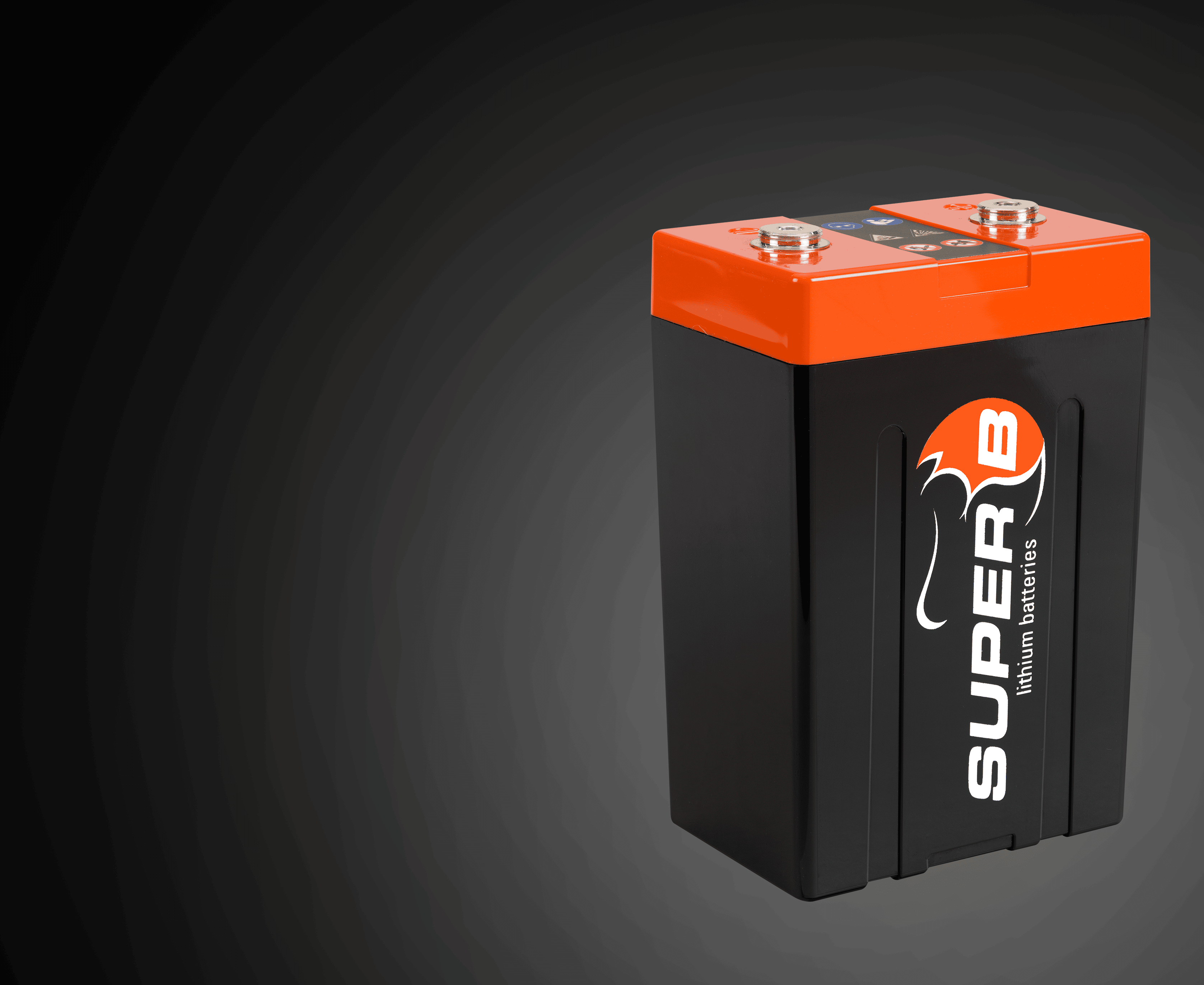
High power‑to‑weight ratio, minimal packaging, no BMS — ideal for performance‑focused SxS riders who prioritise raw cranking power and light weight.

Includes integrated BMS and higher capacity for utility and fleet vehicles. Slightly heavier but provides extra margin for deep discharge and accessory loads.
Need Help Finding Your Battery?
Need help selecting the right battery? Use our configurator to choose by make, model and engine size. Our support team provides:
- Recommendations on CCA and capacity for your specific SxS
- Advice on installation and fitment
- Guidance on BMS requirements
- Charging and storage best practices
In-Depth Guide: utv batteries
Introduction: Why SxS Batteries Matter
Side‑by‑side vehicles (also called UTVs or SxS) blend the performance of an ATV with the practicality of a small utility vehicle. They carry passengers, tow cargo, climb hills and power accessories—all on challenging terrain. A reliable battery is at the heart of this capability. It has to start large, high‑compression engines, keep winches and lights running, survive repeated shock and vibration and still work after months of storage. Without a well‑matched battery, the machine’s versatility collapses.
Power Demands and Cranking Performance
An SxS engine can have up to 1 000 cc displacement, and some models use turbochargers or performance exhaust systems. Starting such an engine takes a burst of current ranging from 400 A to over 800 A. Lead‑acid batteries often deliver strong current once or twice before voltage drops. Lithium Iron Phosphate batteries maintain consistent cranking power through repeated starts and after partial discharge. This makes the difference between firing up in one push or struggling while accessories pull voltage down.
Capacity Requirements Beyond Starting
Unlike a motocross bike that only needs to start, side‑by‑sides run multiple electrical loads: winches, power steering, heaters, sound systems, GPS units and light bars. A proper battery must have enough capacity to supply these accessories without sagging. Lithium batteries excel here: they provide deep capacity with minimal voltage drop. Even when powering a 4 000 lb winch or a high‑draw light bar, voltage stays stable and the engine remains ready to restart.
Weight Considerations vs. Heavy-Duty Use
Reducing weight can improve handling, but the trade‑off is different for an SxS compared to a dirt bike. A vehicle that already weighs 600 kg benefits more from capacity and durability than shaving every ounce. Lithium batteries are still significantly lighter than lead‑acid, but their primary advantage in SxS is performance and longevity. Riders and operators appreciate that a LiFePO₄ battery can handle winching and accessories without constant recharging or replacement.
Durability, Vibration and Environmental Resistance
Side‑by‑sides encounter brutal conditions. Rocks, ruts and jumps deliver shocks up to 50 g. Water, mud and dust are a daily reality, and extreme temperatures from −20 °C in winter to over 35 °C in summer stress electrical components. LiFePO₄ batteries are built for this environment. Their cells are rigid and potted in shock‑absorbing material; cases are sealed to IP standards, keeping dirt and water out. Their chemistry tolerates wide temperature swings without damage, preserving performance and safety.
Maintenance, Storage and Safety
Seasonal riders often park their SxS for months. Lead‑acid batteries self‑discharge, sulfate and frequently need charging or replacement. Lithium batteries retain up to 97% charge per month at room temperature. They can sit all winter and fire up your engine come spring. Maintenance is simple: no acid levels to check, no corrosion to clean. Many packs include a BMS that balances cells and prevents over‑charging or over‑discharging. For weight‑critical applications, you can choose an Andrena pack without BMS—just be sure to use a compatible charger and monitor voltage.
Choosing the Correct Battery for Your SxS
Selecting the right battery means matching engine size and accessory load to capacity and cranking power:
- Small to mid‑size SxS (500–700 cc) do well with 15 Ah batteries delivering robust CCA.
- Medium engines (700–1000 cc) and recreational use benefit from 20 Ah packs that balance weight and deep capacity.
- Large engines or utility machines with frequent winching need 25 Ah or higher for the added reserve and integrated protection.
Consider your climate: cold environments require higher CCA; hot environments benefit from thermal stability. Also consider accessory use: the more power you draw, the more capacity you need. By aligning these factors, you avoid under‑powered starts and over‑buying capacity you won’t use.
Frequently asked questions
Some frequently asked questions regarding batteries for Side-by-sides.
Yes. “UTV,” “side‑by‑side” and “SxS” refer to the same type of vehicle. They use similar 12‑volt powersport batteries, though specific size and capacity depend on the make and model.
Engines up to 700 cc generally require 400–500 CCA. Larger or turbocharged engines may need 600 CCA or more. Check your owner’s manual and choose a battery with at least 20–30% higher CCA than the minimum to allow for cold starts and accessory loads.
For casual trail riding, 15 Ah may suffice. For regular use of winches, heaters or stereos, look at 20 Ah or larger. Utility and work UTVs often need 25 Ah or more to handle long accessory run‑time.
This depends on the type of battery and how well it's treated. With proper care, expect 5–10 years and 2 000–4 000 charge cycles. They outlast lead‑acid batteries several times over. Always refer to the technical specifications of the battery to check this before buying. Feel free to get in touch to ask more questions.
This heavily depends on the type of usage. A BMS protects against over‑charge, over‑discharge and overheating. However, racers and weight‑conscious riders may opt for BMS‑free batteries like the Andrena series; they require careful charging and monitoring.
Yes, but always use appropriate jump‑start procedures. Consult your manual; improper connection can damage electronics. Many lithium batteries include emergency start functions or external leads.
LiFePO₄ cells operate from −20 °C to +60 °C. In extreme cold, warm the battery by drawing a small current (turning on lights) before starting. Some models include built‑in heating for cold‑climate operation.
No. Car batteries are too large, heavy and not designed for the vibration and size constraints of side‑by‑sides. Always use a battery designed for powersport or UTV use.
The main performance gains come from weight savings and consistent voltage. You’ll notice better throttle response and more reliable accessory operation, but top speed remains unchanged.
Ready to Upgrade Your Side‑by‑Side?
Legal Notice: Super B starter batteries are designed for motorsport and competition use only. These batteries are not approved for use on public roads. Always consult with Super B or an authorized dealer regarding proper application for circuit racing and motorsport use.


