
Rally Car Batteries
Instant restarts, rugged durability, weight‑saving design. Built for WRC, rallycross, stage rally and off‑road racing.

Why Standard Car Batteries Fail in Rally
Factory lead‑acid and AGM batteries are heavy, leak‑prone and lose voltage under repeated hard starts. They struggle with the violent vibration and temperature swings of gravel stages and desert runs. They self‑discharge quickly between events, and they lack the reserve capacity to power pumps, fans, lights and data systems during long liaisons. Poor performance here means longer pit stops, failed restarts after spins and premature retirements. Rally demands a battery built for the extremes.
Purpose‑Built for Rally Performance

Extreme Cranking Power
Lithium cells deliver up to three times the cranking amps of equivalent lead‑acid packs for instant engine firing—even after a stall in deep gravel.

Reliable Starts & Stable Voltage
Higher voltage at start‑up and consistent power delivery keep ECUs, fans, pumps and navigation systems running reliably throughout the stage.

Deep Capacity for Accessories
Provides sufficient reserve to power light pods, trip computers, heated windscreens and intercoms without voltage sag.

Lightweight & Balanced
Up to 70–80 % lighter than traditional batteries, reducing front‑end weight and sharpening handling, braking and acceleration.

Safe & Maintenance‑Free
LiFePO₄ chemistry is thermally stable; there’s no acid to leak or gas to vent. Integrated BMS (on select models) balances cells and prevents over‑charge or deep discharge.

Shock & Vibration Resistant
Reinforced cases and solid‑state construction shrug off 20–50 g shocks and relentless vibration from jumps, ruts and washboard roads.

Fast Recharge & Low Self‑Discharge
Recharges fully in under an hour and retains charge for weeks—ideal for tight service schedules and long gaps between events.

Long Service Life
Delivers thousands of cycles and multiple seasons of use, lasting two to three times longer than conventional batteries.
The Right Battery for Your Rally Car
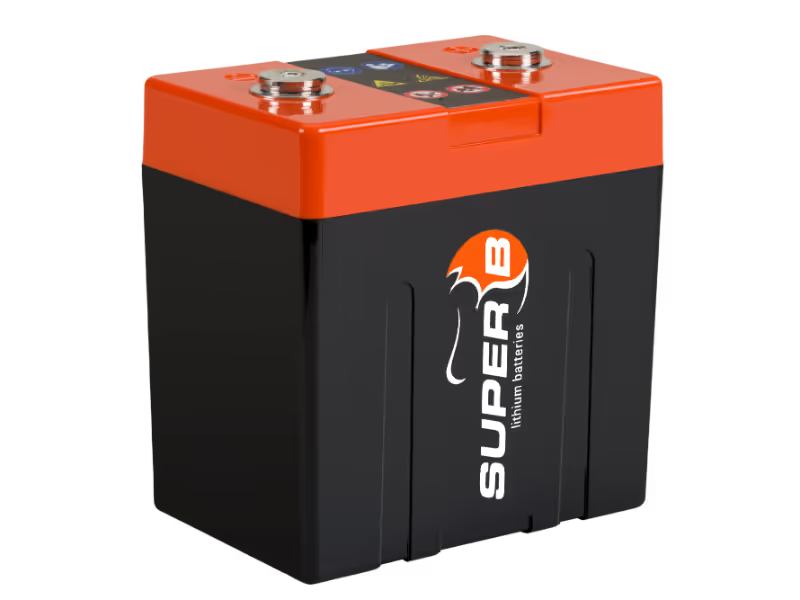
Andrena 12v10ah
Compact, high‑crank lithium power for 1.6–2.0 L rally cars. Perfect for WRC and clubman cars where weight and instant restarts are critical.
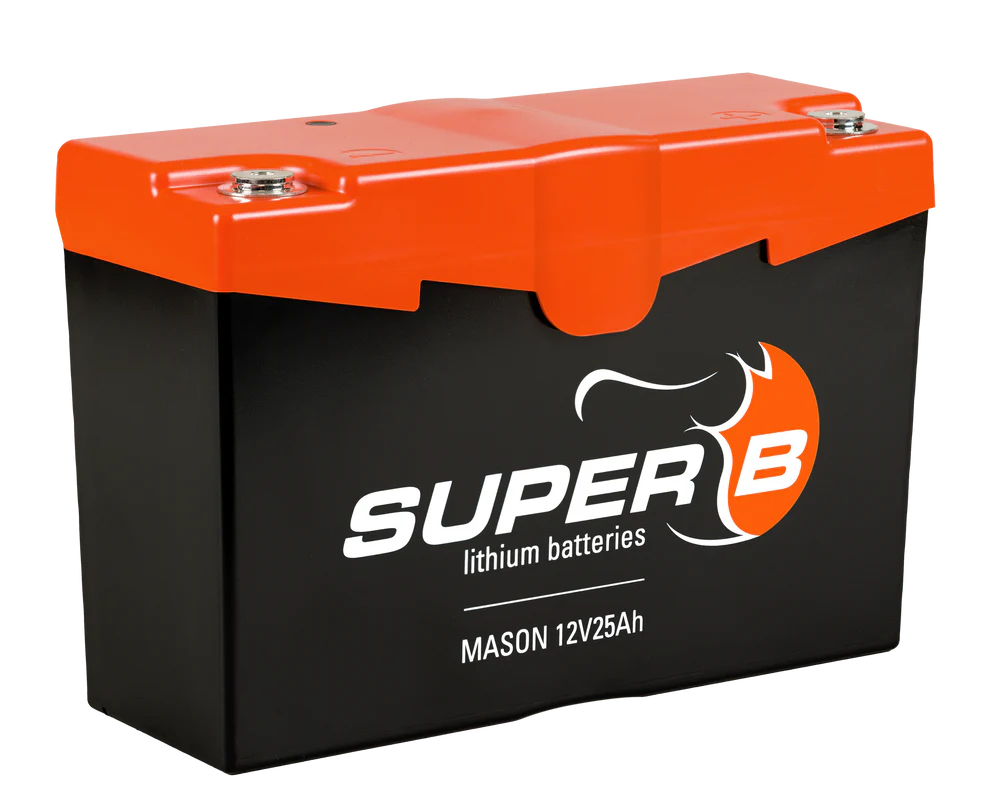
mason 12v20ah (with BMS)
High‑capacity lithium pack with integrated cell protection. Ideal for endurance rallies, rally raid and vehicles requiring maximum reliability and deep discharge capability.
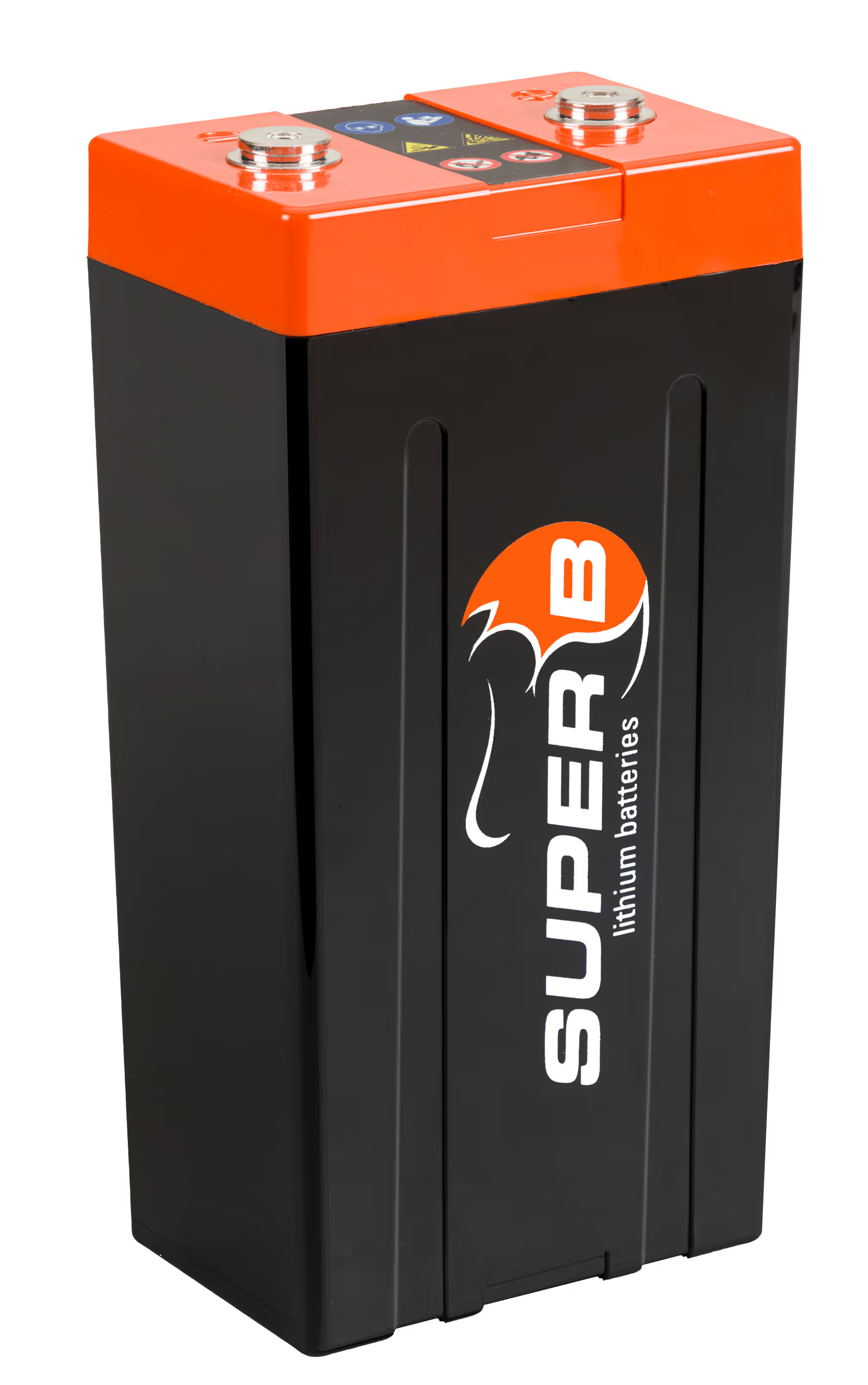
Andrena 12V20Ah
Enhanced reserve for 2.5–3.0 L rally cars or vehicles with heavy accessory loads. Supports long stages with lights, telemetry and cooling systems.
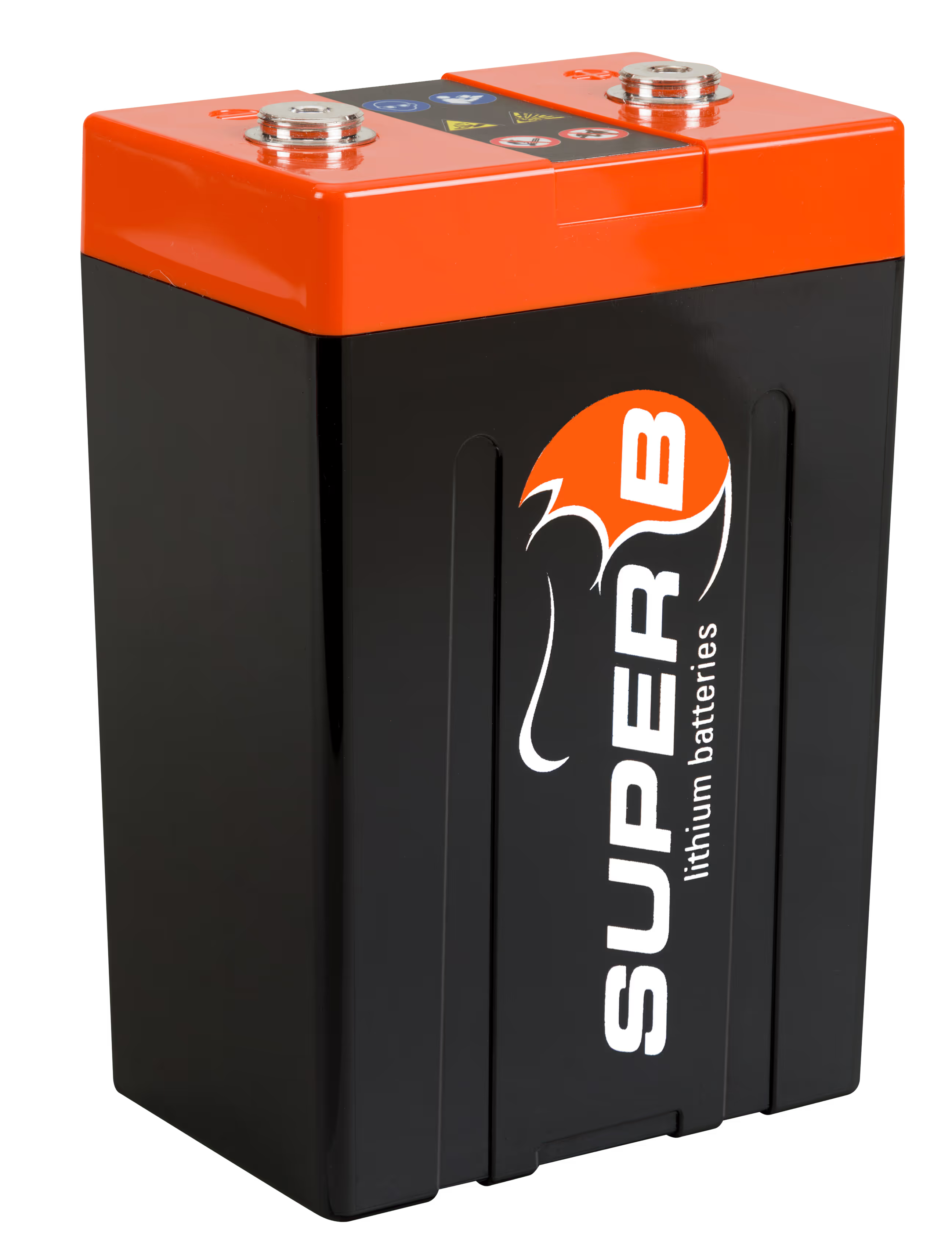
andrena 12v15ah
Balanced capacity and cranking for 2.0–2.5 L engines running electric power steering, cooling fans and light pods.
Lithium vs Conventional Rally Car Batteries
Buy nowRally cars need more than just starting power. They operate continuously on rough terrain, carrying fans, pumps, lights, data loggers and communications equipment. A battery must deliver high bursts of current, maintain voltage during long stages and tolerate violent shock and extreme temperatures.
Why Lithium Wins
- Power & Weight – Lithium Iron Phosphate batteries provide high cranking power and energy density, so you get more power in a package weighing a fraction of a lead‑acid or AGM battery.
- Voltage Stability – Lithium’s flat discharge curve means voltage remains high during discharge, ensuring electronics and pumps stay powered without dimming or misfires.
- Deep Discharge & Rapid Recharge – LiFePO₄ cells allow deeper discharge with no damage and accept high charge currents for quick turnaround during service intervals.
- Vibration Resistance – Solid‑state design and reinforced casings resist plate fatigue and cell damage caused by jumps, washboard roads and constant vibration.
- Safety & Environment – No free acid or toxic heavy metals; LiFePO₄ is non‑flammable and includes protection circuits on BMS‑equipped models.
Trusted Performance in Rally
Race‑proven performance on world stages:
✓ Trusted by teams in WRC, rally raid, rallycross and historic rallies
✓ Proven durability through thousands of kilometres of gravel, snow and tarmac
✓ Endorsed by race engineers for weight reduction, fast recharging and voltage stability
✓ Keeps fans, pumps, lights and data systems running with consistent voltage

“Switching to a lightweight lithium battery shaved 10 kg off the nose of our rally car. Starts are instantaneous and we no longer see voltage dips when the light pod and fans kick in. It’s one of the best reliability upgrades we’ve made.”
Rally Team Manager

Certifications & Warranty
✓ Made in Europe (Netherlands)
✓ ISO 9001 Certified
✓ Safe LiFePO₄ / Li-ion Chemistry
✓ UN38.3 Transport Approved
✓ Reinforced enduro-grade casings
✓ 3-Year Manufacturer Warranty
Why Choose Our Batteries?
Designed and manufactured in Europe, our rally batteries use premium LiFePO₄ cells, rugged PC‑ABS or carbon‑composite casings and, on select models, intelligent Battery Management Systems for cell balancing and protection. We test every battery for vibration resistance, thermal stability and electrical performance. With ISO‑certified production and multi‑year warranties, we provide race‑level reliability, weight savings and technical support that help you focus on winning stages, not fixing electrical issues.
Trusted by riders who refuse to carry unnecessary weight or accept inconsistent support.
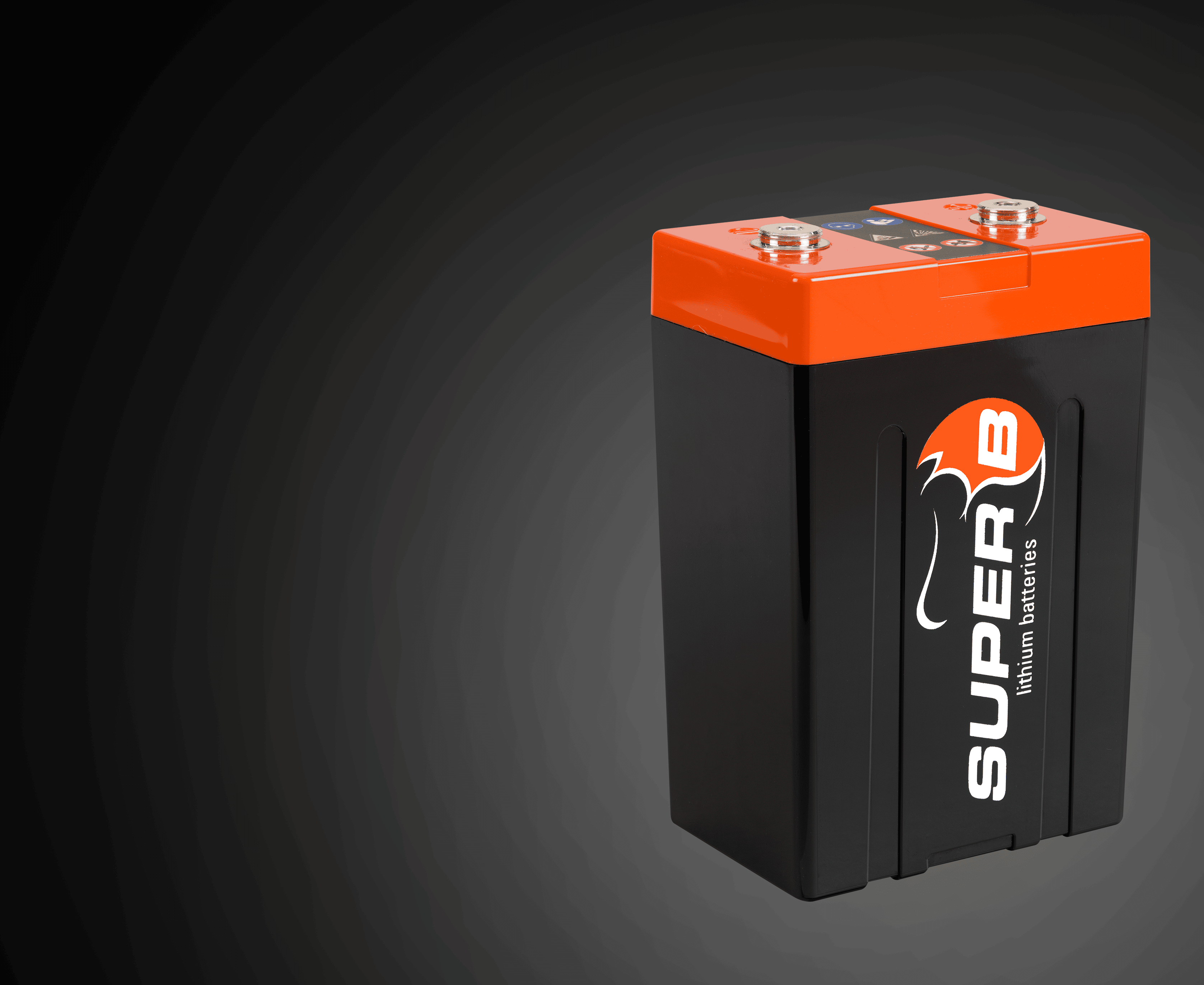
Maximum performance and minimal weight. Designed for racers who want pure cranking power with no built‑in BMS. Use with a compatible charger and monitoring routine for optimal performance.

Includes an integrated Battery Management System for cell protection and balancing. Slightly heavier but ideal for rally raids and long‑distance events where safety and deep-cycle resilience are paramount.
Need Help Finding Your Battery?
Our configurator helps you select the correct battery by car model, engine size and accessory load. We also offer technical support for:
- Determining appropriate CCA and capacity for your engine and electrical system
- Advising on safe battery relocation and mounting to optimise weight distribution
- Recommending chargers and charging procedures for LiFePO₄ batteries
- Providing tips for installation, connection and maintenance in rally applications
In-Depth Guide: Rally Car Batteries
Rally Demands: More Than Just Cranking
A rally stage combines long high‑speed runs with technical sections, jumps, water crossings and sudden restarts after spins or stalls. Your battery must reliably crank a high‑compression engine multiple times, power engine management, fuel pumps, power steering and cooling fans, and keep lights and navigation systems running. Traditional batteries often fade under this load; a rally‑specific battery keeps voltage stable and recovers quickly after heavy use.
Selecting the Right Capacity
Engine size and electrical load determine the capacity you need. Smaller turbocharged rally cars (1.6–2.0 L) usually operate well with a 10 Ah battery that delivers high cranking power and enough reserve for lights and ECU. Mid‑size engines (2.0–2.5 L) or vehicles with electric power steering or twin fans benefit from 15 Ah. Larger engines (2.5–3.0 L) and cars with heavy accessory loads—auxiliary lights, data loggers, intercoms—may require 20 Ah or more. Always match capacity to the worst‑case electrical demand of your car.
Weight and Performance Impact
Weight distribution plays a huge role in rally handling. Removing 5–10 kg from the front of the car improves turn‑in, reduces understeer and takes load off the suspension. Lithium batteries weigh roughly one‑third of lead‑acid units, making them an easy way to lighten the nose. Many rally teams relocate the battery to the rear of the car for better balance; this requires proper wiring, isolation and secure mounting but yields noticeable gains in agility and braking stability.
Durability: Vibration, Shock and Heat
Rally stages subject vehicles to intense vibration, impacts and temperature swings. Lead‑acid batteries suffer internal plate damage and acid stratification under these conditions. Rally‑grade lithium batteries use solid‑state cells and reinforced cases that resist 20–50 g shocks, continuous vibration and extreme temperatures from −20 °C to +60 °C. Properly mounted with foam or brackets, they remain stable through jumps, ruts and rough landings.
Reserve Capacity for Accessories
Modern rally cars use electric fuel pumps, ventilated brake systems, differential pumps and water sprayers, all drawing power. Long night stages add heavy lighting loads. A battery with sufficient amp‑hour reserve ensures these systems work without dropping voltage below the ECU’s minimum. Lithium batteries provide more usable capacity because they deliver consistent voltage at high discharge rates and tolerate deep cycling.
Charging and Maintenance
Rally events often have limited service time. Lithium batteries accept high charge currents and can recharge fully in 30–60 minutes, fitting neatly into service intervals. They also self‑discharge slowly (<3 % per month), so they hold charge during storage and travel. To maximise life, store them at 50–70 % charge and keep them cool (10–25 °C). Use a charger designed for LiFePO₄ chemistry and avoid over‑charging or deep‑discharging.
Safety and Battery Management
LiFePO₄ is inherently safe, but proper management is still essential. Batteries in the Mason series have integrated Battery Management Systems to balance cells and protect against over‑voltage, under‑voltage and over‑temperature. Andrena batteries offer maximum performance without a BMS and require external monitoring and proper charging practices. Regardless of type, secure the battery in a sealed enclosure or bracket, insulate terminals, and use appropriate cables and fuses to prevent shorts during impacts or rollovers.
Mounting & Relocation Tips
Mounting matters as much as the battery itself. Place the battery away from exhaust heat, use heat shielding if necessary and secure it with a rigid bracket or battery box. High‑density foam or rubber mounts dampen vibration. If relocating the battery to the rear, use correctly sized cables, an isolator switch, and ensure compliance with rally safety regulations. Quick‑release connectors and remote terminals can speed up charging and maintenance during service.
Frequently asked questions
Some frequently asked questions regarding lithium batteries.
Typically 300–500 A for small turbo engines and 500–800 A for larger naturally aspirated or turbocharged engines. Choose a battery with a 20–30 % margin above your engine’s minimum requirement.
A small lightweight battery may start the engine but could struggle with prolonged accessory loads. Match capacity to your electrical demands and consider reserve for long night stages.
A BMS adds safety and balancing but increases weight and cost. Andrena batteries omit a BMS for minimal weight—ideal for experienced teams that can manage charging manually. Mason batteries include a BMS for ease of use and extra protection.
Removing up to 10 kg from the front reduces inertia, improving acceleration, braking and handling. Gains accumulate over multiple stages, and the improved reliability further reduces time lost to electrical issues.
Yes. A battery isolator switch is recommended in rally cars. It allows quick disconnection in emergencies and prevents parasitic drains during service.
Use a charger designed for LiFePO₄ chemistry. These chargers charge at higher voltage with stages for bulk, absorption and balancing. Avoid trickle charging with lead‑acid chargers.
LiFePO₄ cells are non‑flammable and encased in strong housings. Properly mounted, they can withstand severe impacts and vibration. Many teams place them in sealed battery boxes for added protection.
Lithium batteries operate down to −20 °C. For very cold starts, pre‑warm the battery by turning on accessories (lights, fans) for a minute. Some models include built‑in heating pads.
With proper care, a LiFePO₄ battery can last five or more seasons. Replace if capacity falls significantly or if damage occurs from impact or over‑discharge.
Yes, provided you choose a high‑capacity model. Check the continuous current draw of these systems and ensure the battery’s discharge rate meets or exceeds it.
Ready to Dominate Every Stage?
Legal Notice: Super B starter batteries are designed for motorsport and competition use only. These batteries are not approved for use on public roads. Always consult with Super B or an authorized dealer regarding proper application for circuit racing and motorsport use.


