
Rally Bike Batteries
Reliable starts, rugged construction, long‑distance power. Built to survive the Dakar and beyond.

Why Standard Batteries Fail in Rally Bikes
Factory motorcycle batteries aren’t built for the brutality of rally raids. Lead‑acid and basic AGM units are heavy, lose voltage under load and struggle with the constant pounding of rough terrain. They can’t handle the repeated hot restarts at checkpoints, and they drain quickly when powering GPS units, roadbooks and auxiliary lights. If you’ve ever been stranded in the dunes with a dead battery, you know how costly that failure can be. Rally requires a power source that’s as tough and relentless as your ride.
Important: These batteries are designed for off-road use. Always check motor compatibility and manufacturer requirements.
Made for Desert Stages and Marathon Legs

High Cranking Power
Delivers strong pulses to fire high‑compression singles and twins instantly, even after stalls or long liaison sections.

Dependable Starts
Consistent voltage means your engine fires every time, no matter how hot or cold the stage starts.

Lightweight, Agility Boost
Up to 70 % lighter than conventional batteries, improving handling and reducing fatigue during long days in the saddle.

Long‑Run Capacity
Designed to power roadbooks, GPS units, fans and lights for hours without voltage sag.

Vibration‑Proof Construction
High‑compression, sealed casings withstand relentless hammering from rocks, ruts and jumps.

Safe & Maintenance‑Free
LiFePO₄ chemistry offers thermal stability and zero spill risk; no refilling or corrosion.
The Right Battery for Your Rally Bike
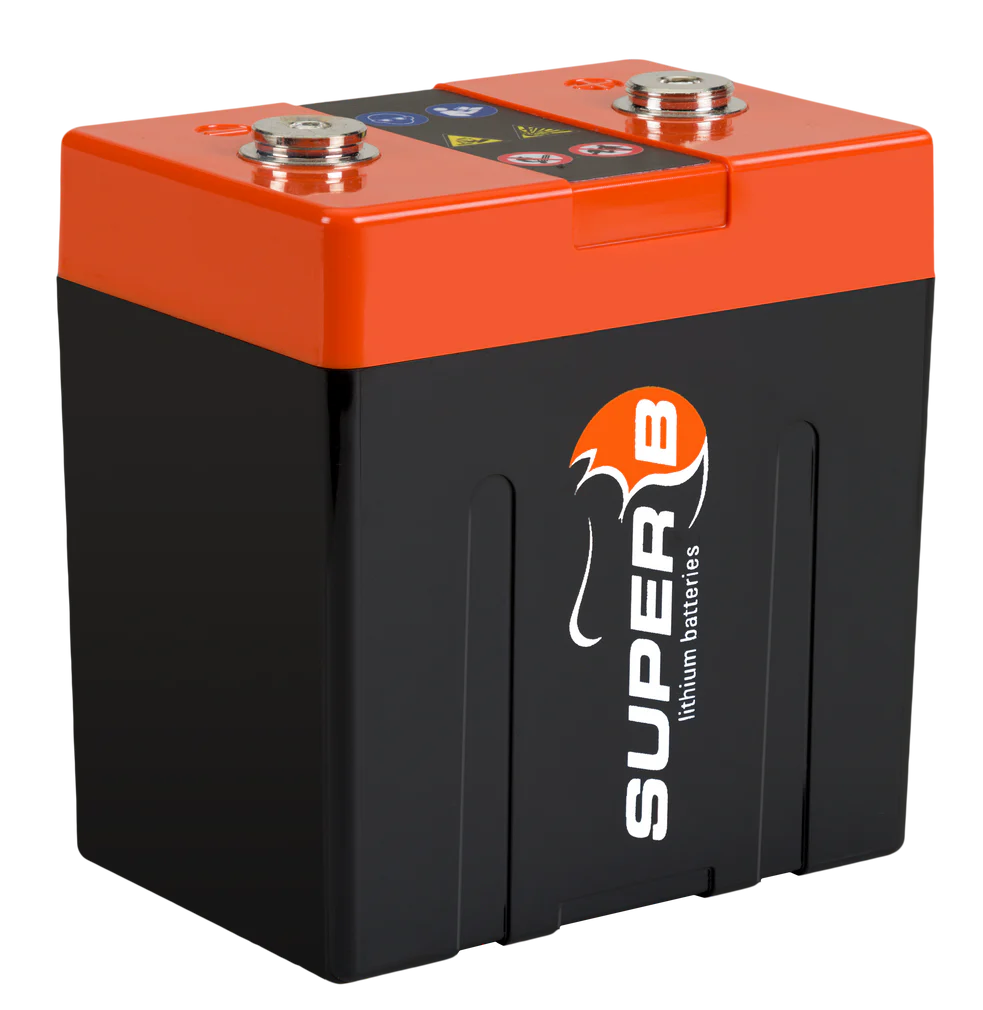
Andrena 12v10ah
Built for big‑bore twins and heavily equipped rally bikes. Delivers robust starting and sustained power for lights, GPS, and fans.
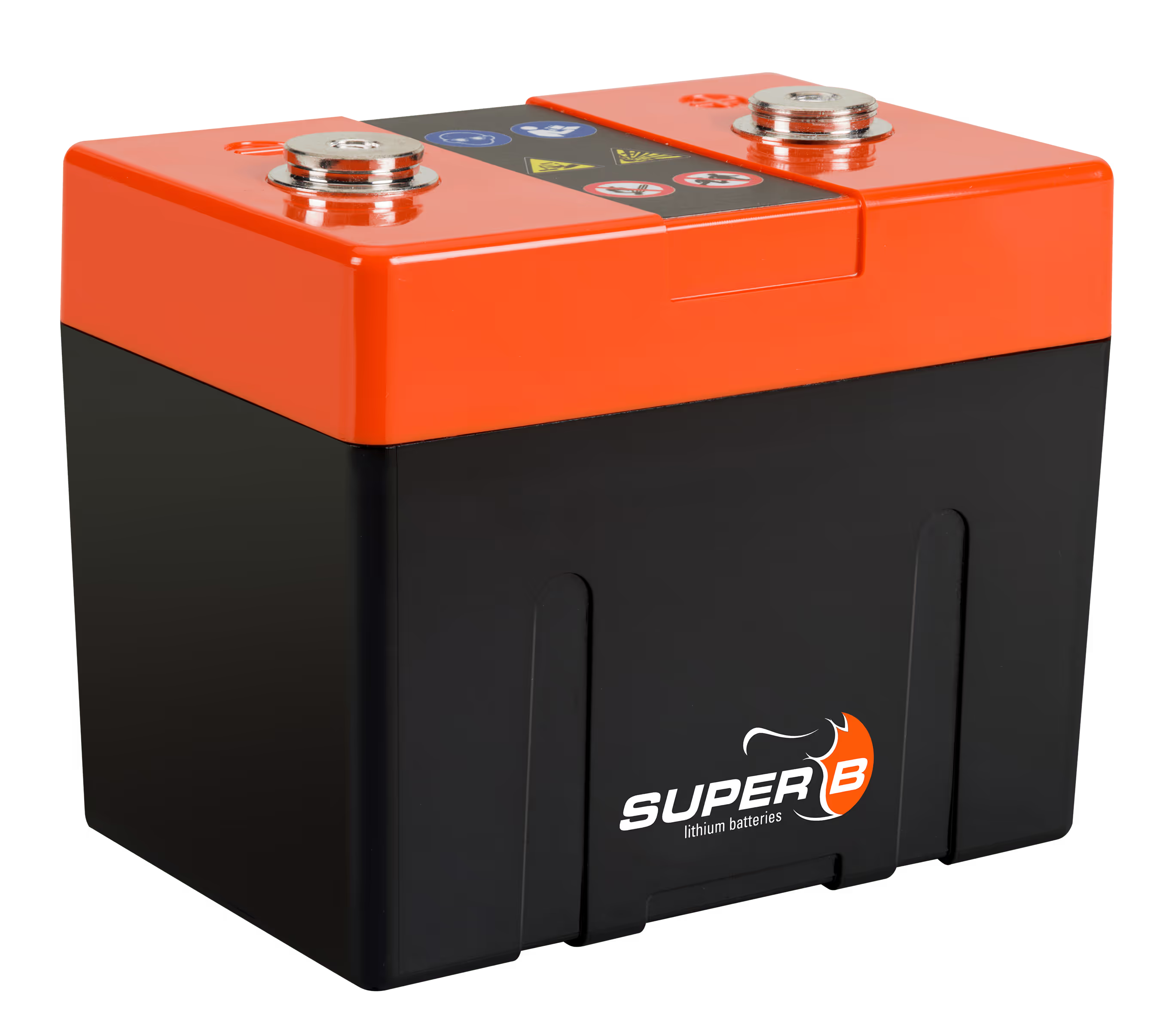
Andrena 12v7,5ah
Ideal for mid‑range single‑cylinder rally machines up to 700 cc. Balances weight savings with extra reserve for navigation gear.
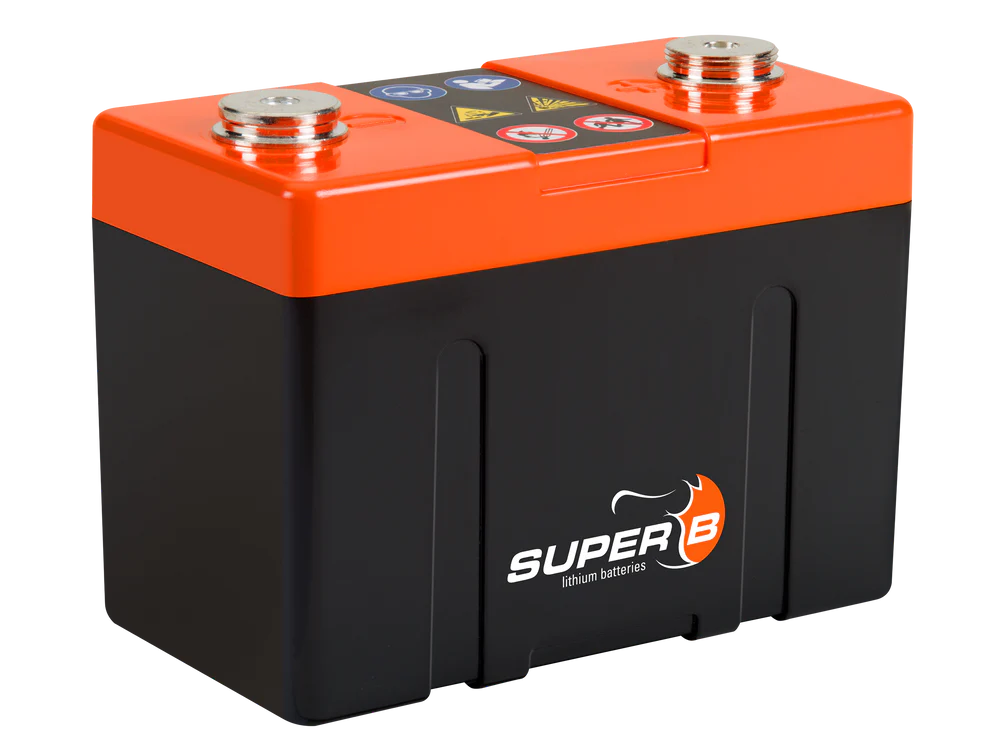
andrena 12v5ah
Ultra‑light lithium starter for 250–450 cc rally and enduro bikes. Strong cranking in a compact package.
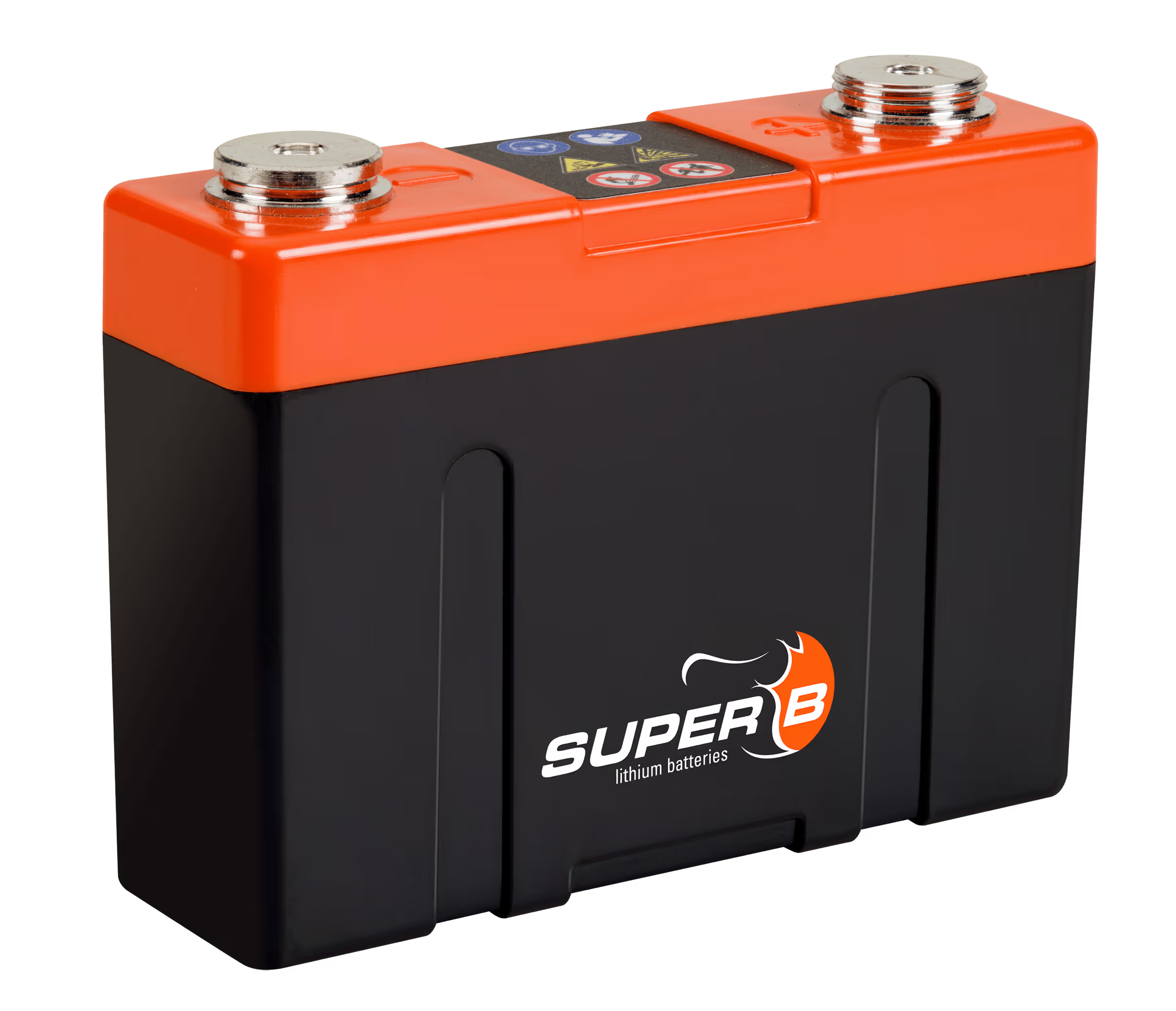
andrena 12v2,5ah
Our lightest lithium starter for 250–450 cc rally and enduro bikes. Strong cranking in a compact package.
Why Lithium Beats Conventional Rally Batteries
Buy nowRally bikes operate far from support trucks, over days and thousands of kilometres. A battery must cope with severe vibration, sand, heat and repeated discharging while powering critical electronics. Traditional lead‑acid batteries are heavy and degrade rapidly under these conditions. Lithium Iron Phosphate (LiFePO₄) batteries solve these problems:
- Power Density – Lithium cells pack more energy into less weight and volume, giving riders more power without adding kilos.
- Stable Voltage Curve – A flat discharge curve means electronics like roadbooks and GPS get consistent voltage right to the end of the stage.
- Deep Discharge & Fast Recharge – LiFePO₄ can be discharged more deeply than lead‑acid and can recharge quickly between stages.
- Temperature Tolerance – Performs reliably from cold early morning starts to blistering afternoon heat.
- Vibration Resistance – Reinforced casings and internal structures survive the pounding of desert tracks without plates breaking or acid spilling.
- Safety – LiFePO₄ is non‑combustible and has integrated protection available in BMS models, preventing over‑charge and over‑discharge.
Proven in the Toughest Rally bike races
Used by rally racers, adventure riders and long‑distance enthusiasts worldwide:
✓ Trusted in Dakar Rally, Africa Eco Race and other long‑distance events
✓ Proven to deliver instant starts after crashes and quick pit repairs
✓ Keeps roadbooks, GPS units and fans running without voltage drops
✓ Endorsed by mechanics and riders for their light weight and durability

"During Dakar training, my Super B battery never missed a start. Even after hours of hammering through dunes with the lights on and GPS buzzing, voltage stayed stable. It’s the one piece of equipment I never worry about."
Rally Rider & Team Mechanic

Certifications & Warranty
✓ Made in Europe (Netherlands)
✓ ISO 9001 Certified
✓ Safe LiFePO₄ / Li-ion Chemistry
✓ UN38.3 Transport Approved
✓ Reinforced enduro-grade casings
✓ 3-Year Manufacturer Warranty
Why Choose Our Batteries?
Our rally bike batteries are engineered in Europe using premium LiFePO₄ cells, robust casings and advanced safety systems. They’re designed to handle extreme vibration, temperature swings and the heavy electrical loads of modern rally bikes. With industry‑leading cycle life and dedicated technical support, we help riders and teams focus on racing, not battery maintenance.
Trusted by riders who refuse to carry unnecessary weight or accept inconsistent support.
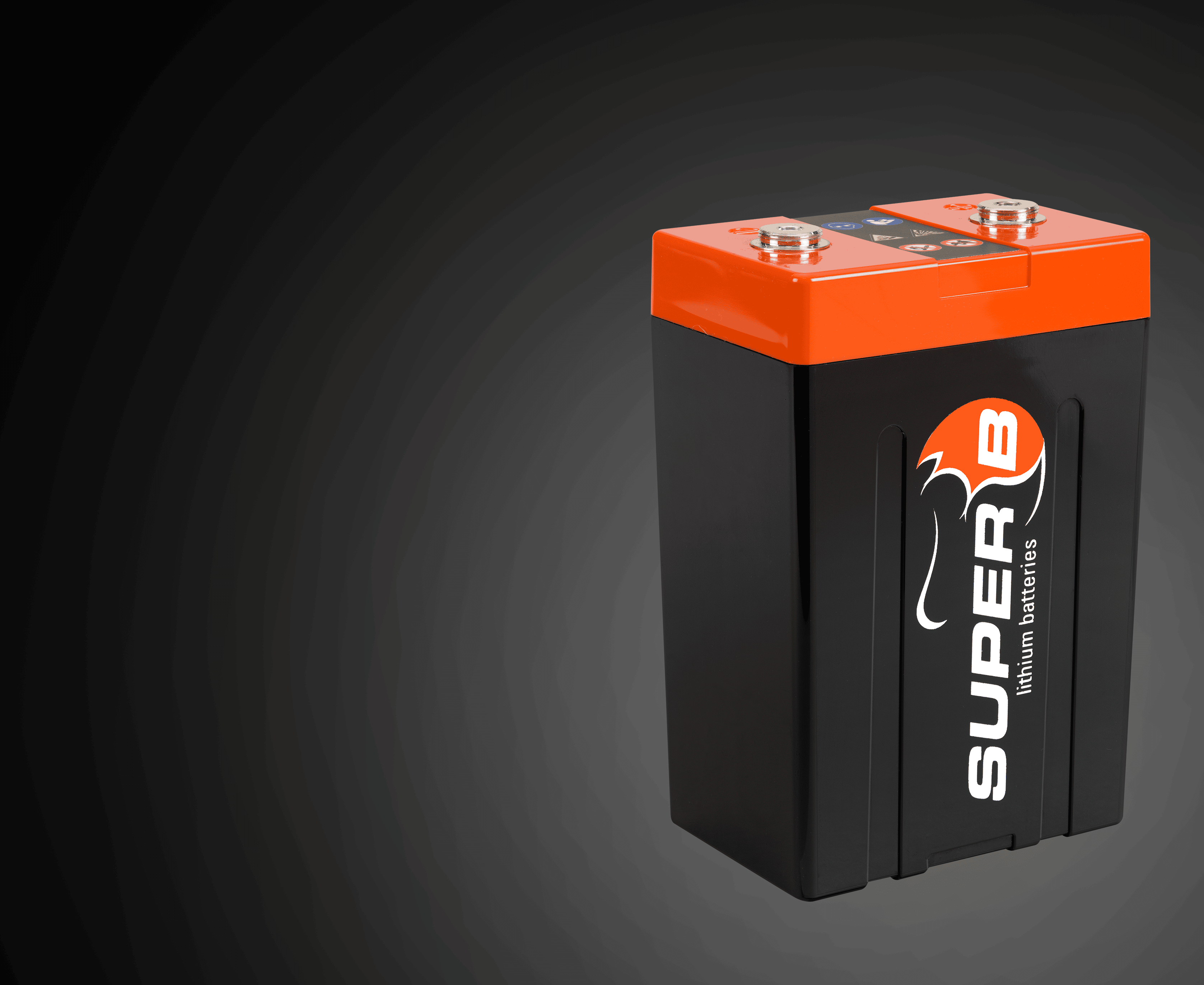
Pure performance with minimal weight. These batteries offer high cranking power and simple construction—perfect for competitive riders who prioritise every gram.

Includes an integrated Battery Management System for cell balancing and extra protection. A bit heavier but ideal for adventure rally bikes with more electronics or riders wanting plug‑and‑play safety.
Need Help Finding Your motocross Battery?
Not sure which battery fits your bike? Use our configurator to select by make, model and displacement. Our support team assists with:
- Matching CCA and capacity to engine size and accessory load
- Advising on installation and mounting
- Recommending charging practices and storage
- Field‑proven tips for rally and adventure setups
In-Depth Guide: Rally Bike Batteries
Rally raids combine the endurance of long‑distance touring with the intensity of off‑road racing. Riders face multi‑day stages through deserts, mountains and forests, often with minimal outside assistance. A rally bike battery must do far more than start the engine: it powers navigation instruments, lights, cooling fans and sometimes heated grips. It needs to be light to maintain agility, strong enough to handle violent impacts and reliable enough to perform in extreme temperatures. Choosing the right battery is a critical part of preparation for any rally or long adventure ride.
Power Requirements: More Than Just Starting
High‑compression engines found in modern rally bikes require significant cranking power to fire. After a crash or stall in deep sand, you need the engine to restart immediately. A battery with high cold‑cranking amps (CCA) ensures the starter motor spins fast enough for quick ignition. Rally events also involve hours of continuous travel; during liaison sections the bike runs at steady speed with lights, fans and roadbooks drawing current. Lithium rally batteries maintain voltage under load and deliver consistent power throughout the stage. This stability prevents misfires and ensures electronic fuel injection and navigation equipment function correctly.
Weight and Handling
A heavy battery mounted high in the chassis negatively affects handling. Rally bikes carry extra fuel, navigation towers, skid plates and spares, so saving weight wherever possible matters. Lithium batteries typically weigh 2–3 kg less than equivalent lead‑acid units. The reduction lowers the centre of gravity and makes the bike more responsive, especially in technical sections. It also reduces rider fatigue over long days. Small differences compound over hundreds of kilometres, giving an edge in control and speed.
Durability: Vibration, Shock and Environment
Rally routes include rocky riverbeds, sand dunes and washboard tracks that generate severe vibration. Lead‑acid batteries have internal plates that can fracture under such conditions. LiFePO₄ cells are solid‑state and mounted in shock‑resistant casings. They resist mechanical damage and maintain electrical connections despite continuous pounding. Furthermore, LiFePO₄ operates safely from −20 °C to +60 °C, making it suitable for cold mountain mornings and scorching desert afternoons. Water crossings and mud are no issue for properly sealed lithium batteries.
Capacity and Accessory Load
Rally bikes often carry a roadbook reader, odometer, GPS, cooling fan and auxiliary lights. These devices draw current continuously for hours. A battery with sufficient amp‑hour (Ah) capacity ensures these accessories run without draining the battery below starting voltage. Lithium batteries provide more usable capacity because they can discharge deeper than lead‑acid without damage. When selecting a battery, consider the average current draw of your electronics and choose a capacity that offers headroom for unexpected demands like high ambient temperatures or extended night stages.
Charging and Maintenance
During multi‑day rallies, riders may only have brief opportunities to recharge. Lithium batteries accept higher charge currents and can reach a usable state of charge quickly. With a compatible charger, a lithium pack can top up to 80–90 % within an hour, making quick midday charges feasible. Low self‑discharge means that between races or training sessions, the battery holds its charge without needing constant maintenance. For long storage periods, keep the battery between 50–70 % charge and in a cool environment to maximise life.
Safety and Integrated Protection
LiFePO₄ chemistry is inherently stable and non‑flammable, making it safer than other lithium formulations. Many rally riders choose batteries with integrated Battery Management Systems (BMS) that monitor cell voltage and balance cells during charging. A BMS also protects against over‑charge, over‑discharge and overheating. Riders who prioritise absolute minimum weight may opt for BMS‑free batteries, but they must use dedicated chargers and occasionally check cell voltages to prevent imbalance.
Selecting the Right Battery
Choosing the right battery involves balancing engine size, accessory load, weight considerations and personal preferences. For lightweight single‑cylinder rally bikes (250–450 cc), a 5 Ah lithium battery with high cranking output is often enough. Mid‑size bikes (500–700 cc) or those running multiple electronics benefit from 7.5 Ah packs. Large twins or heavily equipped machines may require 10 Ah or more to maintain power for navigation and cooling systems. Riders who want a built‑in safety margin can choose a 15 Ah battery with a BMS for extra reserve and protection. Ultimately, consider your worst‑case scenario—night stages with high accessory use—and choose a battery that exceeds those demands.
Frequently asked questions
Some frequently asked questions regarding batteries for Motocross bikes.
Rally batteries are designed to handle extreme vibration, deep discharges and heavy accessory loads while remaining lightweight. They offer higher cranking power, larger usable capacity and greater durability than standard road‑bike batteries.
A BMS adds cell balancing and protection, making it ideal for riders who want a plug‑and‑play solution. Weight‑conscious racers sometimes choose batteries without a BMS but must use dedicated chargers and monitor voltage manually.
High‑quality LiFePO₄ batteries provide thousands of cycles and typically last 5–10 years with proper care, far longer than lead‑acid equivalents.
Use a charger specifically designed for LiFePO₄ or one with a lithium mode to avoid over‑charging or damaging the cells.
Store at 50–70 % charge in a cool, dry place (10–25 °C). Avoid leaving it fully charged or completely drained for extended periods.
Yes. LiFePO₄ performs reliably across a wide temperature range. In very cold conditions, a brief load (turning on lights) warms the battery to improve cranking performance.
Removing even 2 kg from the subframe noticeably improves agility and reduces rider fatigue over long stages. Weight savings also reduce stress on suspension and chassis.
Absolutely. Choose a capacity that matches your total accessory draw. Larger lithium packs can handle heated gear, fans and lighting without sacrificing starting reliability.
LiFePO₄ chemistry is stable and non‑flammable. Rugged casings protect cells during impacts, and integrated BMS units can shut down the battery in unsafe conditions.
Take depleted batteries to a certified recycling centre. Never throw them in household waste.
Ready for the Marathon?
Legal Notice: Super B starter batteries are designed for motorsport and competition use only. These batteries are not approved for use on public roads. Always consult with Super B or an authorized dealer regarding proper application for circuit racing and motorsport use.


