
Motocross Bike Batteries
Ultra‑light, extreme cranking power. Built for explosive starts and race‑winning reliability.

Why OEM Batteries Hold You Back
Stock and lead‑acid batteries are heavy and slow to deliver power. They sag under the strain of high‑compression starts and can leave you stranded if the bike sits for a week. Maintenance is a constant chore, and the extra weight dulls handling on the track. In a sport where milliseconds matter, these compromises are unacceptable.
Important: These batteries are designed for motocross and off-road use. Always check motor compatibility and manufacturer requirements.
Race‑Winning Advantages for motocross

Unmatched Cranking Power
Our lithium batteries deliver instant current, turning over high‑compression engines with authority even after long idle periods.

Race‑Ready Reliability
Your engine always starts — no more kicking or bump‑starting because the battery couldn’t keep up.

Up to 70% Lighter
The reduced weight transforms handling and acceleration, letting you fly out of corners and attack jumps with confidence.

Long Life & Fast Charging
With thousands of cycles and rapid recharge times, these batteries outlast and outperform lead‑acid several times over.

Vibration Proof
Reinforced casings and solid‑state chemistry shrug off hard landings, ruts and whoops.

Maintenance‑Free & Safe
No acid, no leaks and integrated safety electronics mean worry‑free riding.
The Right Battery for Your E-Enduro Bike
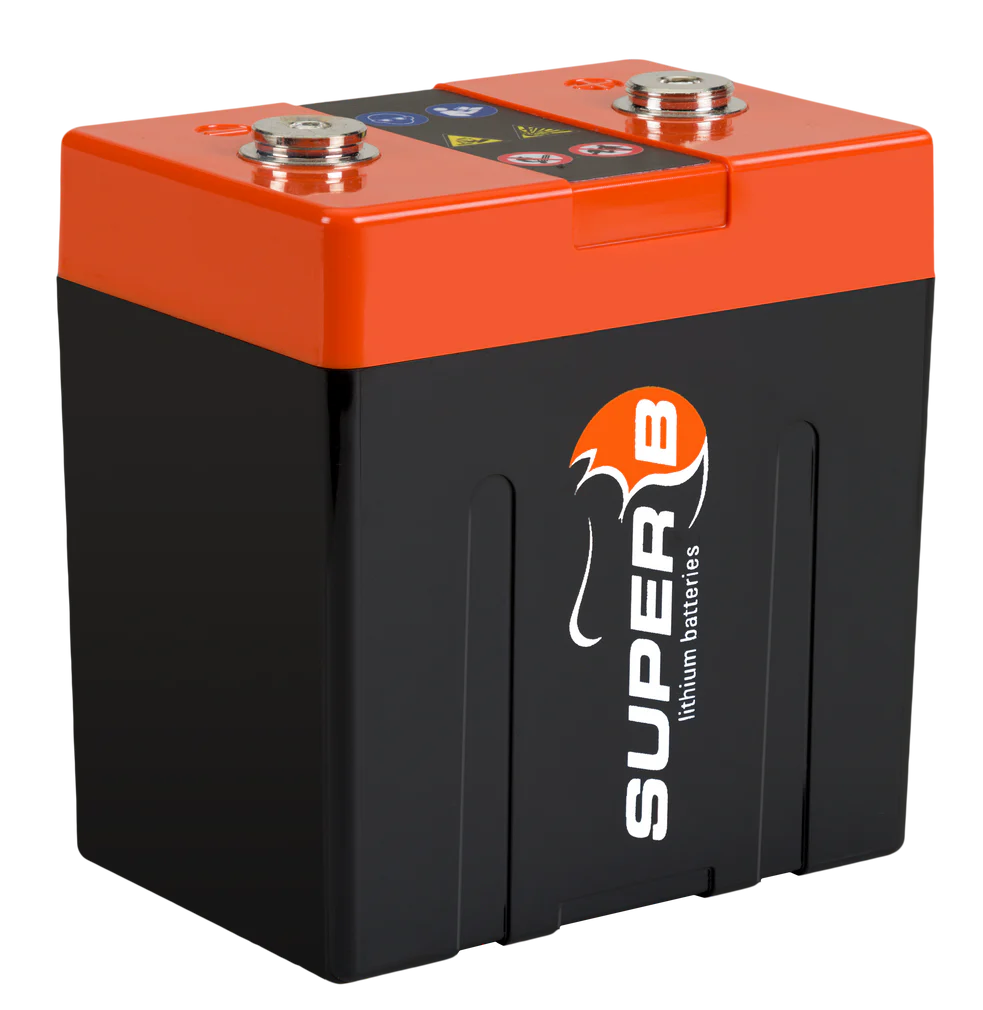
Andrena 12v10ah
For bigger‑bore motors and riders running additional electronics (electric start, fuel injection, data loggers). Reliable ignition and reserve without sacrificing agility.
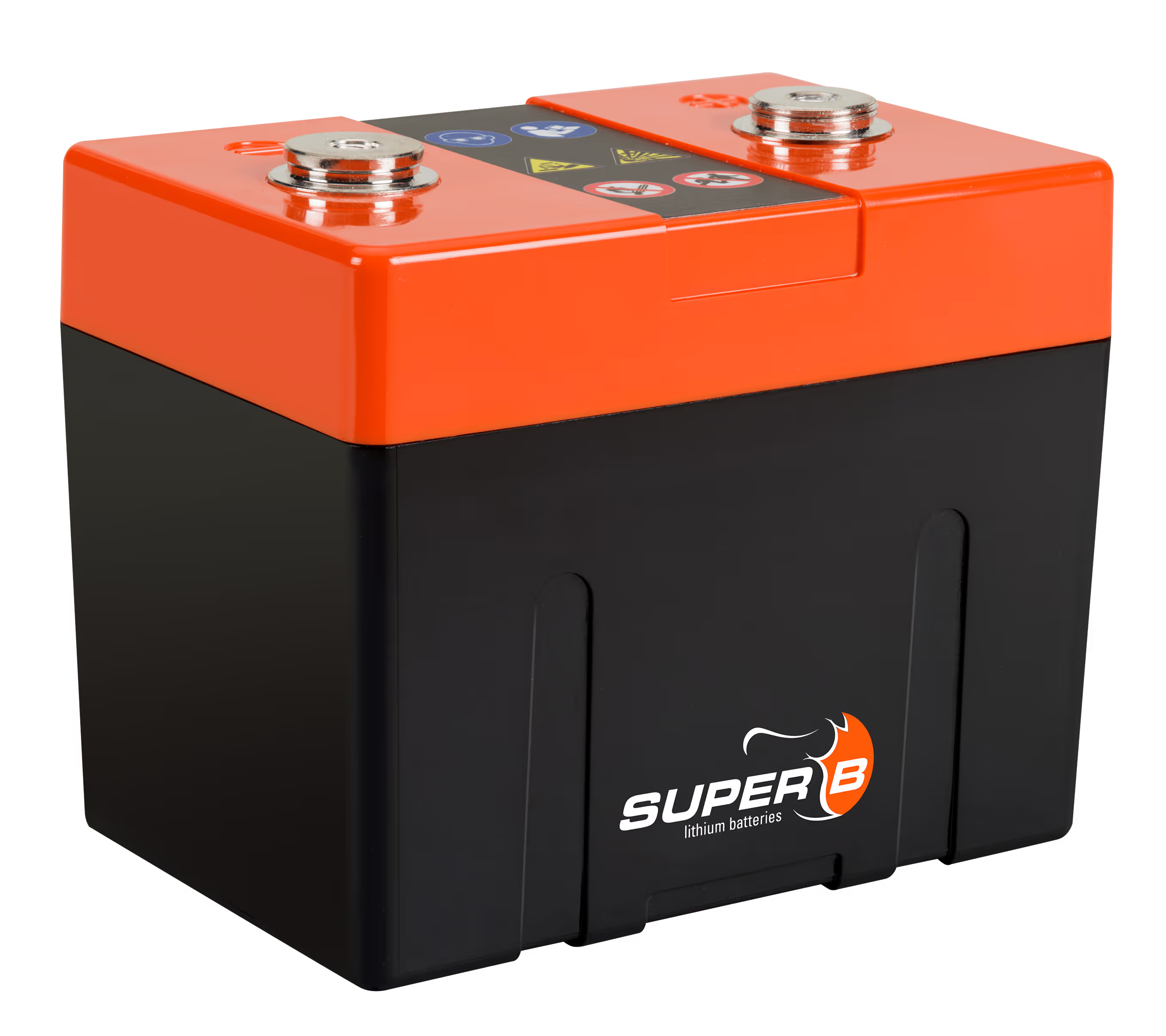
Andrena 12v7,5ah
High‑density lithium power for 450 cc race bikes. Delivers strong starting performance with minimal weight.
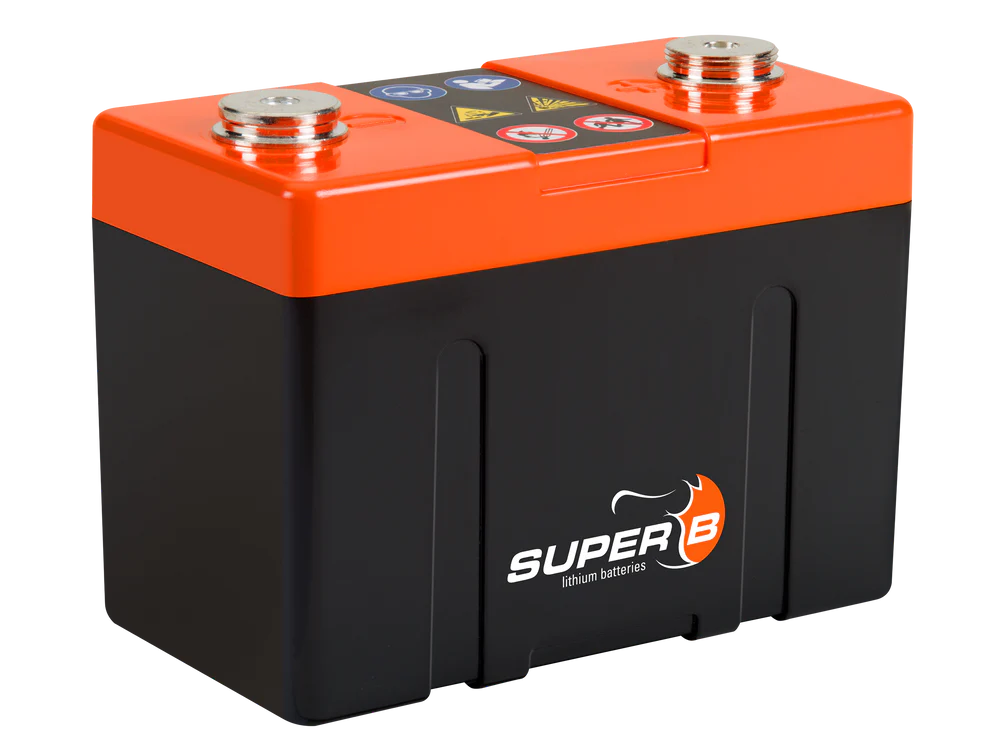
andrena 12v5ah
Ideal for 250 cc four‑stroke and smaller 450 cc engines. High cranking current in a compact package.
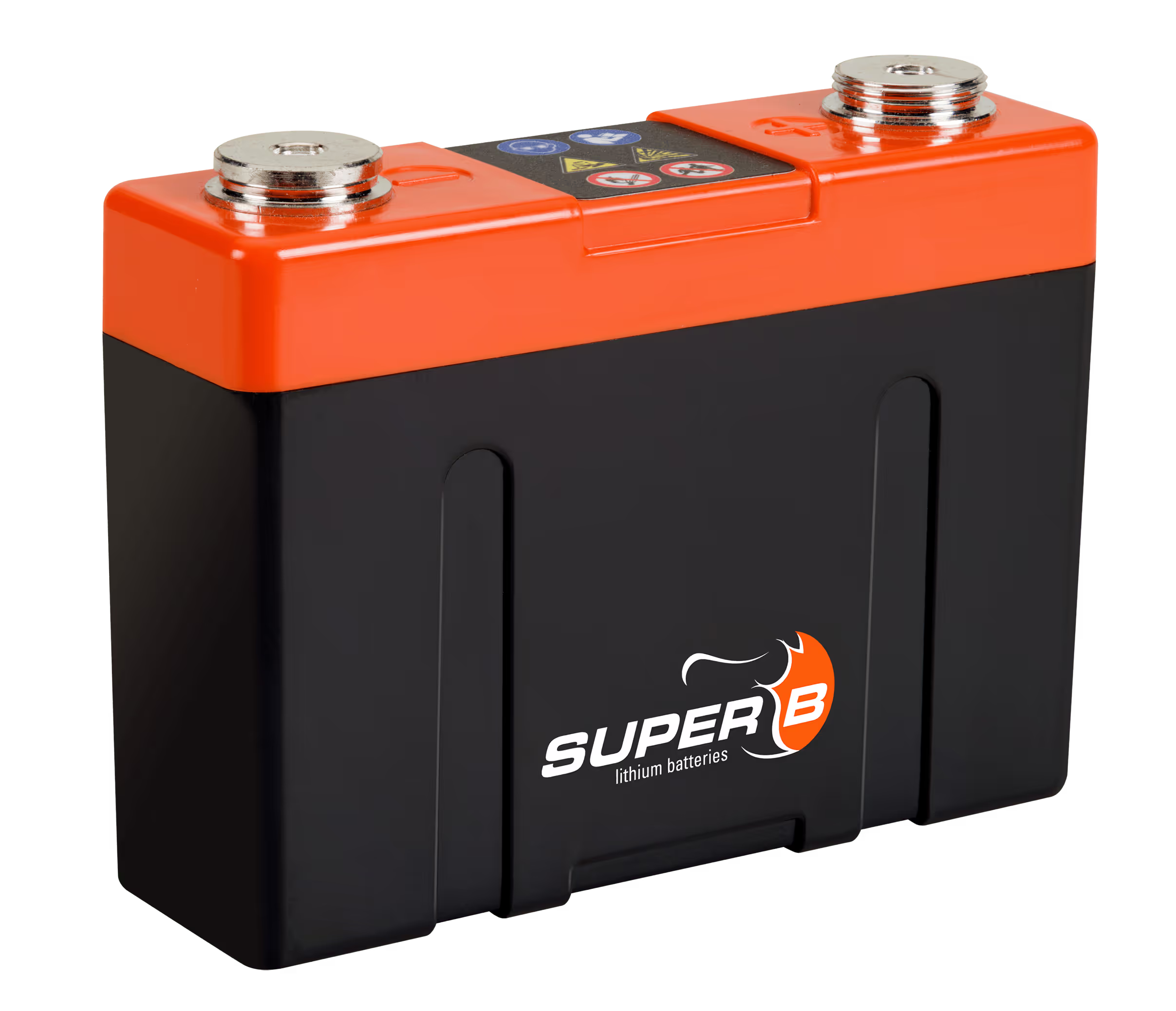
andrena 12v2,5ah
Our lightest pack for engines up to 250 cc. Perfect for 125 cc two‑strokes and mini bikes where every gram counts.
Why Lithium Outperforms Traditional Dirt‑Bike Batteries
Buy nowIn motocross, you need a battery that can handle rapid, repeated starts while resisting the punishing vibration of jumps and whoops. Lithium technology offers:
- Higher Energy Density: More power in a smaller, lighter package. Typical lead‑acid batteries weigh 4–6 kg, whereas lithium equivalents weigh 1–2 kg.
- Superior Cranking Power: Lithium batteries deliver higher cold‑cranking amps, ensuring your bike fires instantly even on cold mornings or after the gate drop.
- Extended Cycle Life: A quality lithium battery can last 5–8 years and provide 2 000 + cycles, far surpassing the 300–500 cycles of lead‑acid.
- Low Self‑Discharge: Lithium batteries lose less than 2% of their charge per month, so your bike is ready after weeks off the stand.
- No Maintenance: There is no electrolyte to refill, no sulfation, and no corrosion — install it and ride.
- Rapid Charging: Full recharge in 1–3 hours with a compatible charger, keeping downtime to a minimum during multi‑day events.
Proven in the Toughest motocross races
Trusted performance in motocross championships, amateur races and hard‑enduro events worldwide.
✓ Tested by factory teams in MXGP and AMA events under extreme conditions
✓ Proven to deliver consistent starts and voltage on rough tracks and big jumps
✓ Trusted by professional mechanics for reliability and durability
✓ Built to withstand mud, heat and high‑G impacts without failure

“Big compression four‑stroke, hot day, mid‑race restart — no problem. These batteries crank harder than anything I’ve tried and don’t flinch after a season of practice and racing.”
MX Pro Rider & Team Mechanic

Certifications & Warranty
✓ Made in Europe (Netherlands)
✓ ISO 9001 Certified
✓ Safe LiFePO₄ / Li-ion Chemistry
✓ UN38.3 Transport Approved
✓ Reinforced enduro-grade casings
✓ 3-Year Manufacturer Warranty
Why Choose Our Batteries?
We engineer high‑performance lithium batteries specifically for powersports, with a focus on motocross. Each unit is designed and assembled in Europe, meeting stringent ISO standards and safety certifications.
By combining lightweight construction with high power density, we deliver a battery that transforms the riding experience without compromise. Support teams are on hand to ensure compatibility and help with installation.
Trusted by riders who refuse to carry unnecessary weight or accept inconsistent support.
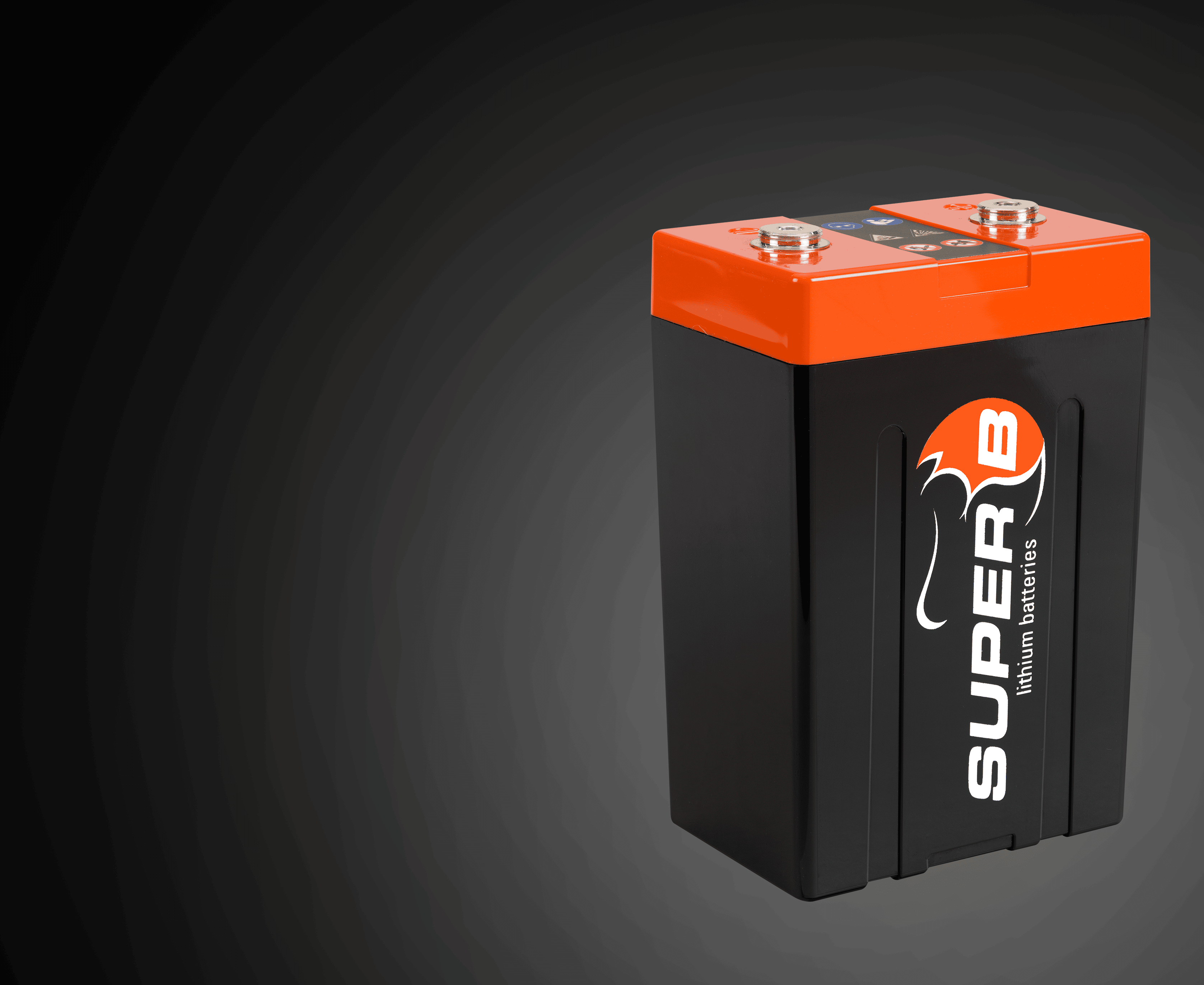
Perfect for motocross. These batteries prioritise lightness and raw cranking power, making them the ideal choice for weight‑sensitive builds. They omit complex monitoring systems to save every gram, and rely on external smart chargers for balancing.

Not typically used in motocross due to larger size and built‑in Battery Management Systems. These packs offer higher capacity and integrated protection for bigger engines or bikes with extensive electronics, but are more suited to adventure, touring or utility applications.
Need Help Finding Your motocross Battery?
Need help selecting the right battery for your bike? Our configurator allows you to choose by make, model and engine size. We also provide:
- Compatibility charts for popular motocross bikes
- Recommended chargers and charging profiles
- Installation guides and mounting hardware
- Technical support via email and phone
In-Depth Guide: Understanding Motocross Battery Demands
Motocross is one of the most demanding environments for a starter battery. High-compression engines, repeated hot restarts, constant vibration and long periods of storage between race days push batteries far beyond what normal road use demands. A motocross battery is not just responsible for starting the engine—it must deliver high cranking power every time, remain stable under abuse and keep performing season after season.
This guide dives deeper into what really matters when choosing motocross bike batteries, why lithium has become the standard upgrade, and how to select the right battery for your bike and riding style.
What a Motocross Battery Truly Has to Handle
On paper, a starter battery’s job looks simple: turn the engine over. In real motocross conditions, it must do much more. A motocross battery must deliver a short but extremely powerful current pulse to overcome high compression, do this repeatedly during restarts, and still maintain stable voltage for fuel injection and ignition systems. At the same time, it needs to survive heavy landings, constant vibration, mud, heat and wash cycles, all while often sitting unused for weeks between races.
Batteries that perform fine in street or light off-road use often fail quickly once exposed to this combination of mechanical stress and electrical demand.
Why High Cranking Power Is Critical in Motocross
High cranking power is the single most important performance factor for a motocross starter battery. Cranking power determines how quickly and confidently your engine turns over, especially on high-compression four-stroke engines. When cranking power is insufficient, you experience slow turnover, hesitation or complete failure to start—exactly when time matters most.
Lithium starter batteries excel here because they can deliver very high current in short bursts without significant voltage drop. This ensures reliable starts even when the battery is not fully charged, when the engine is hot, or when temperatures are low. For motocross riders, this translates directly into reliability: your engine always starts when you hit the button.
Reliability to Start: Confidence at the Gate and After a Crash
Mechanical reliability in motocross isn’t just about engine internals; electrical reliability plays a major role as well. After a crash or stall mid-moto, you need immediate restart power without hesitation. Traditional lead-acid batteries often lose voltage rapidly after repeated starts, especially when partially discharged.
Lithium batteries maintain a much flatter voltage curve, providing consistent output from the first start to the last. This stability ensures that fuel injection, ECU and ignition systems receive sufficient voltage at all times. Riders experience fewer misfires, faster restarts and greater confidence when racing or training hard.
Weight Reduction and Bike Handling
Reducing weight on a motocross bike improves performance in ways that are easy to feel but hard to quantify. A traditional lead-acid battery can weigh several kilograms and is typically mounted high in the subframe. This extra mass negatively affects center of gravity, suspension response and overall agility.
Lithium starter batteries can weigh up to 70% less than lead-acid equivalents. Removing this weight improves balance, makes the bike feel lighter in the air, and reduces stress on suspension and subframe components. Riders often notice easier line changes, better control during jumps and less rider fatigue over long motos.
Long Lifetime and Season-After-Season Performance
One of the hidden costs of lead-acid batteries is replacement frequency. Sulfation, vibration damage and deep discharge drastically shorten their lifespan in motocross use. Many riders replace lead-acid batteries every one to two seasons.
High-quality lithium starter batteries offer a much longer service life. They tolerate deeper discharge, recover faster after use and deliver thousands of cycles with minimal degradation. Low self-discharge also means they retain charge during long storage periods, so the bike is ready to start after weeks or even months off the track. Over time, this reliability translates into fewer failures, fewer replacements and lower total cost of ownership.
Capacity vs. Cranking Power: What Really Matters?
Battery capacity (Ah) is often misunderstood in motocross applications. While capacity determines how much energy the battery holds, cranking power determines whether the engine actually starts. For motocross bikes, cranking power should always take priority.
Smaller lithium batteries with high cranking output can outperform much larger lead-acid batteries in real-world starting situations. Capacity becomes more relevant when running additional electronics, such as cooling fans or data loggers, or when repeated starting is required during training sessions.
Choosing the right balance ensures you get reliable starts without carrying unnecessary weight.
Vibration Resistance and Structural Durability
Motocross subjects components to extreme vibration and shock loads. Washboard sections, hard landings and repeated impacts can quickly destroy batteries not designed for this environment. Internal damage, loose terminals and broken plates are common failure modes in conventional batteries.
Lithium starter batteries use rigid cell assemblies and reinforced housings that resist vibration and impact far better. This structural stability ensures consistent performance even after heavy crashes and long hours of riding on rough tracks.
Charging, Storage and Maintenance Simplicity
Many battery problems appear before the season even starts. Bikes often sit unused for long periods, slowly draining the battery. Lead-acid batteries suffer from self-discharge and sulfation during storage, frequently resulting in dead batteries at the first ride.
Lithium batteries dramatically reduce this problem. With very low self-discharge, they retain charge far longer and can often sit for months without requiring a charger. They also recharge faster and require no fluid checks, corrosion prevention or special maintenance routines. With proper lithium-compatible charging equipment, ownership becomes virtually effortless.
Safety, Protection and Battery Management
Modern lithium starter batteries are designed with safety in mind. Many include integrated protection systems that monitor voltage and prevent over-discharge or over-charging. These systems increase reliability and add an extra margin of safety during use and charging.
For race-focused applications, lighter batteries without advanced protection can be preferred to save weight, as long as correct charging procedures are followed. For most riders, integrated protection offers peace of mind without compromising performance.
The key is choosing a battery built specifically for motocross and starter applications, not generic lithium packs designed for other uses.
How to Choose the Right Motocross Battery
Selecting the right motocross battery comes down to a few core factors:
Engine size and compression determine required cranking power. Riding intensity and restart frequency influence capacity needs. Weight sensitivity affects battery size selection. Additional electronics increase energy demand. Storage habits determine how important low self-discharge is.
When these elements are matched correctly, a lithium starter battery delivers exactly what motocross demands: high cranking power, reliable starting and long-term durability without unnecessary weight.
Frequently asked questions
Some frequently asked questions regarding batteries for Motocross bikes.
For 125 cc and small two‑strokes, a 2.5 Ah battery is ideal. 250 cc to 450 cc bikes typically use 5 Ah or 7.5 Ah packs. Bigger bore or electric‑start models may benefit from a 10 Ah pack.
Higher cranking amps spin the starter motor faster, ensuring reliable ignition under heavy compression and in cold conditions.
Expect weight reductions of around 70%. A 5 Ah lithium battery can weigh under 1 kg, compared to 3 kg or more for lead‑acid.
Yes. Lithium batteries can deliver thousands of cycles and last 5–8 years with proper use, while lead‑acid often needs replacement every 1–3 years.
Modern LiFePO₄ batteries include built‑in safety electronics and are resistant to overheating, short circuits and impact. They are non‑spillable and safe to mount in any position.
Most lithium batteries are direct replacements. You may need an appropriate charger or charging mode. Always check your manual or consult our support team.
Lithium batteries have very low self‑discharge, typically under 2% per month. They remain ready after long storage periods, unlike lead‑acid which can discharge completely.
Yes. Our batteries use robust casings and internal cell structures designed to withstand the harsh impacts of motocross and hard‑enduro riding.
Ready to Upgrade Your motocross Bike?
Legal Notice: Super B starter batteries are designed for motorsport and competition use only. These batteries are not approved for use on public roads. Always consult with Super B or an authorized dealer regarding proper application for circuit racing and motorsport use.


