
Le Mans Series Batteries
Engineered for 6‑, 12‑ and 24‑hour races. Reliable power, quick recharge, and long‑term durability for endurance race cars.
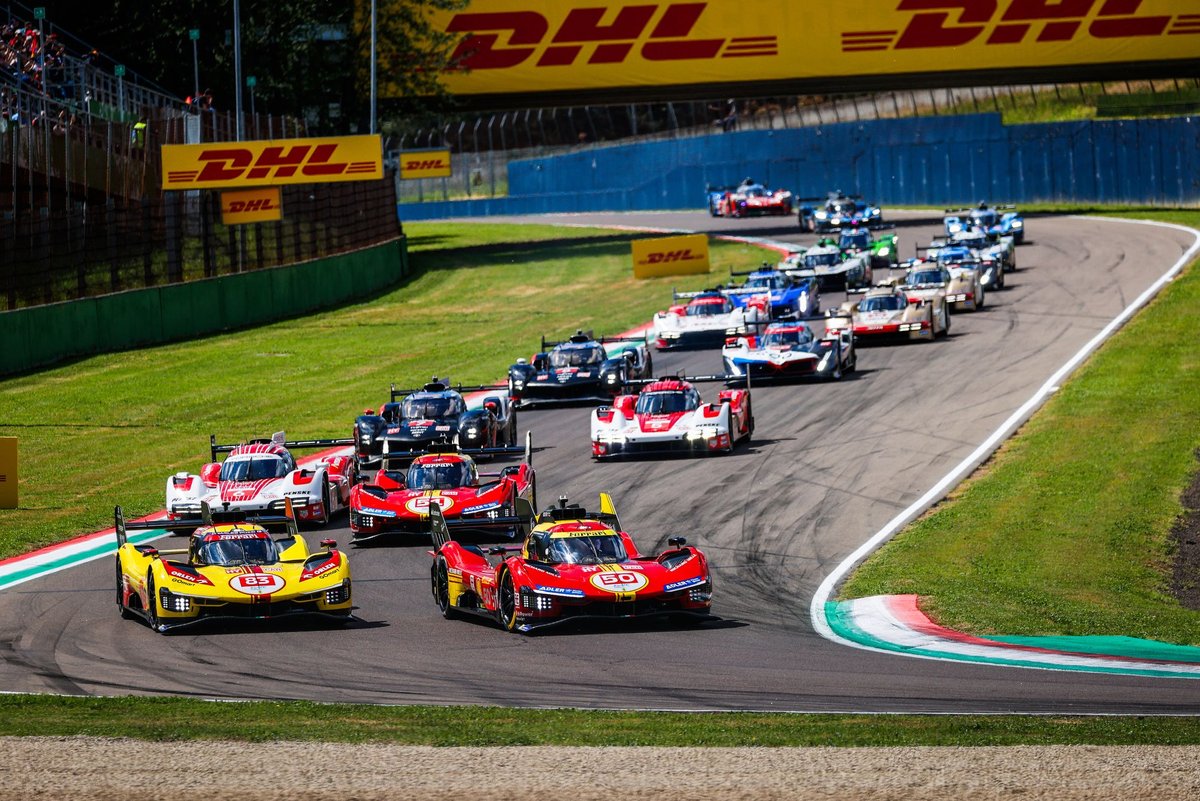
Why Standard Batteries Can’t Survive Le Mans
Endurance racing pushes batteries to their limits. Traditional batteries overheat, suffer from vibration, and lose voltage after repeated pit stops. They can’t handle heavy electrical loads from pumps, fans, telemetry and lighting for hours on end. When laps last minutes but races last days, a sluggish battery means longer stops, unreliable restarts and potential retirements. For Le Mans, you need more than a typical racing battery—you need a battery designed for extreme endurance.
Designed for Long‑Distance Reliability

High Discharge & Cranking Power
Delivers strong pulses for quick starts and restarts, even when running high‑compression engines and multiple accessories.

Double the Cycle Life
Built with premium cells and reinforced construction, these batteries last up to twice as long as conventional racing batteries, delivering hundreds of deep cycles without performance loss.

Extreme Vibration Resistance
Reinforced internal connections and durable housings handle constant vibration and shock, preventing failures during 24‑hour stints.

Rapid Recharge Capability
Low internal resistance allows fast charging in the pits, so you can recover energy quickly between stints.

Deep Reserve Capacity
Designed to power fuel pumps, data loggers, coolers and lights for extended periods without voltage sag.

Wide Temperature Range
Operates reliably from −40 °C to 60 °C, ensuring consistent performance in the heat of summer or the chill of night racing.

Maintenance‑Free & Non‑Spill
Sealed design eliminates acid spills and maintenance tasks, making these batteries safe and easy to install.
The Right Battery for Your Endurance Race Car
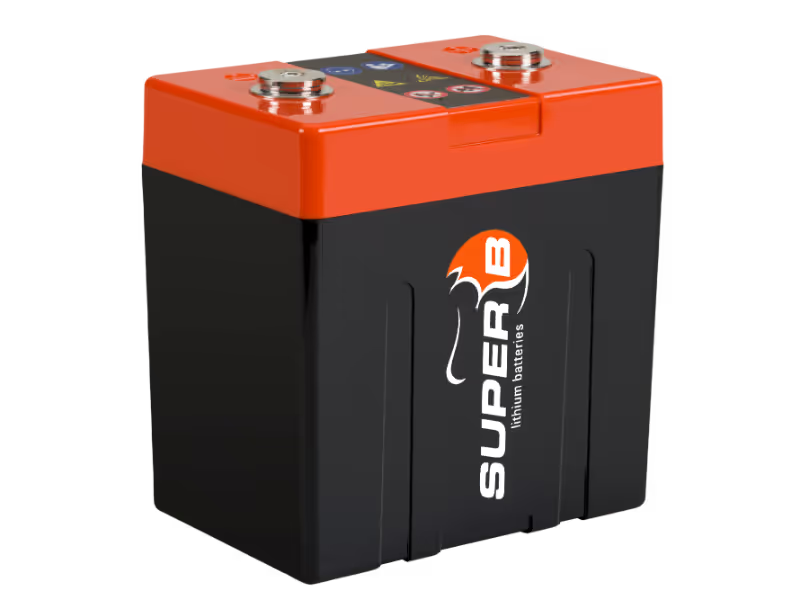
Andrena 12 V 25 Ah
Maximum reserve and power for larger displacement engines and cars with extensive electronic systems. Designed for demanding endurance events and night racing.
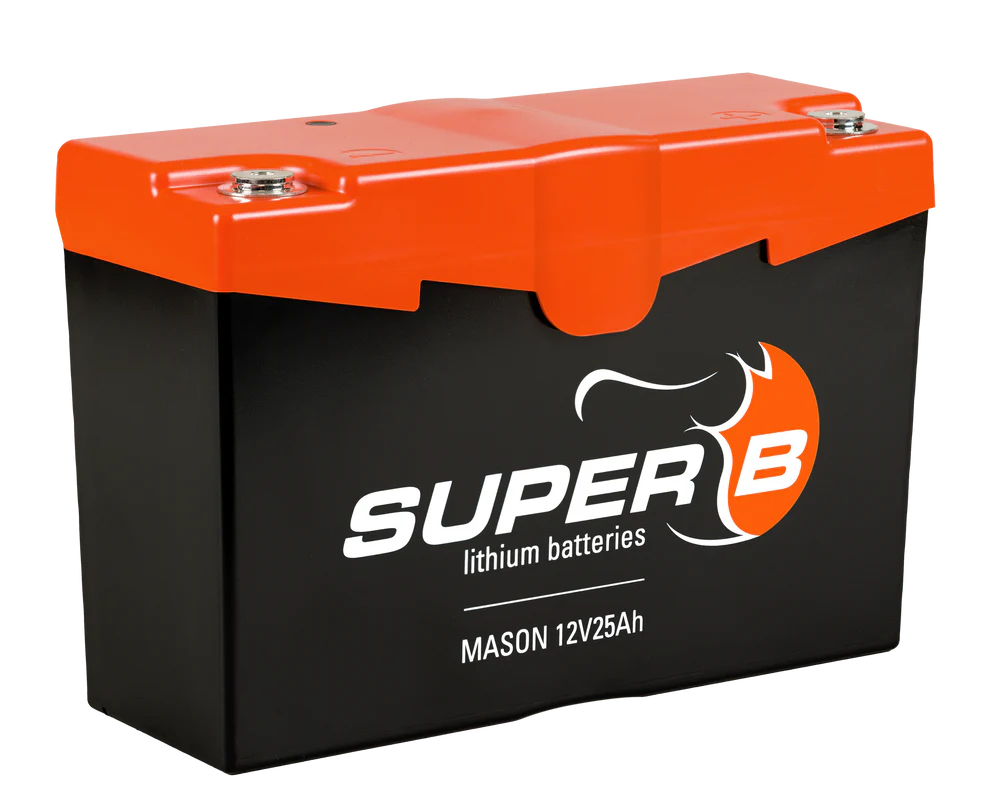
mason 12v20ah (with BMS)
Offers the same cranking and capacity as the Andrena 20 Ah but with an integrated BMS for cell balancing and added protection. Ideal for teams that prioritise convenience and safety.
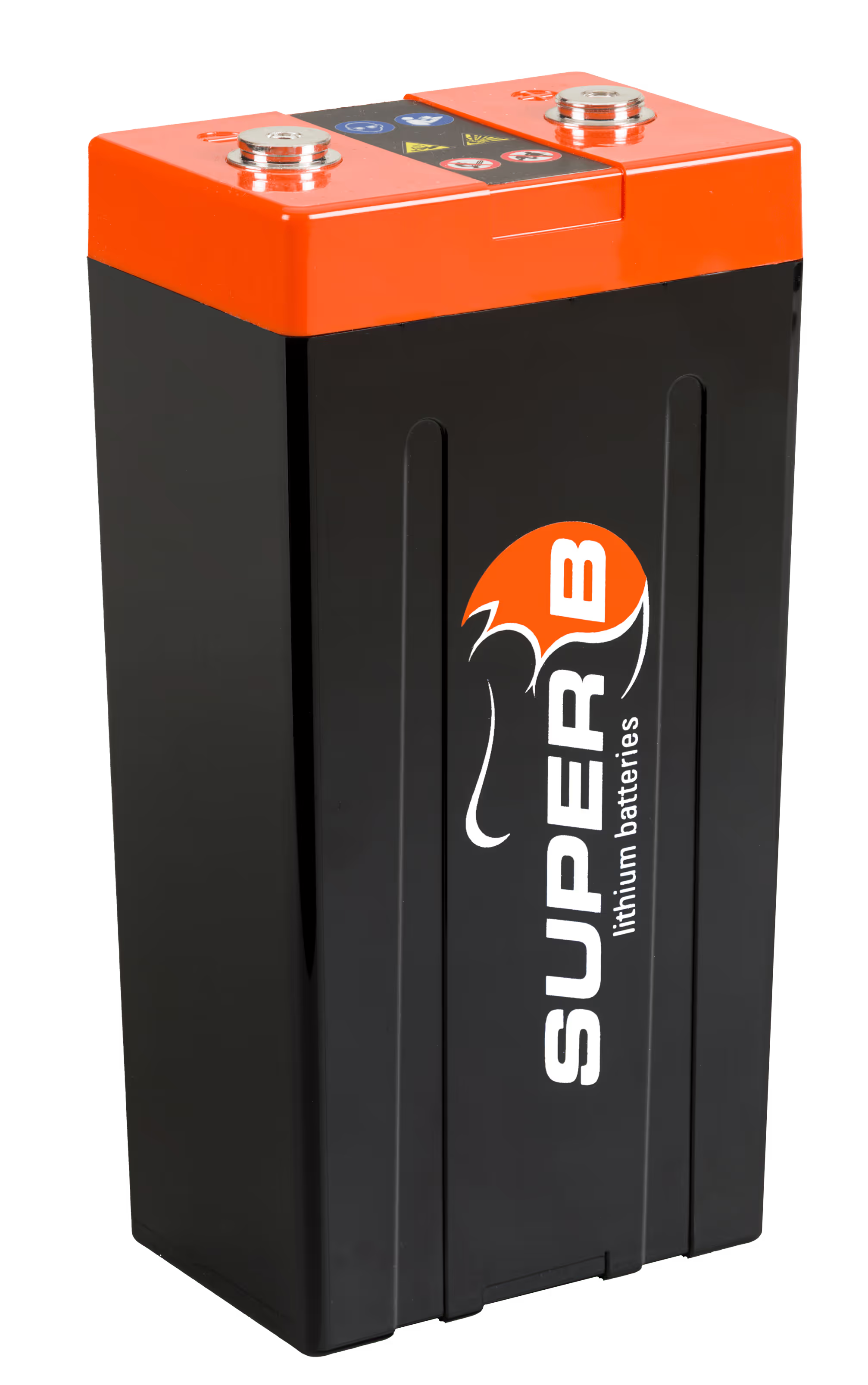
Andrena 12V20Ah
High‑capacity lithium pack ideal for GT and prototype cars up to 2.0 L. Delivers rapid cranking and sufficient reserve for pumps and fans during long stints.
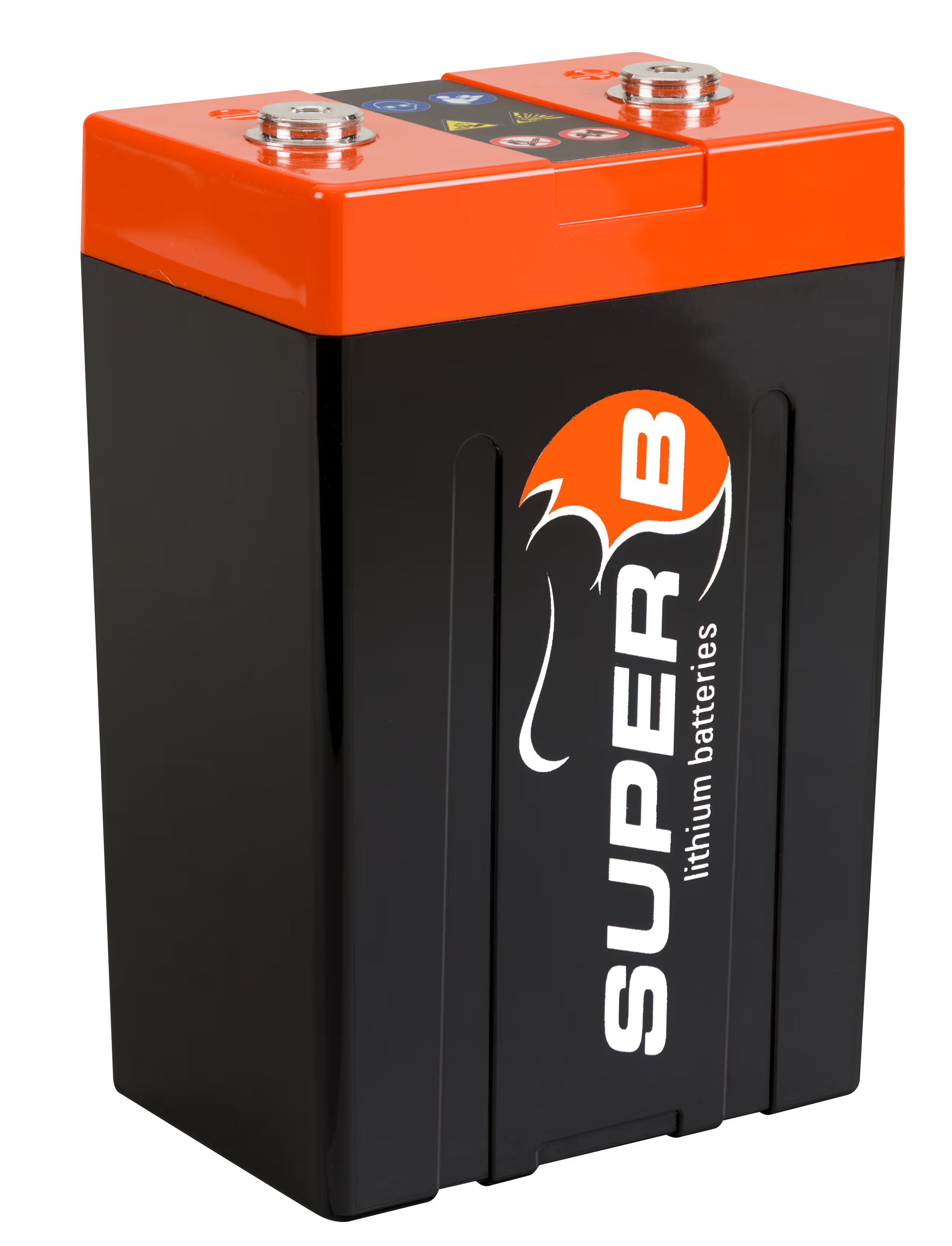
Mason 12 V 25 Ah (with BMS)
High‑endurance battery with BMS and extra reserve capacity. Perfect for multi‑driver teams, LMP and GT cars with heavy loads, and long-distance rally raids.
Why Lithium Endurance Batteries Excel
Buy nowEndurance racing is unique—cars must be reliable over tens of thousands of kilometres, with constant electrical demand and vibration. Lithium batteries designed for Le Mans series racing offer key advantages:
- Superior Power Density – Lithium packs deliver more energy per kilogram than AGM or lead‑acid, cutting valuable weight without sacrificing capacity or power.
- Consistent Voltage Output – Voltage remains near nominal across the discharge curve, keeping ECUs, pumps and cooling fans running at peak efficiency.
- Fast Recovery Time – Low internal resistance means high charge acceptance, so the battery recharges quickly during pit stops.
- High Shock & Heat Tolerance – Built with reinforced plate connections and solid‑state cells to survive the violent vibrations and high temperatures typical of endurance racing.
- Extended Cycle Life – Designed to withstand hundreds of deep discharge cycles, providing reliable performance across multiple seasons.
- Safe Chemistry – Lithium Iron Phosphate (LiFePO₄) chemistry offers thermal stability and low risk of thermal runaway. Sealed construction prevents spills and allows flexible mounting.
Trusted across the endurance racing world
✓ Proven in the 24 Hours of Le Mans, WEC, IMSA and other long‑distance championships
✓ Used by GT, LMP and touring car teams for reliable power and rapid recharge
✓ Withstands the constant vibration and high loads of multi‑driver races
✓ Endorsed by race engineers for weight savings, voltage stability and long life

"Switching to these endurance batteries cut our pit‑stop recharge time in half and eliminated voltage dips during the night. After a full season, the batteries still perform like new—one of the smartest upgrades we’ve made."
Endurance Race Team Engineer

Certifications & Warranty
✓ Made in Europe (Netherlands)
✓ ISO 9001 Certified
✓ Safe LiFePO₄ / Li-ion Chemistry
✓ UN38.3 Transport Approved
✓ Reinforced enduro-grade casings
✓ 3-Year Manufacturer Warranty
Why Choose Our Batteries?
We design and manufacture our Le Mans series batteries in Europe, using high‑quality LiFePO₄ cells, robust housings and precision assembly. Every battery undergoes testing for vibration, thermal stability and electrical performance. Our three‑year warranty and dedicated technical support ensure reliability on track. When you choose our batteries, you’re investing in consistent performance and long‑term savings.
Trusted by drivers who refuse to carry unnecessary weight or accept inconsistent support.
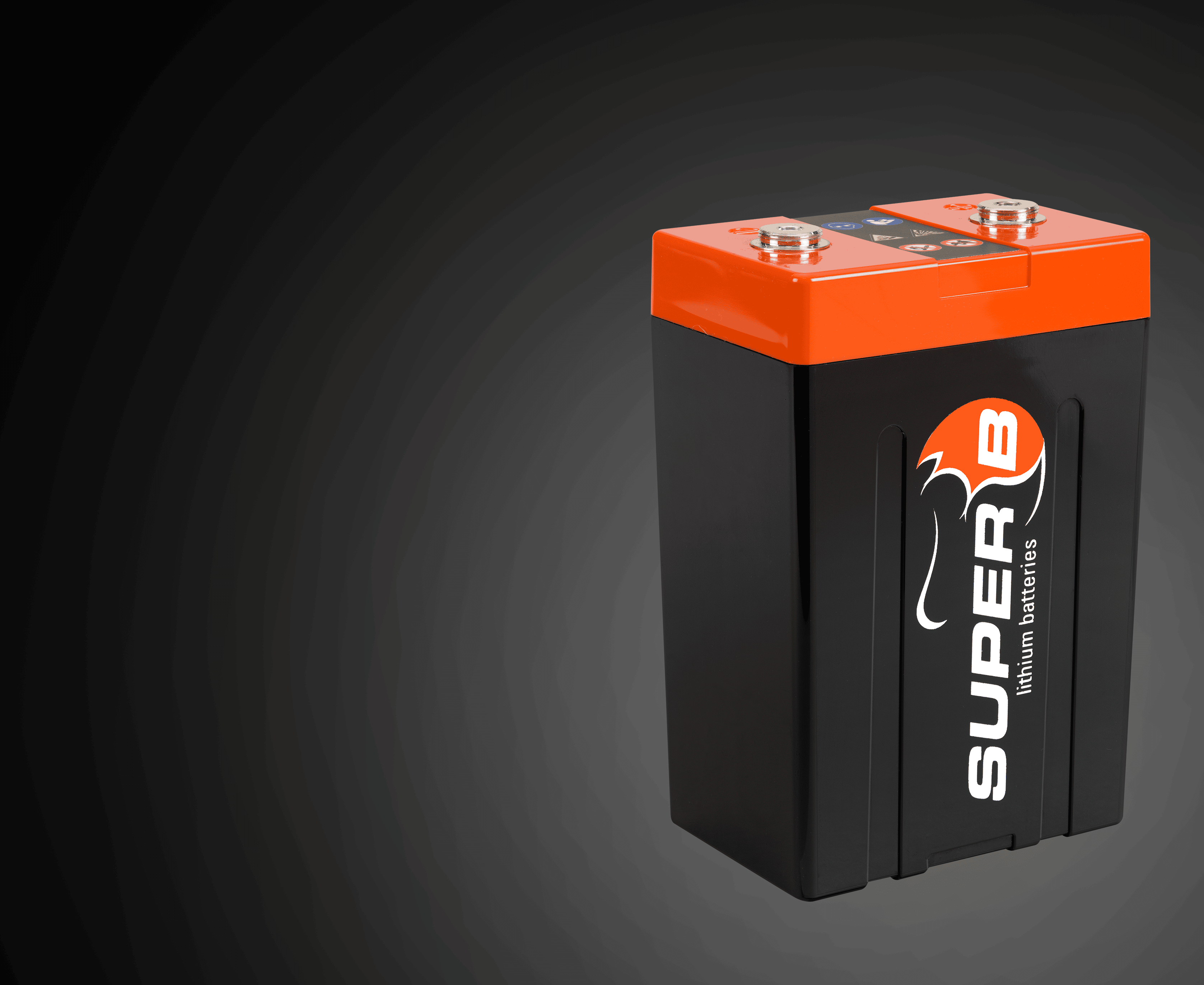
Maximum performance and minimal weight. Designed for racers who want pure cranking power with no built‑in BMS. Use with a compatible charger and monitoring routine for optimal performance.

Includes an integrated Battery Management System for cell protection and balancing. Slightly heavier but ideal for rally raids and long‑distance events where safety and deep-cycle resilience are paramount.
Need Help Finding Your Battery?
Unsure which battery fits your endurance race car? Use our configurator to match your make, model and engine size. Our support team can help with:
- Determining appropriate cranking current and capacity
- Advising on safe mounting and battery relocation
- Recommending chargers and charging procedures
- Providing tips on storage and maintenance during off‑season
In‑Depth Guide: Le Mans Series Batteries
The Demands of Endurance Racing
Le Mans‑style racing is a marathon. Cars run non‑stop for 6, 12 or 24 hours with multiple drivers, relentless high‑speed stints and heavy electrical demands. A battery must start high‑compression engines, power fuel pumps, fans, lights, radios and data systems, and survive thousands of kilometres of vibration. Traditional batteries overheat, suffer from vibration damage and fade quickly. Endurance batteries are engineered to deliver consistent performance through long races, high shock loads and rapid charge cycles.
Cranking Power & Energy Reserve
Starting the engine is only the beginning. Cold‑cranking amps (CCA) measure a battery’s ability to provide a strong burst of current. High‑performance endurance batteries deliver up to 2250 A pulses for quick starts. After starting, the battery must provide continuous current—known as reserve capacity—for pumps, fans, lights and telemetry. Deep reserve ensures the battery maintains voltage when the alternator isn’t providing full charge, such as in caution periods or pit stops.
Vibration & Shock Resistance
Endurance circuits like Le Mans and Sebring feature rough surfaces and kerbs. Continuous vibration and shock can cause internal plates to loosen or crack in traditional batteries, leading to failure. Endurance batteries use reinforced intercell connections and absorbed glass mat (AGM) or lithium cells secured in shock‑resistant housings. This design resists vibration and allows the battery to be mounted in multiple orientations without leaking.
Fast Recharge & Thermal Management
Pit stops are brief. A battery must accept a high recharge current quickly while maintaining safe operating temperatures. Low internal resistance allows lithium batteries to recharge rapidly without overheating, while a wide operating range (down to −40 °C and up to 60 °C) ensures reliability from cold starts to night racing. Fast recharge capability is vital in events like Le Mans, where time in the pits can decide victory.
Long Cycle Life & Low Self‑Discharge
Endurance races put batteries through repeated deep discharges and quick recharge cycles. LiFePO₄ batteries can handle hundreds of deep cycles and thousands of shallow cycles without losing capacity. They also have very low self‑discharge—less than 3 % per month—so they remain ready after the car sits between races. This long life reduces the need for frequent replacements and cuts long‑term costs.
Safety & Maintenance
Safety is paramount when high currents and long run times are involved. LiFePO₄ chemistry is stable and non‑flammable, and our batteries use sealed cases to prevent leaks. Some models include integrated Battery Management Systems to monitor cell voltage, temperature and state of charge, shutting down the battery if conditions become unsafe. Maintenance is minimal: there’s no need to top up electrolyte or worry about acid spills. Store at 50–70 % charge in a cool place between races to maximise life.
Choosing the Right Battery
When selecting an endurance battery, consider:
- Engine Size & Cranking Needs – Larger engines require higher CCA. Choose a battery with at least 20 % more cranking power than your engine’s minimum requirement.
- Electrical Load – Calculate the combined draw of pumps, fans, lights, telemetry and other electronics. Select a capacity that supports these loads for your longest stints.
- Race Duration – Shorter races might use 20 Ah batteries, while 24‑hour events may require 25 Ah or more.
- Weight vs. Safety – Decide between BMS‑free (lightest weight) and BMS‑integrated batteries (added protection and convenience).
- Mounting & Space Constraints – Ensure the battery fits your compartment and meets regulatory requirements.
Matching these factors to the right battery ensures reliable starts, consistent voltage and long‑term durability.
Frequently asked questions
Some frequently asked questions regarding lithium batteries.
Most endurance race engines require between 400 A and 800 A. Choose a battery with at least 20 % higher CCA than the minimum to account for temperature variations and accessory loads.
Yes. Endurance batteries are built for long run times and constant load, with reinforced vibration resistance, deeper reserve capacity and faster recharge rates. They provide consistent voltage over long stints and survive hundreds of deep cycles.
A BMS monitors cell voltages and temperature, balances cells during charging and protects against over‑charge or deep discharge. BMS‑equipped batteries offer added safety and convenience, but add some weight. Race teams seeking the lightest option may choose BMS‑free batteries and manage charging externally.
With proper care, LiFePO₄ endurance batteries typically last 5–10 years and provide hundreds of deep cycles. They outlast lead‑acid and AGM batteries and reduce replacement costs over time.
Yes. Lithium batteries are sealed and can be mounted in any orientation. However, avoid areas with excessive heat (near exhaust) and ensure the battery is securely mounted with proper brackets and insulation.
With a high‑output charger and good cooling, lithium endurance batteries can reach 80–90 % charge in 30–60 minutes, fitting within typical pit stop durations.
Disconnect the battery, charge it to 50–70 % and store it in a cool, dry place (10–25 °C). Check voltage every few months and top up if needed.
Yes. Removing 5–10 kg from the front of a race car improves acceleration, braking and handling. Weight reduction also reduces stress on suspension components.
Use a charger designed for LiFePO₄ or one with a lithium mode. Traditional lead‑acid chargers can over‑charge or damage lithium cells.
Our batteries combine high power density, fast recharge capability, reinforced construction and rigorous testing. Designed in Europe and backed by expert support, they deliver reliable power and long life in the most demanding endurance environments.
Ready to Go the Distance?
Legal Notice: Super B starter batteries are designed for motorsport and competition use only. These batteries are not approved for use on public roads. Always consult with Super B or an authorized dealer regarding proper application for circuit racing and motorsport use.


