
F4 Batteries
Ultra‑light, race‑ready power. Engineered for Formula 4 cars.

Why Standard Batteries Fail in F4
F4 racing demands more than a stock battery can offer. Traditional lead‑acid and AGM units are heavy, slow to recharge and quickly lose voltage under repeated restarts. They struggle with high G‑forces, extreme temperatures and the constant vibration of a race chassis. Every extra kilogram costs lap time. A heavy or underperforming battery is a liability, costing you acceleration, braking and confidence. To win races, you need a battery designed specifically for Formula4.
Built for the Formula4 Grid

Explosive Cranking Power
Delivers high bursts of current for immediate ignition, ensuring fast pit‑lane starts and quick recoveries after spins.

Consistent Voltage Output
Maintains a steady voltage during race‑long runs, powering ECU, fuel pumps and data systems without dips.

Super‑Lightweight Construction
Up to 80 % lighter than lead‑acid batteries, saving critical weight and improving weight distribution.

Vibration & G‑Force Resistant
Rugged cases and solid internals withstand high G‑loads, kerb hits and continuous vibration.

Safe & Maintenance‑Free
LiFePO₄ chemistry is thermally stable and spill‑proof. No acid, no gas venting, no corrosion.

Rapid Recharge & Low Self‑Discharge
Recharges fully in minutes between sessions and retains charge during off‑weeks without maintenance.

Long Cycle Life
Designed to last multiple seasons with thousands of charge cycles, reducing replacement frequency.
The Right Battery for Your F4 Car
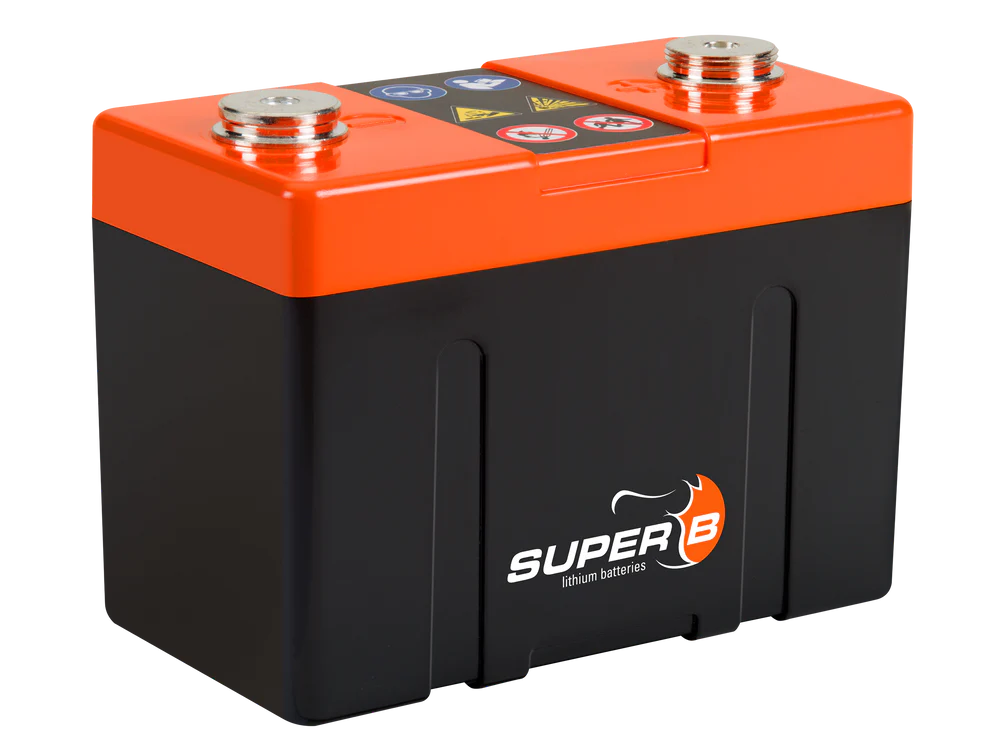
Andrena 12 V 5 Ah
Ultra‑light, high‑cranking battery for 1.4–1.6 L F4 engines. Ideal for sprint races and minimal electrical loads.
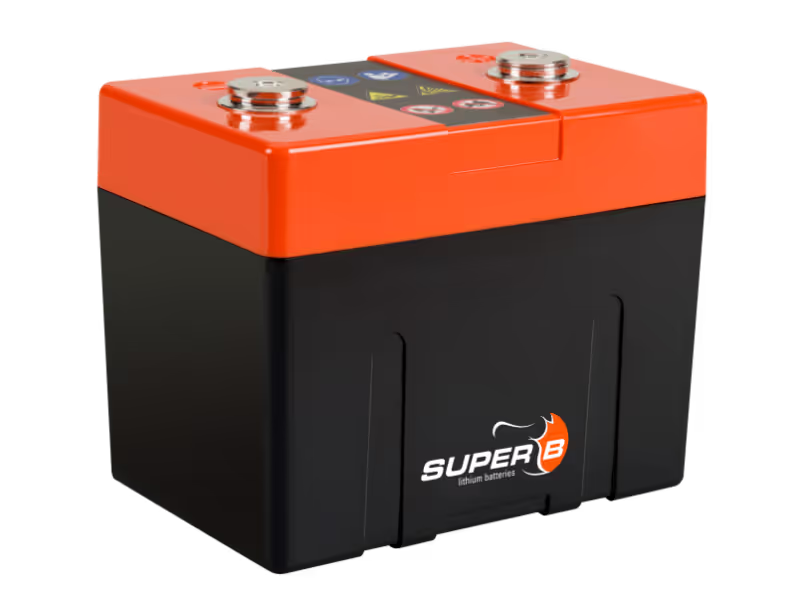
Andrena 12 V 7.5 Ah
Balanced power and reserve for F4 cars with telemetry, coolers or additional electronics. Offers strong starts and enough capacity for longer sessions.
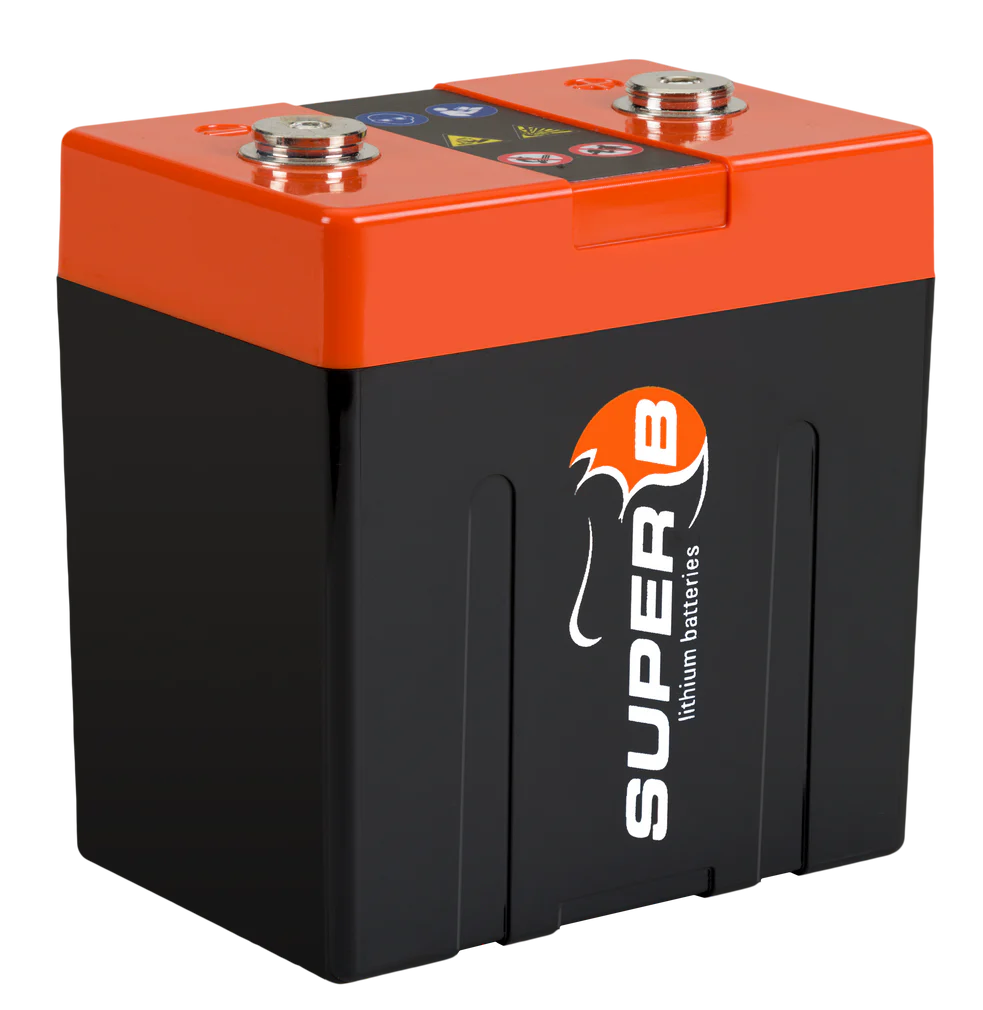
Andrena 12 V 10 Ah
High‑performance option for extended endurance races or hotter climates where extra reserve is essential.
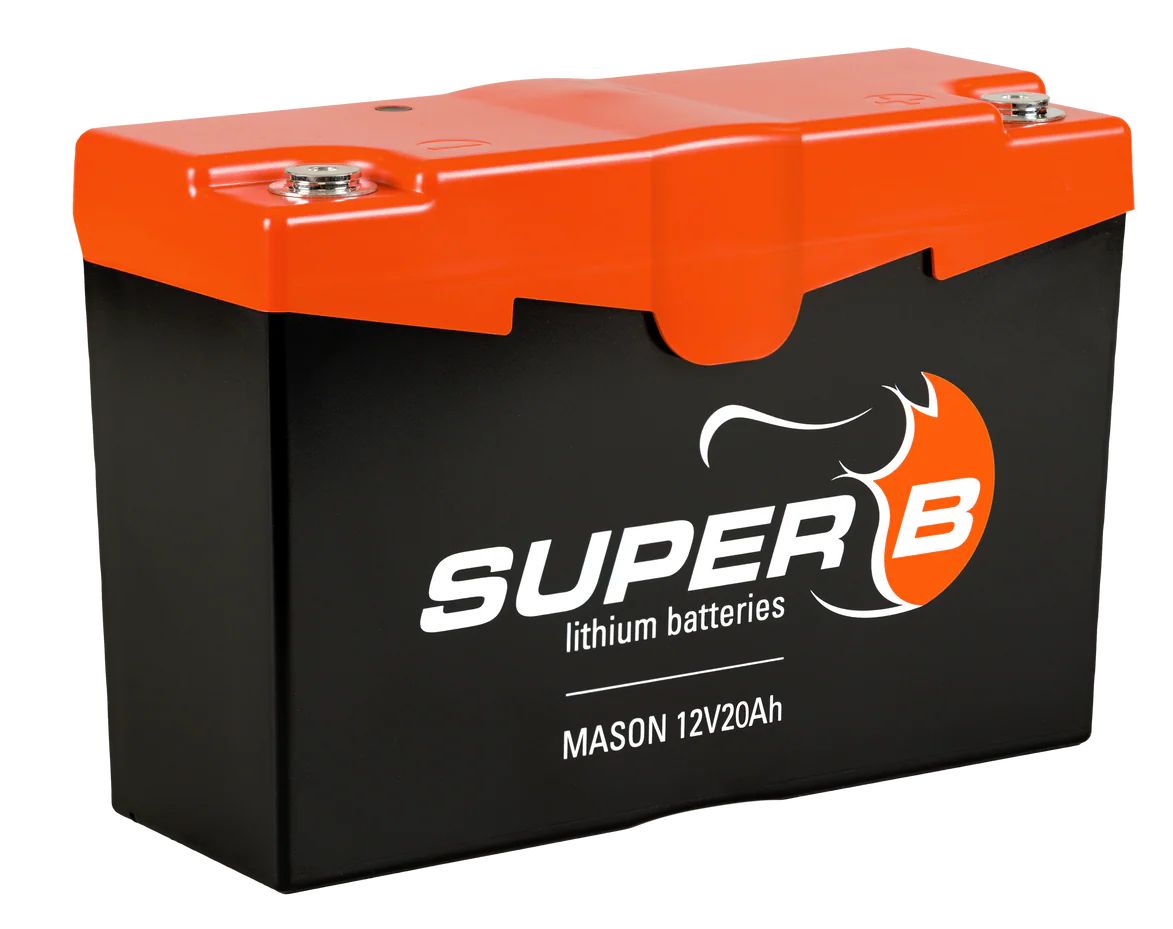
Mason 12 V 20 Ah
For teams requiring integrated cell balancing and added safety. Perfect for endurance events or training days with multiple sessions.
Why Lithium Is the Perfect Formula 4 Battery
Buy nowFormula 4 cars operate at the bleeding edge of performance. Every component must offer maximum output at minimum weight. Here’s why Lithium Iron Phosphate (LiFePO₄) batteries stand out:
- Power‑to‑Weight Ratio – Lithium cells provide more power in less space, dramatically cutting weight without sacrificing cranking power.
- Stable Discharge Curve – Voltage remains near nominal for most of the discharge cycle, ensuring reliable operation of ECU and electronics.
- High Charge Acceptance – Lithium batteries can absorb charge quickly, making them ideal for short sessions with limited time between runs.
- Extreme Environment Tolerance – They remain stable across the wide temperature swings and G‑forces experienced on track.
- Built‑In Safety – LiFePO₄ is inherently non‑flammable. Optional BMS systems add cell balancing and over‑charge protection.
Proven on the Formula 4 circuit
✓ Used by teams across national and regional F4 championships
✓ Delivers consistent cranking and voltage for race‑long reliability
✓ Tough enough to handle high G‑loads and vibration from kerbs and bumps
✓ Praised by engineers for weight savings and ease of charging

"Switching to a lightweight lithium battery gave our F4 car quicker starts and shaved kilos from the front end. Voltage stays rock solid through a race, and we recharge fully in minutes. It’s been a critical reliability upgrade."
F4 Team Engineer

Certifications & Warranty
✓ Made in Europe (Netherlands)
✓ ISO 9001 Certified
✓ Safe LiFePO₄ / Li-ion Chemistry
✓ UN38.3 Transport Approved
✓ Reinforced enduro-grade casings
✓ 3-Year Manufacturer Warranty
Why Choose Our Batteries?
We design and manufacture our F4 batteries in Europe with high‑grade LiFePO₄ cells, robust casings and precision engineering. Each unit undergoes rigorous testing for vibration, thermal stability and electrical performance. Our three‑year warranty and knowledgeable support team give you confidence that your power source will perform at the highest level, season after season.
Trusted by drivers who refuse to carry unnecessary weight or accept inconsistent support.
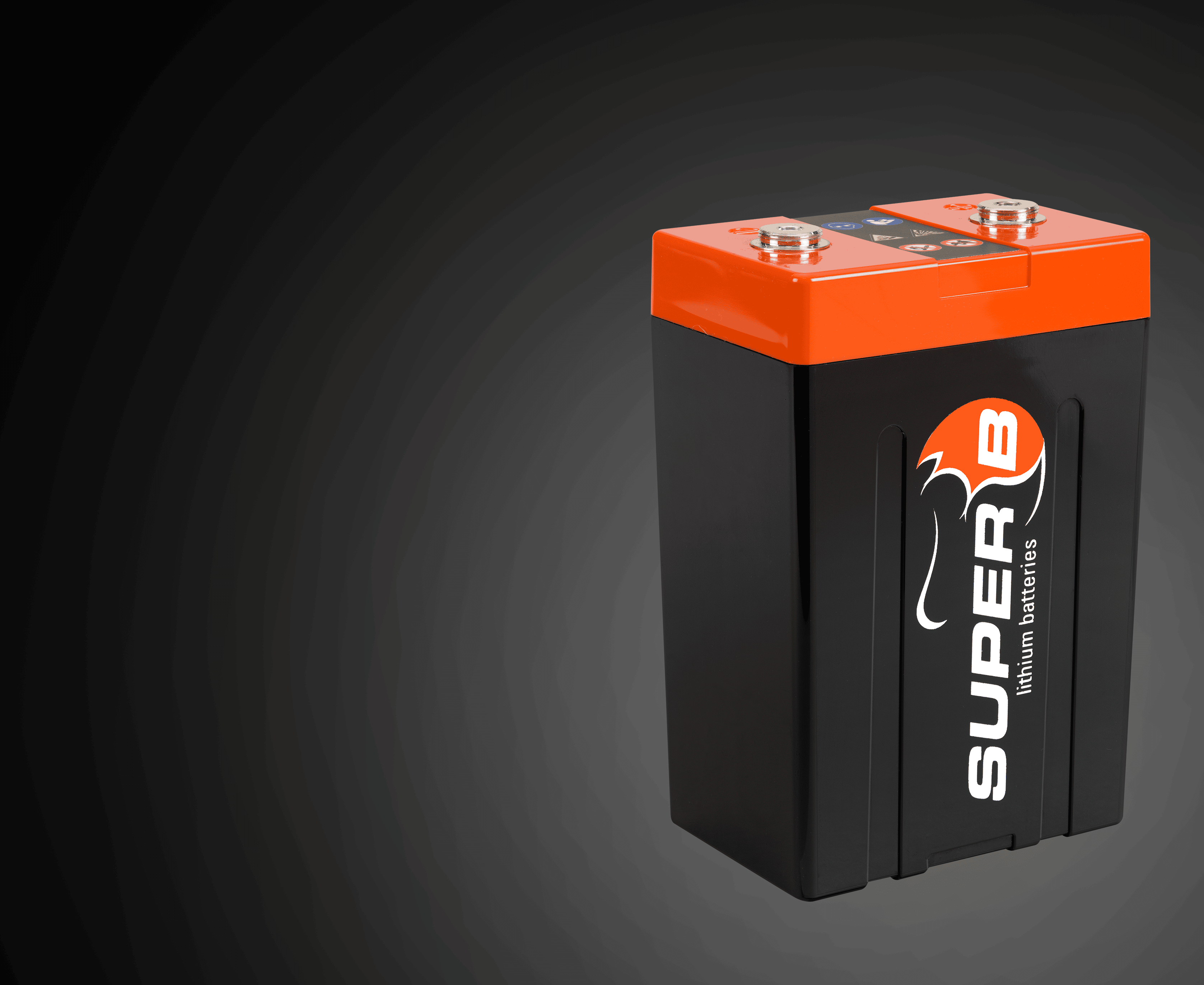
Pure performance with minimal weight. These batteries offer high cranking power and simple construction—perfect for competitive riders who prioritise every gram.

Includes an integrated Battery Management System for cell balancing and extra protection. A bit heavier but ideal for adventure rally bikes with more electronics or riders wanting plug‑and‑play safety.
Need Help Finding Your Battery?
Selecting the right battery involves matching engine size, electrical load and race format. Use our configurator to find the perfect fit by make, model and event type. Our support specialists can assist with:
- Choosing appropriate cranking current and capacity
- Advising on installation and safe mounting
- Recommending chargers and charging procedures
- Offering tips for storage and maintenance during the off‑season
In‑Depth Guide: F4 Batteries
Introduction: Why Formula 4 Needs Specialised Batteries
Formula 4 is all about speed, precision and consistency. Even the smallest component contributes to lap times. An F4 battery must start a high‑compression engine reliably, deliver continuous power to sophisticated electronics and data systems, and add as little weight as possible. Standard road‑car batteries are far too heavy and poorly suited to the demands of this environment. A purpose‑built F4 battery is both a performance upgrade and a necessity.
Understanding Cranking and Capacity
A battery’s ability to start the engine comes from its cranking amps. F4 engines—typically 1.4–1.6 litres—require around 200–350 A for a quick fire. Selecting a battery with sufficient cranking reserve ensures reliable starts even in cold conditions or after prolonged idle periods. Capacity (measured in amp‑hours) determines how long the battery can run electronics. F4 cars generally have minimal auxiliary loads, but sensors, telemetry and cooling systems draw continuous current. Choose a battery that offers enough capacity for your longest stints, plus a safety margin.
Weight and Balance
Every kilo saved translates to tenths per lap. Lithium batteries weigh a fraction of lead‑acid units. In Formula 4, this weight reduction lowers the centre of gravity and improves weight distribution, resulting in sharper handling and better tyre management. Battery placement also matters: positioning the battery low and centrally helps optimise balance. Some teams relocate the battery to achieve ideal front‑to‑rear ratios; this requires proper cabling, secure mounts and compliance with safety regulations.
Vibration and G‑Force Resistance
Formula cars experience high vibration and G‑loads, especially over kerbs, bumps and braking zones. Traditional batteries with internal plates can suffer plate separation or acid stratification. LiFePO₄ batteries use solid‑state cells and reinforced cases, making them more robust. They withstand the shocks and G‑loads typical of open‑wheel racing without internal damage, ensuring steady electrical output.
Charging and Maintenance
Time between sessions is often short. Lithium batteries can absorb high charge currents, allowing quick top‑ups between heats. They also have very low self‑discharge—around 2–3 % per month—so they remain ready after weeks of storage. For best results, use a charger designed for lithium or one with a LiFePO₄ setting. Charge fully before storage and disconnect any parasitic drains to maximise lifespan. With proper care, an F4 battery can deliver thousands of cycles and several seasons of racing.
Safety and Battery Management
LiFePO₄ chemistry is inherently safe, but proper management is still important. Batteries in the Mason series include an integrated BMS that monitors cell voltages and temperature, cutting off power if levels become unsafe. Andrena batteries omit the BMS to save weight; they require teams to manage cell balancing via compatible chargers. Regardless of model, ensure terminals are insulated and the battery is securely mounted to prevent movement during an impact.
Selecting Your F4 Battery
To choose the best battery for Formula 4:
- Engine Requirements – Confirm the cranking amperage needed for your engine. Select a battery with at least 20 % higher CCA.
- Electrical Load – Determine your car’s accessory load (data loggers, pumps). Choose capacity accordingly.
- Race Length – For sprint races, 5 Ah or 7.5 Ah may suffice. For longer events or hot weather, consider 10 Ah or 15 Ah.
- Weight vs. Safety – Decide if you need integrated BMS protection (Mason series) or prefer maximum weight savings (Andrena series).
- Installation & Regulations – Follow series regulations on battery mounting and isolation switches, and use quality cables and terminals.
Following these steps ensures you select a battery that delivers both performance and reliability on the F4 grid.
Frequently asked questions
Some frequently asked questions regarding batteries for SSV.
Most F4 engines require around 200–350 A. Choose a battery with at least 20 % higher cranking current to handle cold starts and recovery after spins.
Lithium batteries are significantly lighter, recharge faster, provide stable voltage under load, and have a much longer service life.
Yes, integrated battery management adds some weight, but it provides cell balancing and protection. Weight‑critical applications may prefer BMS‑free models with external management.
No. Use a charger designed for LiFePO₄ or one with a lithium mode. Using a charger intended for lead‑acid batteries can over‑charge or damage lithium cells.
With proper care, lithium F4 batteries often last 5–7 years and handle thousands of cycles. Their life far exceeds that of conventional batteries.
Yes. LiFePO₄ chemistry is non‑flammable, and models with BMS provide further protection against over‑charging and over‑discharging.
Not necessarily. Many teams leave the battery in the standard location but use lithium to save weight. Others relocate to improve weight distribution—ensure this complies with series regulations.
Yes, if the system’s current draw is low and race duration is short. For longer events or additional electronics, consider 7.5 Ah or higher.
Store at 50–70 % charge in a cool, dry place. Disconnect from the vehicle and periodically check voltage. Fully charge before the first race of the season.
For serious racers, absolutely. Weight reduction, consistent performance and extended life make lithium batteries a cost‑effective upgrade over their lifespan.
Ready to Gain an Advantage on the Grid?
Legal Notice: Super B starter batteries are designed for motorsport and competition use only. These batteries are not approved for use on public roads. Always consult with Super B or an authorized dealer regarding proper application for circuit racing and motorsport use.


