
Challenger Rally Batteries
Maximum power, uncompromising durability. Engineered for T3 prototypes and high‑performance side‑by‑sides in rally raid.

Why Standard Batteries Fail in Challenger‑Class Rally
In a Challenger‑class rally machine, every component is pushed to the limit. Traditional batteries are too heavy, overheat in tight engine bays and lose voltage under sustained loads. They can’t handle the pounding of desert tracks or the rapid restarts needed after a crash or checkpoint stop. When lights, fans, winches and navigation units draw continuous current, their voltage drops and reliability fades. These failures slow you down and jeopardise your race.
Purpose‑Built Lithium Power

Race‑Ready Cranking Power
Delivers powerful bursts to fire high‑boost, turbocharged engines instantly—critical for quick recovery in competitive stages.

Stable, Consistent Voltage
Maintains a flat discharge curve, keeping ECUs, pumps and electronics running at peak performance all day.

Deep Capacity for Long Stages
Holds enough energy to power fans, auxiliary lights, GPS, radios and air jacks through marathon legs without sagging.

Lightweight & Compact
Up to 70 % lighter than lead‑acid batteries, lowering centre of gravity and improving handling in technical terrain.

Safe & Maintenance‑Free
LiFePO₄ chemistry is thermally stable and non‑spill. Optional BMS models balance cells and protect against over‑charge and deep discharge.

Shock & Vibration Resistant
Reinforced casings and solid‑state cells resist 20–50 g shocks, hard landings and continuous vibration on washboard roads.

Fast Recharge & Low Self‑Discharge
Recharges fully in an hour during service intervals and retains charge during long transport or storage periods.

Extended Service Life
Thousands of cycles deliver seasons of racing without frequent replacements, saving money and downtime.
The Right Battery for Your Challenger Rally Car
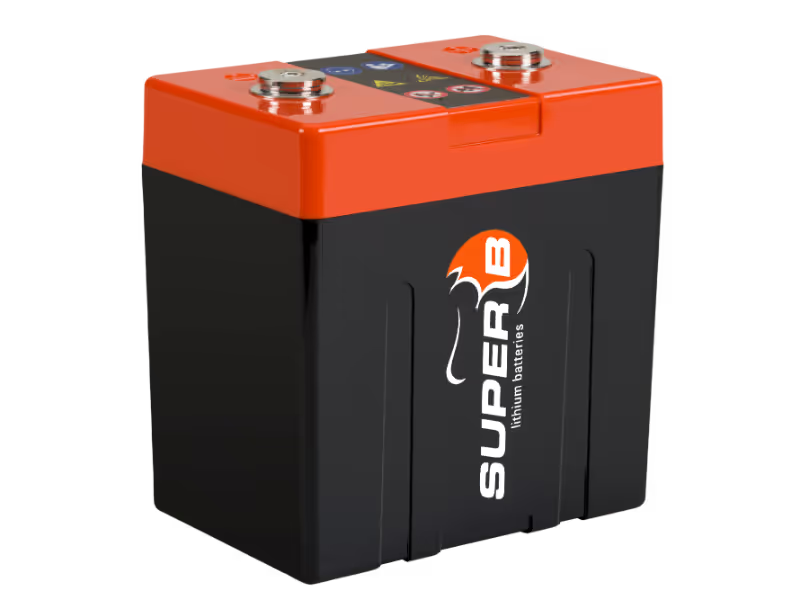
Andrena 12 V 25 Ah
Maximum capacity for larger 1.5–2.0 L engines and full‑spec prototypes with extensive electrical equipment. Ideal for long stages and night runs.
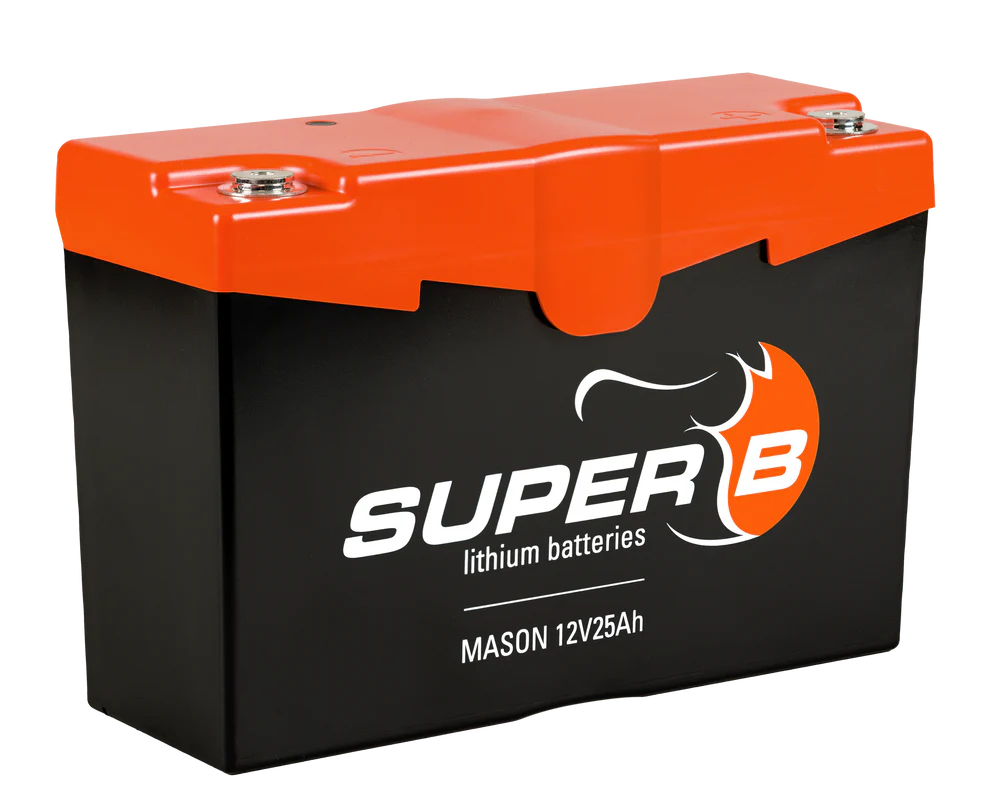
mason 12v20ah (with BMS)
Offers the same power as the Andrena 20 Ah but with integrated BMS for cell balancing and added protection. Ideal for teams prioritising safety and deep‑discharge resilience.
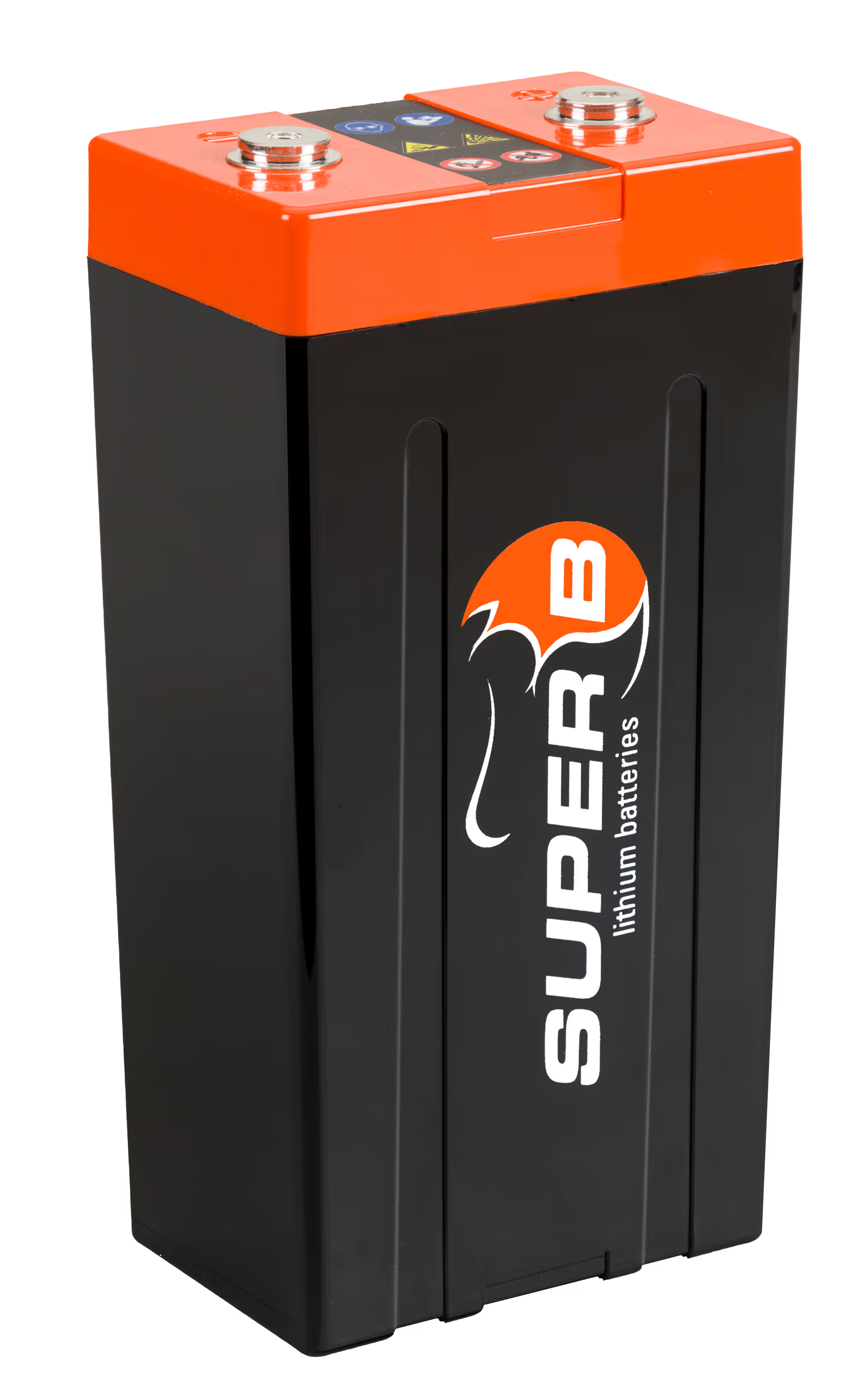
Andrena 12V20Ah
Designed for turbocharged 1.0–1.3 L prototypes and performance SSVs. High cranking power with ample reserve for lights and fans.
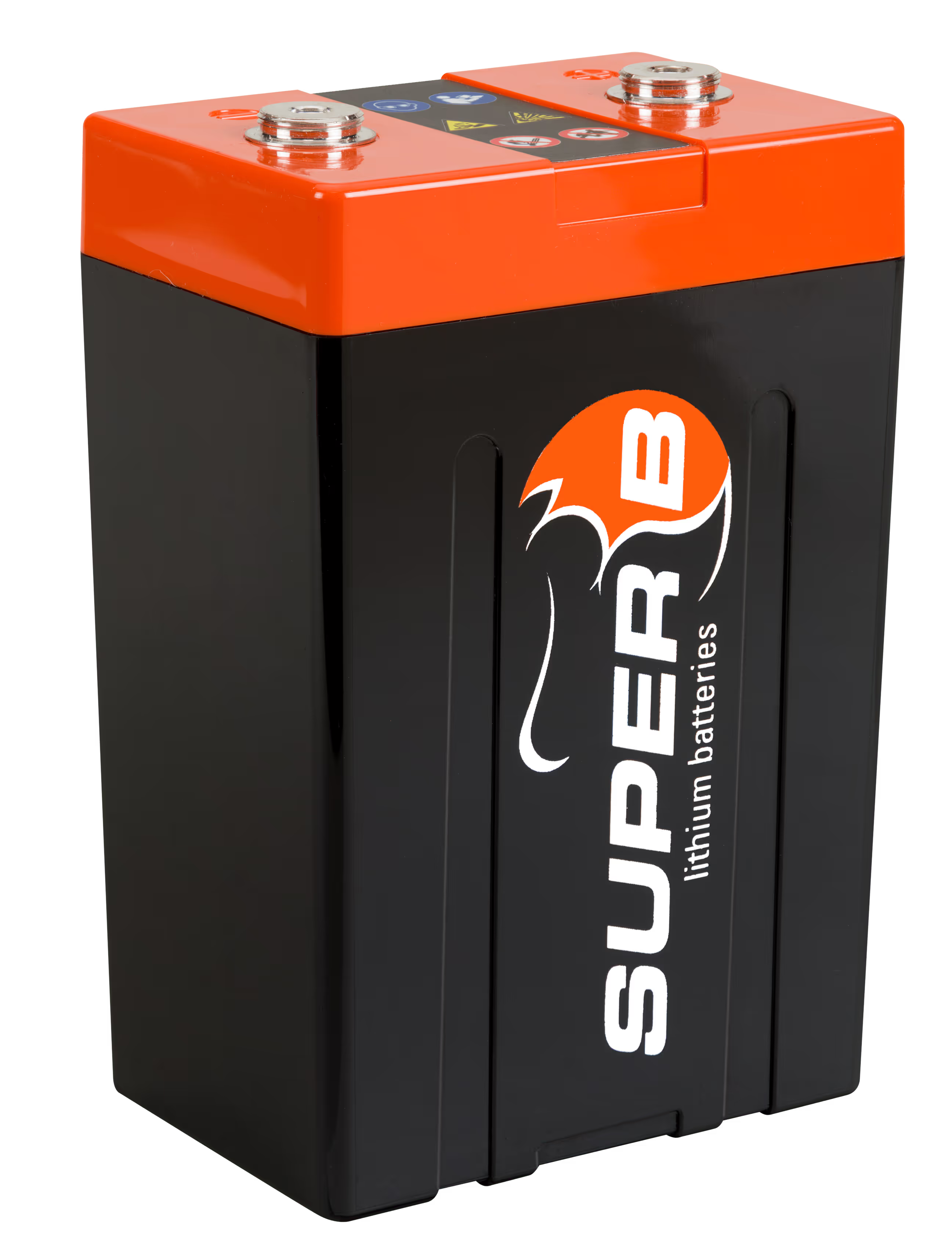
Mason 12 V 25 Ah (with BMS)
High‑endurance battery with BMS and large reserve capacity. Perfect for multi‑day rally raids and vehicles running power steering, winches and air jacks.
Lithium Technology for Challenger Rally
Buy nowChallenger‑class rally cars use high‑revving engines and advanced electronics. Standard lead‑acid batteries are heavy, lose voltage quickly and wear out under vibration. Lithium Iron Phosphate (LiFePO₄) batteries solve these problems:
- Energy Density – LiFePO₄ batteries store more energy per kilogram, letting you reduce weight without reducing power.
- Voltage Stability – Provides consistent voltage under load, critical for fuel injection, ignition, power steering and cooling systems.
- Deep Discharge – Maintains performance even when discharged deeply, so you can run lights, GPS and fans without worrying about starts.
- Rapid Charge Acceptance – Absorbs high current quickly, meaning shorter recharge times during service stops.
- Shock and Temperature Resistance – Built to withstand the extreme G‑forces, heat and vibration of rally raid stages.
- Safety – Non‑flammable LiFePO₄ chemistry combined with optional BMS ensures safe charging and discharging.
Trusted by top Challenger‑class teams
✓ Proven in Dakar, Morocco Desert Challenge and other cross‑country rally raids
✓ Withstands constant vibration, dust and extreme temperatures
✓ Keeps fans, pumps and navigation equipment running without voltage dips
✓ Endorsed by mechanics for easy installation and weight reduction

"We switched to a lithium Challenger battery and gained both reliability and performance. Starts are immediate, voltage stays solid through the longest stages, and we shaved kilos off the front. It’s a no‑brainer upgrade."
Rally Raid Team Manager

Certifications & Warranty
✓ Made in Europe (Netherlands)
✓ ISO 9001 Certified
✓ Safe LiFePO₄ / Li-ion Chemistry
✓ UN38.3 Transport Approved
✓ Reinforced enduro-grade casings
✓ 3-Year Manufacturer Warranty
Why Choose Our Batteries?
Our Challenger rally batteries are designed and assembled in Europe. We use high‑quality LiFePO₄ cells, robust cases and advanced manufacturing techniques to ensure outstanding performance and safety. Every battery is tested under extreme vibration, heat and shock before it reaches you. We back our products with a comprehensive warranty and provide expert support to help you choose, install and maintain your battery.
Trusted by riders who refuse to carry unnecessary weight or accept inconsistent support.
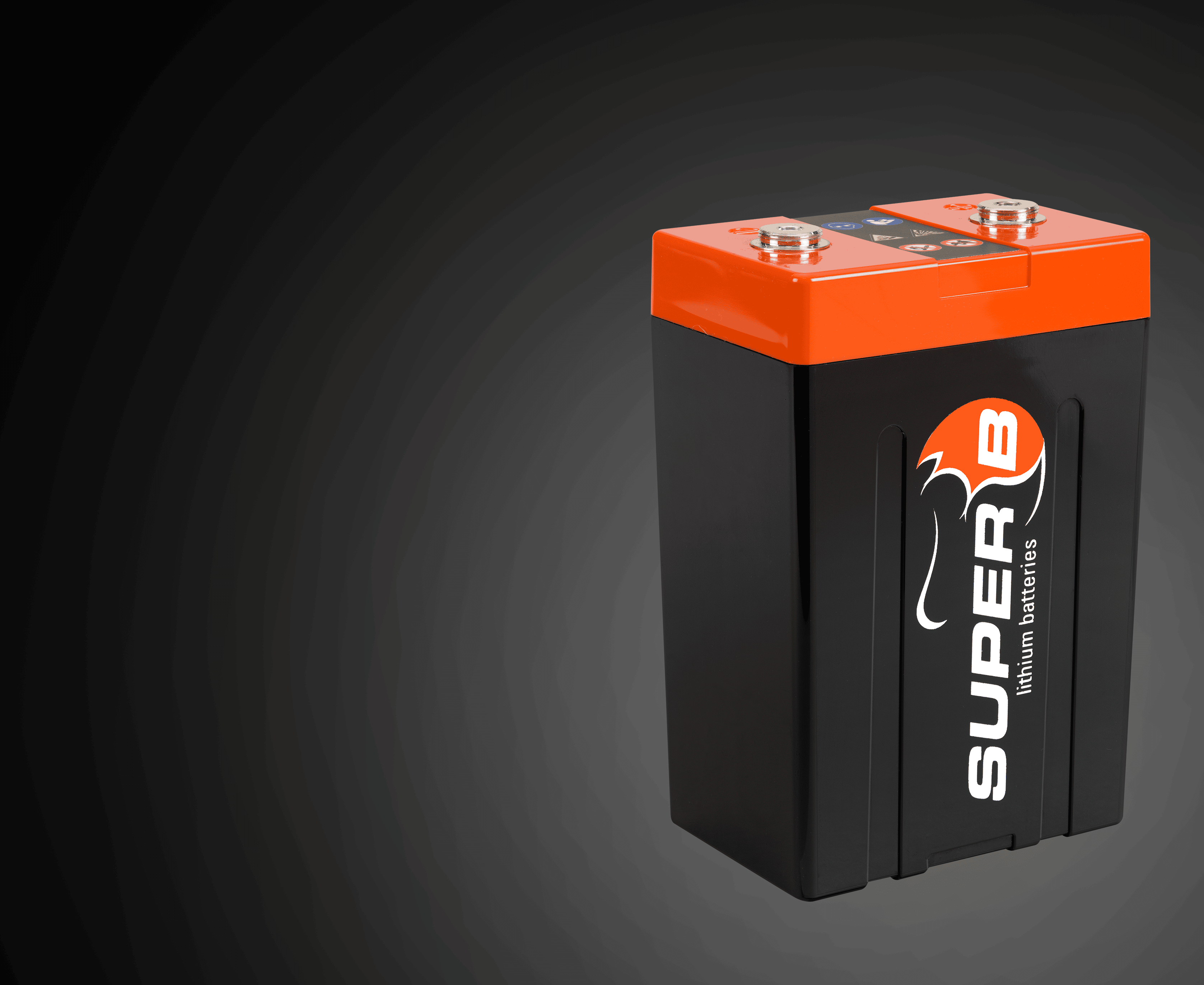
Maximum performance and minimal weight. Designed for racers who want pure cranking power with no built‑in BMS. Use with a compatible charger and monitoring routine for optimal performance.

Includes an integrated Battery Management System for cell protection and balancing. Slightly heavier but ideal for rally raids and long‑distance events where safety and deep-cycle resilience are paramount.
Need Help Finding Your Battery?
Need help selecting the right Challenger battery? Use our configurator to search by engine size, electrical load and vehicle type. We provide personalised advice on:
- CCA requirements for various engines
- Capacity recommendations for accessory loads and stage lengths
- Safe mounting and relocation to optimise weight distribution
- Compatible chargers and maintenance tips
In‑Depth Guide: Challenger Rally Batteries
Introduction: What Makes the Challenger Class Special?
The Challenger category (also known as T3 light prototypes) bridges the gap between traditional side‑by‑sides and full‑spec prototype cars. They feature high‑performance turbo engines, sophisticated suspension and advanced navigation and communication systems. Races span hundreds of kilometres over dunes, rocks and piste, demanding reliability and endurance from every component—including the battery.
Power Demands and Cranking Requirements
Challenger engines often range from 1.0–2.0 L turbocharged units, producing high compression and requiring strong cranking current. Batteries must deliver quick bursts of 400–800 A to turn over the engine, especially after stalling in deep sand or following a prolonged liaison. Lithium batteries provide this power with less internal resistance and weight.
Accessory Loads and Reserve Capacity
A Challenger rally car may run electric power steering, brake fans, intercooler sprayers, navigation screens, telematics, radios and air jacks. These accessories draw continuous current over long stages. When selecting a battery, add up your accessory loads and choose one with enough amp‑hours to run them without dropping below starting voltage. For heavy accessory use, consider 25 Ah or higher.
Weight and Vehicle Dynamics
Weight reduction is vital for performance and handling. Lithium batteries weigh up to 70 % less than lead‑acid units, improving acceleration, braking and responsiveness. Lower weight reduces stress on suspension components and helps the car glide over rough sections. Proper battery placement (low and central) further optimises weight distribution.
Durability in Harsh Environments
Challenger vehicles face intense vibration, G‑forces and thermal stress. Traditional batteries suffer plate damage and acid leakage. LiFePO₄ batteries are solid‑state and encased in rugged housings, resisting shocks up to 50 g and operating reliably between −20 °C and +60 °C. Their resistance to heat ensures they continue to perform even in scorching desert temperatures.
Charging and Maintenance
Service points in rally raid are brief. Lithium batteries accept high charge currents and can reach 80–90 % state of charge in 30–60 minutes. They also retain their charge during transport and storage with minimal self‑discharge. Use a charger compatible with LiFePO₄ chemistry to ensure safe, rapid charging. Store batteries at 50–70 % charge in a cool, dry place between events.
Safety and Battery Management
Although LiFePO₄ chemistry is inherently safer than other lithium chemistries, proper management is still critical. Batteries with an integrated BMS monitor individual cell voltages and temperatures, balancing cells during charging and disconnecting the battery if conditions become unsafe. For weight‑sensitive teams, BMS‑free batteries require careful charging and monitoring but save a few hundred grams.
Selecting Your Battery: Step‑by‑Step
- Engine Requirements: Determine the cold‑cranking amps needed to start your engine. Select a battery with at least 20 % more than this requirement.
- Accessory Loads: Calculate the total continuous current draw from all electrical systems (lights, fans, pumps, navigation).
- Stage Duration: Estimate how long you’ll need to run on battery power (including liaisons).
- Weight vs. Safety: Decide whether integrated BMS protection or maximum weight savings is more important.
- Installation: Choose a battery size and form factor that fits your compartment and meets regulatory requirements.
By following these steps, you’ll ensure the battery provides reliable starts, supports all accessories and lasts through the toughest stages.
Frequently asked questions
Some frequently asked questions regarding lithium batteries.
Challenger batteries are designed for more powerful engines and heavier accessory loads found in prototype‑level vehicles. They provide higher cranking power and greater reserve capacity.
Most Challenger engines require 400–800 A. Choose a battery with at least a 20 % margin above the manufacturer’s recommended CCA.
A BMS adds safety and cell balancing. It’s beneficial for long stages or remote events. Weight‑conscious teams may opt for BMS‑free models but must use lithium‑compatible chargers and monitor cell voltages.
With proper care, lithium Challenger batteries typically last 5–10 years and thousands of cycles—much longer than lead‑acid or AGM units.
No. Always use a charger designed for LiFePO₄ batteries or one with a lithium mode. Traditional chargers can over‑charge or damage lithium cells.
Yes. Lower weight improves acceleration, handling and braking. Steady voltage ensures electronic systems perform reliably, reducing the risk of misfires or sensor glitches.
Disconnect the battery, charge it to 50–70 %, and store it in a cool (10–25 °C), dry place. Check voltage every few months and recharge if it drops below 12.8 V.
LiFePO₄ chemistry is non‑flammable. Our batteries use robust cases and, on Mason models, integrated BMS to provide additional safety and protection.
Our batteries can run total‑loss systems. Ensure your battery’s capacity matches the total current draw for the duration of each stage. Use a charger to replenish between stages.
Yes. LiFePO₄ batteries are sealed and non‑spillable. They can be mounted horizontally or vertically. Just ensure the terminals are secure and protected.
Ready to Conquer the Desert?
Legal Notice: Super B starter batteries are designed for motorsport and competition use only. These batteries are not approved for use on public roads. Always consult with Super B or an authorized dealer regarding proper application for circuit racing and motorsport use.


