
ATV Batteries
Strong cranking, long‑lasting power. Built to handle rough trails, heavy loads and harsh weather.

Why Stock ATV Batteries Fail
Off‑the‑shelf ATV batteries are heavy, underpowered and struggle in extreme conditions. They suffer voltage drop under load, can’t handle winches or light bars for long, and often need replacement after just a couple of seasons.
Worse, they frequently fail to start big‑bore engines in cold weather, leaving you stranded at the trailhead. That’s no way to spend your day in the woods or on the farm.
Important: These batteries are designed for UTV and off-road applications. Always check voltage, CCA and compatibility before installation.
Why Upgrade to Our Lithium ATV Batteries

High Cranking Power
Get immediate starts on cold mornings and after winch pulls. These batteries deliver the high amperage needed for large‑displacement ATVs and repeated restarts.

Reliable Starts, Every Time
No more hesitating or multiple attempts. Consistent voltage ensures quick ignition even when accessories are running.

Lightweight but Capable
Up to 50–70% lighter than lead‑acid packs, improving handling and reducing stress on suspension without compromising capacity.

Long‑Cycle Life
Designed for thousands of cycles and years of service, far surpassing the typical 300–500 cycle lifespan of conventional batteries.

Deep Capacity for Accessories
Enough reserve to power winches, heated grips, GPS units and light bars without voltage sag.

Vibration‑Proof and Weather‑Sealed
Ruggedized internal structure and IP‑rated enclosures withstand 20–50 g shocks, mud, dust, and water crossings.

Low Self‑Discharge & Fast Charging
Hold charge over months of storage and recharge in an hour or two, perfect for seasonal vehicles and emergency readiness.
The Right Battery for Your aTV
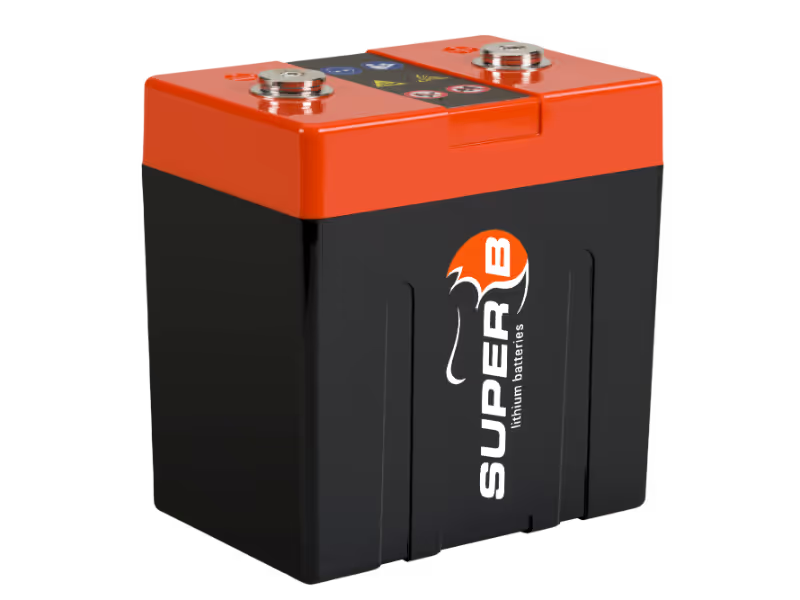
Andrena 12v10ah
Balanced power and capacity for mid‑size engines (500–700 cc) that run additional lights or a winch occasionally.
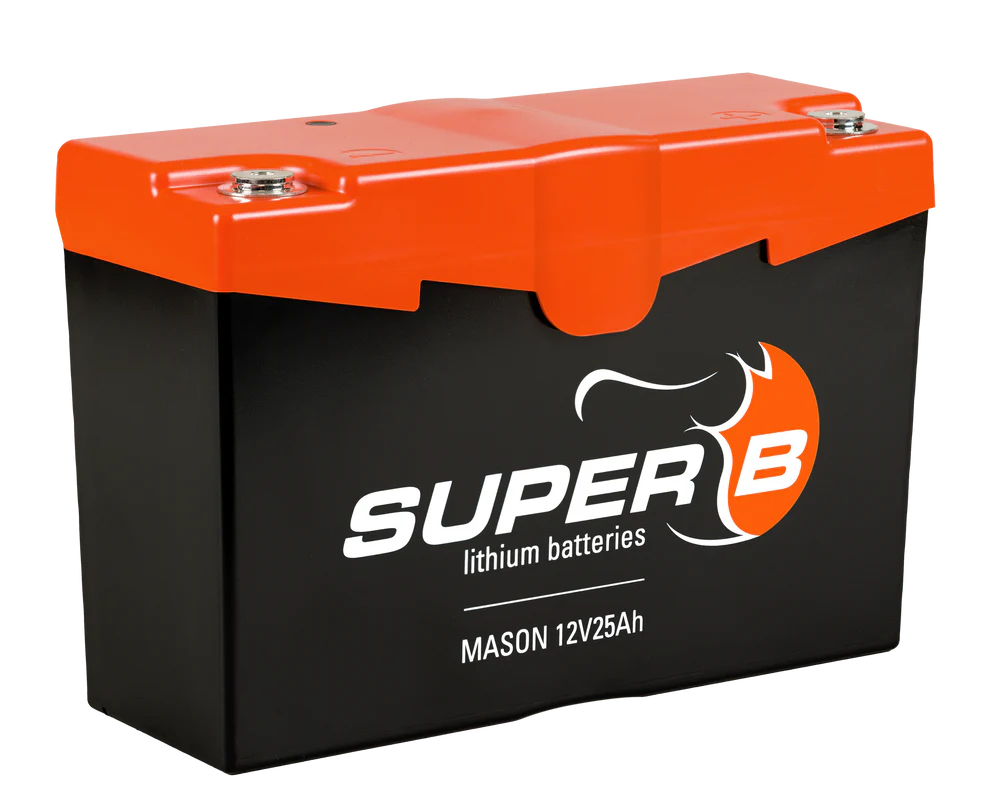
mason 12v20ah
For utility and work ATVs that demand maximum capacity, integrated BMS safety and support for accessories like plows, sprayers or high‑draw winches.
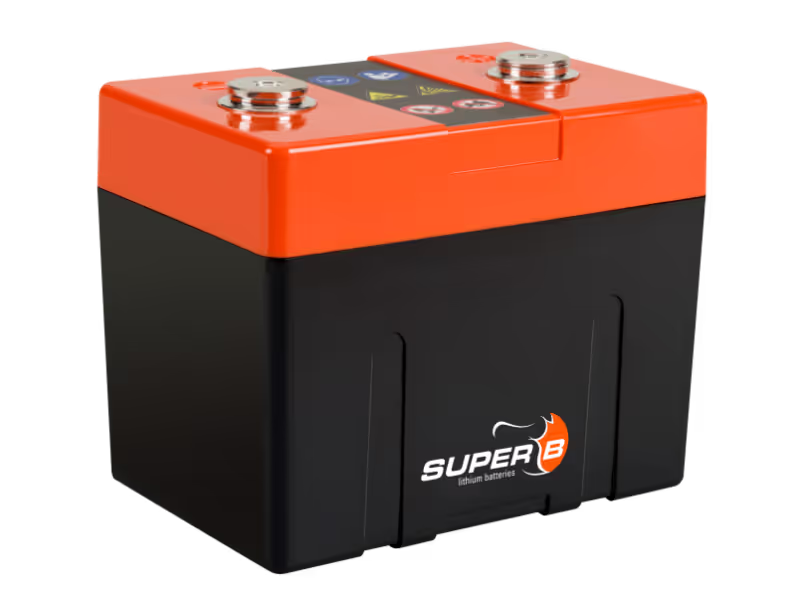
andrena 12v7.5ah
Ideal for small to mid‑size ATVs up to ~500 cc. Lightweight and high‑cranking, perfect for trail riding and recreational quads.
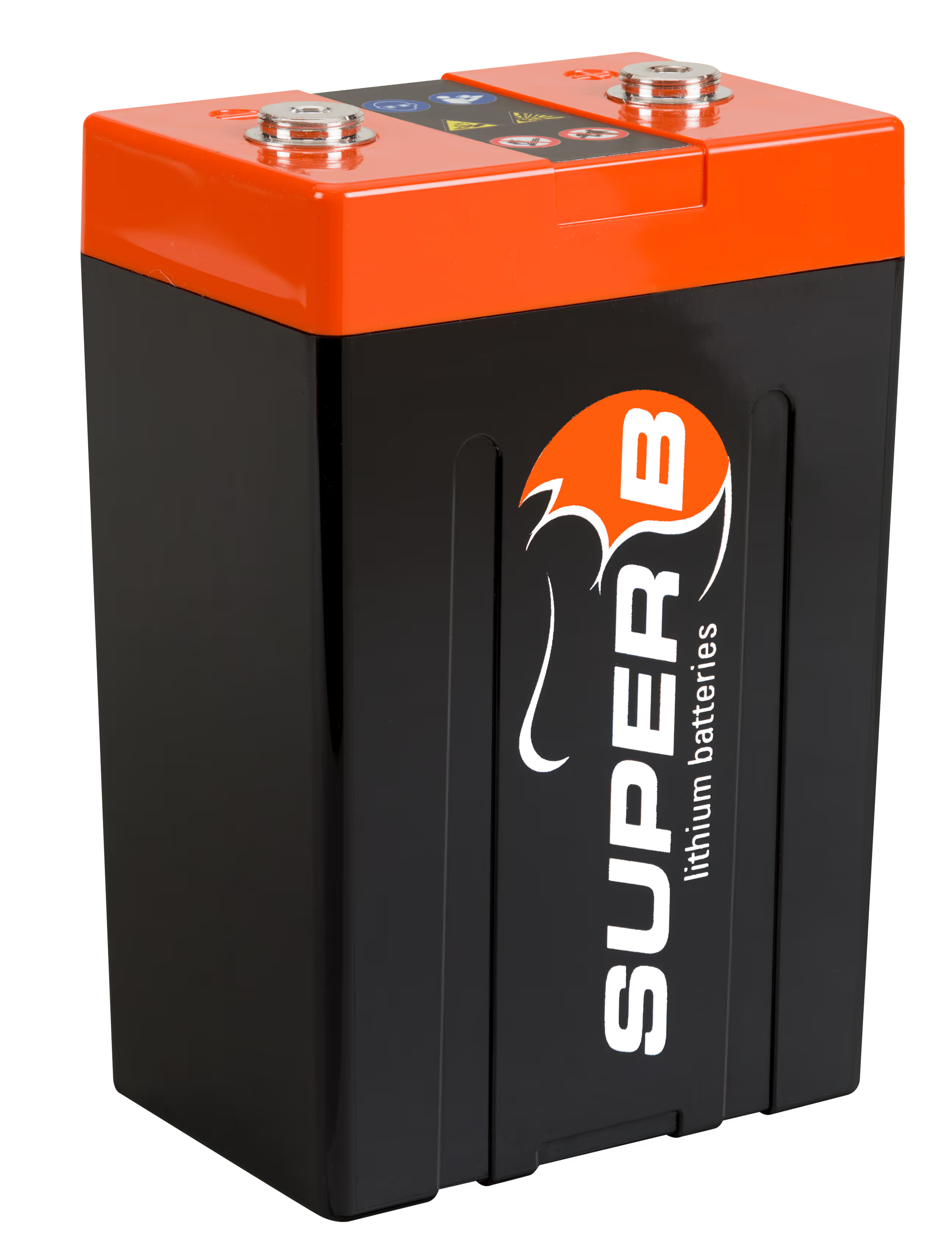
andrena 12v15ah
Extra reserve and cranking current for larger engines (700–1000 cc) or ATVs with frequent winch use. Delivers confidence on long excursions.
Lithium vs Conventional ATV Batteries
Buy nowATVs demand more from a battery than most vehicles. Large engines need hundreds of amps to start, accessories draw power continuously, and the entire system endures severe vibration and environmental extremes. Conventional lead‑acid batteries struggle because they’re heavy, prone to voltage drop and have limited cycle life. Lithium batteries solve these problems:
- High CCA: Lithium packs supply the 400–800 A pulses required to start big‑bore engines reliably, even at low temperatures.
- Weight Savings: A 20 Ah lithium battery weighs roughly 2.5 kg versus 7 kg for an equivalent sealed lead‑acid unit.
- Longer Lifespan: LiFePO₄ chemistry offers 2 000–4 000 cycles—multiple times the lifespan of lead‑acid—often lasting 5–10 years in real use.
- Deep Capacity: Lithium batteries maintain ≥80% capacity after 200+ deep cycles, supporting winches and accessories without sag.
- Rapid Charging & Low Self‑Discharge: They can be recharged to full in 30–60 minutes and lose less than 3% charge per month.
- Enhanced Safety & Stability: LiFePO₄ cells have higher thermal stability (~270 °C) than other lithium chemistries and include protective BMS circuits.
- Superior Vibration Resistance: Ruggedized cells and reinforced housings withstand 20–50 g shocks typical on ATV trails.
- Environmental Resilience: IP‑rated enclosures protect against water and dust; LiFePO₄ operates reliably from −20 °C to +60 °C.
Proven in Demanding Off-Road Conditions
Trusted by riders, ranchers and outdoor professionals worldwide:
✓ Battle‑tested in mud bogs, mountain trails and desert races
✓ Proven reliability under continuous vibration and harsh shocks
✓ Endorsed by ATV tour operators and mechanics for consistent starts and long service life
✓ Used by farms and forestry crews for equipment that must start every time

“I’ve been racing with the same battery for three years. It fires up the big 850 every time, and I’ve yet to top it up after storage.”
ATV Rider

Certifications & Warranty
✓ Made in Europe (Netherlands)
✓ ISO 9001 Certified
✓ Safe LiFePO₄ / Li-ion Chemistry
✓ UN38.3 Transport Approved
✓ Reinforced enduro-grade casings
✓ 3-Year Manufacturer Warranty
Why Choose Our Batteries?
Our lithium ATV batteries are engineered in Europe to deliver unmatched performance and reliability. We use high‑quality LiFePO₄ cells, robust casings and smart Battery Management Systems to ensure safe operation in any conditions. With ISO‑certified manufacturing and extensive testing, we provide batteries that perform consistently and last longer. We back our products with multi‑year warranties and professional support.
Trusted by riders who demand reliable starts and consistent power.
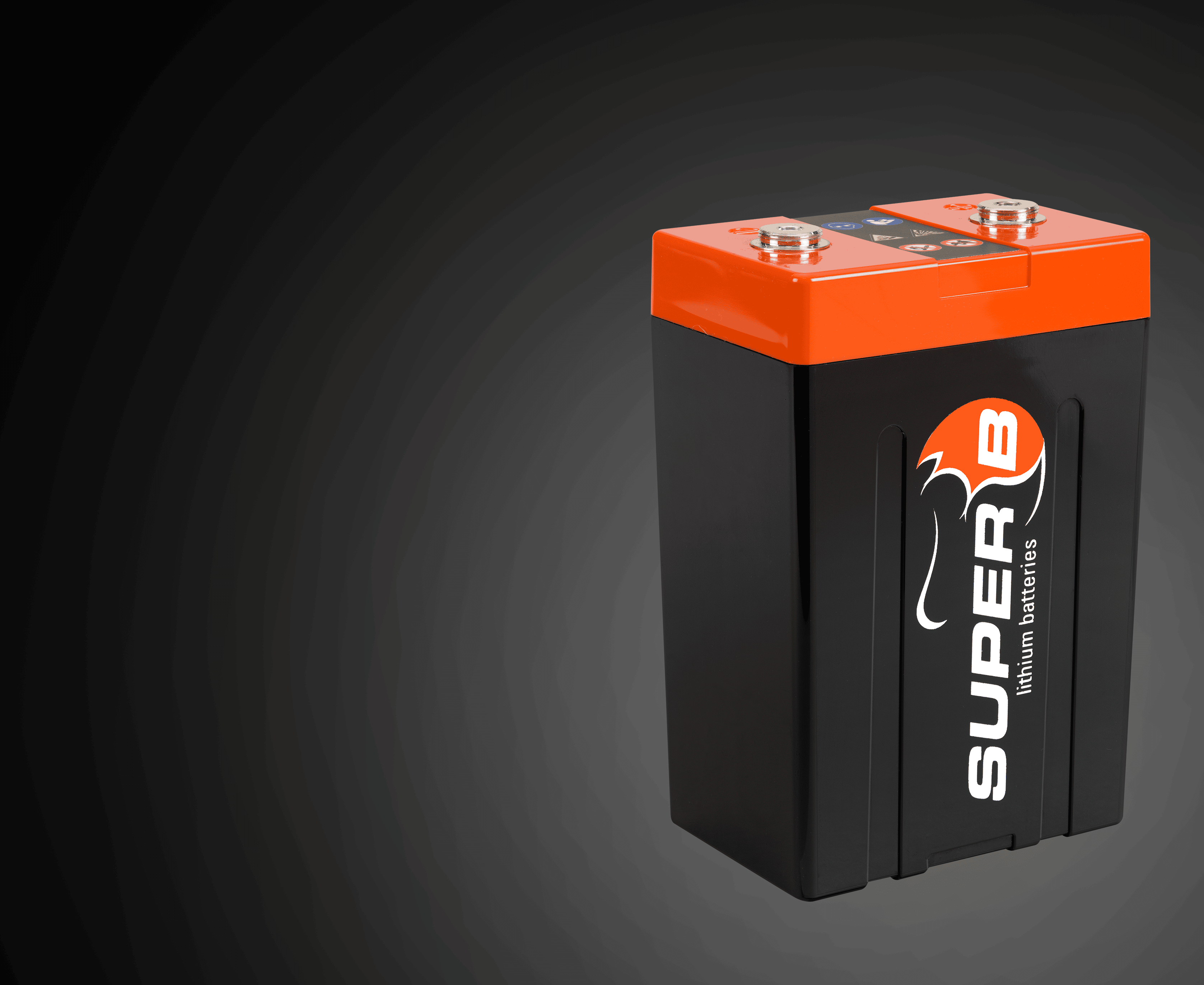
Designed for performance‑oriented ATVs. These batteries focus on high power‑to‑weight ratio with minimal packaging. Ideal for recreational riders and racers who want maximum cranking power and agility.

Adds integrated BMS and higher capacity for heavy‑duty ATVs and utility machines. Best for riders who use winches, plows or other high‑draw accessories and need extra safety features. Slightly heavier but offers more deep‑cycle reserve.
Need Help Finding Your Battery?
Not sure which battery fits your ATV? Use our configurator to select by make, model and engine size. Our support team can help with:
- Determining appropriate CCA and capacity for your engine and accessories
- Advising on BMS requirements and installation
- Providing fitment diagrams and mounting hardware recommendations
- Explaining charging procedures and storage tips
In-Depth Guide: utv batteries
ATVs are built for one purpose: to tackle rough terrain while carrying riders, tools, and gear through mud, snow, and everything in between. This versatility comes at a cost to the electrical system. A proper ATV battery must not only start a big‑bore engine reliably but also power winches, lights, heaters, and navigation equipment. It has to survive constant vibration, wide temperature swings and long storage periods. In this guide, we explore the technology behind ATV batteries, why lithium has become the go‑to upgrade and how to choose the right battery for your machine.
Understanding ATV Electrical Demands
Unlike motorcycles that typically rely on the battery only for starting, ATVs frequently run a wide range of accessories. A plow requires a high‑draw winch; heated grips and seats draw continuous current in cold weather; lighting kits and GPS units need steady voltage. This places a heavy burden on the battery and charging system, especially at low engine speeds. The battery must deliver high cranking amps and maintain voltage when loaded, without sagging or overheating.
Why CCA Matters Even More on Four Wheels
Cold Cranking Amps (CCA) indicate how much current a battery can supply for 30 seconds at 0 °F without dropping below 7.2 V. Large ATV engines (500–1000 cc) often require 400–800 A to turn over, and some machines with aftermarket exhausts or high compression kits need even more. A lead‑acid battery may advertise high CCA but tends to lose capacity quickly after a few deep cycles or cold starts. High‑quality lithium batteries maintain strong cranking power over thousands of cycles, ensuring that your ATV will start quickly on cold mornings or after multiple restarts on the trail.
Balancing Weight and Capacity
Weight is important in ATVs but less critical than in motocross bikes. A lighter battery still helps handling and reduces strain on the frame and suspension, but capacity becomes more important because ATVs run more electronics. Lithium batteries achieve the best of both worlds: they weigh significantly less than lead‑acid yet offer higher usable capacity. A 20 Ah LiFePO₄ battery weighs around 2.5 kg compared to roughly 7 kg for a sealed lead‑acid equivalent. The energy density of 90–110 Wh/kg means you have ample reserve for winches and lights without carrying unnecessary mass.
Cycle Life, Cost and Longevity
An ATV battery is an investment that should last several seasons. Lead‑acid batteries typically offer 300–500 cycles and often need replacement every one to three years, especially in harsh climates. LiFePO₄ batteries routinely provide 2 000–4 000 cycles and can last five to ten years when properly maintained. Though the upfront cost is higher, the longer lifespan and reduced maintenance make lithium batteries more cost‑effective over time. They also maintain their capacity better: even after 200 deep discharge cycles, a quality lithium pack can still hold 80% of its original capacity, which is crucial for long trips or repeated winching.
Vibration, Shock and Environmental Resistance
ATVs operate in conditions that would destroy ordinary batteries. Trails can deliver up to 50 g of shock when hitting rocks or ruts. Lead plates in traditional batteries can crack or sulfation can loosen internal elements, leading to sudden failure. Lithium cells are rigid, potted in shock‑absorbing materials and enclosed in strong housings, making them far more resistant to vibration. Many LiFePO₄ batteries are IP‑rated to IP67, meaning they are sealed against dust and can survive immersion in up to a meter of water. They continue working in temperatures ranging from −20 °C to +60 °C, which covers most real‑world riding conditions.
Capacity for Accessories and Winching
One of the biggest advantages of lithium batteries is their ability to provide deep capacity without voltage sag. When powering a winch or high‑draw lights, a battery may deliver a continuous current of 50–100 A. Lead‑acid batteries experience rapid voltage drop under such load, limiting their usefulness and potentially damaging electrical systems. A 12 V, 30 Ah LiFePO₄ battery can provide around 360 Wh of energy, enough to power a 600 W load for 20 minutes while maintaining stable voltage. Even after several deep discharge cycles, the battery still retains most of its capacity.
BMS and Safety Considerations
Safety is paramount when dealing with high currents and energy storage. Modern lithium ATV batteries include Battery Management Systems that monitor individual cell voltages, current flow and temperature. They prevent over‑charging, over‑discharging and short circuits. Some packs also include thermal protection and internal heating elements for cold‑weather performance. For riders who choose a minimal BMS design to save weight, using a lithium‑compatible charger and following recommended charging procedures are essential.
How to Choose the Right ATV Battery
Choosing the correct battery means balancing engine size, accessory load and riding style:
- Engine Size: Smaller ATVs (<500 cc) typically need 7.5–10 Ah batteries with high CCA. Larger engines require 15–20 Ah or more to supply sufficient starting current.
- Accessory Use: If you run a winch, heated grips or light bars often, select a battery with higher amp‑hour capacity to maintain voltage during continuous draws.
- Riding Environment: Cold climates and high altitudes demand batteries with higher CCA and perhaps integrated heating. Wet or dusty environments benefit from IP‑rated cases and sealed terminals.
- Weight vs. Capacity Trade‑Off: Sport riders may prioritise weight savings, whereas utility riders may accept extra weight for longer run time and more reserve.
By matching these factors to the correct lithium battery, you ensure strong starts, reliable accessory power and long service life.
Frequently asked questions
Some frequently asked questions regarding batteries for ATV's.
Most ATVs require between 400 A and 800 A depending on engine displacement and compression. Check your owner’s manual or consult our support team for a specific recommendation.
This depends on the application. A Battery Management System protects the battery and your electrical system from over‑charge, over‑discharge and overheating. Race‑focused lightweight batteries may omit a BMS, but they require careful charging and monitoring.
Yes. Quality LiFePO₄ batteries operate from −20 °C to +60 °C, making them suitable for winter plowing and summer trail riding alike. In extreme cold, some models offer internal heating or recommend pre‑warming before starting.
With proper charging and maintenance, expect 5–10 years and 2 000–4 000 cycles. They far outlast conventional batteries.
Lithium batteries are maintenance‑free. There’s no electrolyte to top up and no corrosion. Store them partially charged (around 50–60%) if unused for extended periods and use a charger with a lithium profile.
A lighter battery reduces overall weight, which can marginally improve acceleration and handling. The greater benefit is reliable starting and consistent power for accessories.
LiFePO₄ chemistry is stable and considered one of the safest lithium types. Built‑in BMS protections ensure the battery operates within safe parameters. Always follow manufacturer guidelines for installation and charging.
Yes, most lithium ATV batteries are designed as drop‑in replacements. However, always verify the terminal orientation and ensure that cable connections are secure. For batteries with integrated BMS, follow the recommended wake‑up procedure if required.
Ready to Upgrade Your atv?
Legal Notice: Super B starter batteries are designed for motorsport and competition use only. These batteries are not approved for use on public roads. Always consult with Super B or an authorized dealer regarding proper application for circuit racing and motorsport use.


